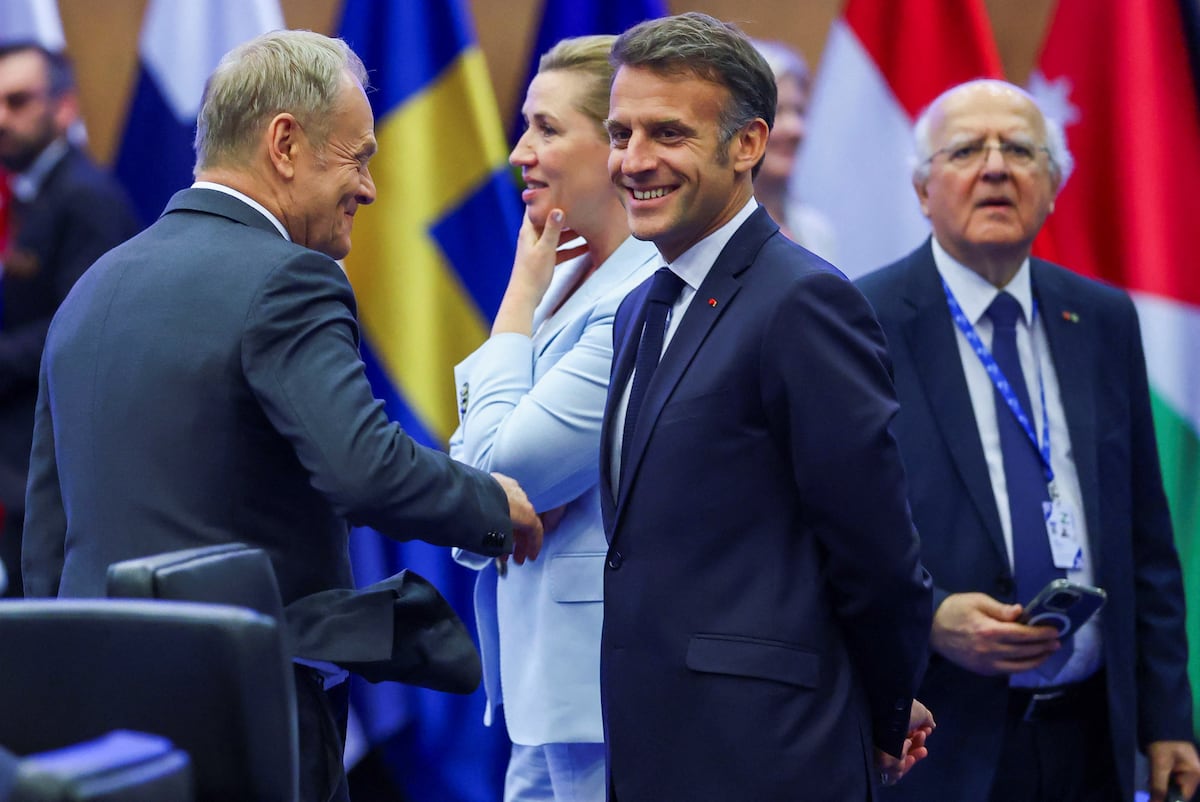
Brussels is experiencing a palpable sense of relief following the departure of Hungarian Prime Minister Viktor Orbán from the European Union’s decision-making arena, marking a significant shift in the bloc’s dynamics after years of obstruction. His absence from recent EU summits has allowed long-stalled decisions on Ukraine support and sanctions against Russia to finally move forward, according to multiple verified reports from the ongoing diplomatic gatherings in Cyprus.
The change comes after Orbán suffered a decisive defeat in Hungary’s national elections held earlier in April 2026, ending his 16-year tenure as prime minister. Although he remains in a caretaker capacity until his successor takes office in May, Orbán did not attend the informal European Council meeting in Cyprus on April 23-24, 2026, where key decisions were made regarding Ukraine’s financial support and European security.
During the summit, EU leaders successfully adopted a €90 billion loan package for Ukraine, a move that had been repeatedly blocked by Hungary’s veto under Orbán’s leadership. The loan approval was described as historic by participating officials, who noted that the path forward had been cleared only after the Hungarian election results removed Budapest’s obstruction.
Ukrainian President Volodymyr Zelenskyy attended the summit in person and directly addressed concerns about proposals for a symbolic form of EU membership for his country. Speaking to reporters via WhatsApp, Zelenskyy rejected the idea outright, stating: “Ukraine does not need symbolic membership in the EU. Ukraine is defending itself and is definitely defending Europe. And We see not defending Europe symbolically – people are really dying.” He emphasized that Ukraine’s sole request was for full membership with a clear start date, not a honorary status.
The discussions likewise included the formal opening of accession “clusters” for Ukraine, which are thematic groupings of negotiation chapters required in the EU membership process. Zelenskyy argued that Kyiv had met the necessary conditions to begin these talks, a position supported by several member states who viewed Orbán’s absence as removing a key obstacle to progress.
In addition to the financial package, the council approved a modern round of sanctions against Russia during the same session, another decision that had previously faced resistance from Budapest. Officials noted that the combination of measures represented a significant strengthening of the EU’s position regarding both Ukrainian support and pressure on Moscow.
Estonian Prime Minister Kristen Michal commented on the broader implications, telling Europe Today that there was now broad consensus among member states that “Ukraine’s future is in Europe,” adding that “the question is only when, not if.” This sentiment reflected a growing confidence that the bloc could now move forward on enlargement discussions without the veto threat that had characterized recent years.
Whereas celebrating the breakthrough, leaders acknowledged that challenges remain, including concerns about lingering Russian influence within some EU institutions and uncertainties surrounding the incoming Hungarian government led by Péter Magyar, the election victor whose reform agenda faces significant hurdles in dismantling the systemic changes implemented during Orbán’s rule.
The developments in Cyprus mark what many observers describe as the first tangible step toward a new era in EU governance, where consensus on critical security and enlargement issues may grow more attainable. But, officials caution that the full implications of Hungary’s political transition will only become clearer in the coming months as the new government assumes its responsibilities.
As the EU continues to navigate these complex dynamics, the immediate focus remains on implementing the recently approved measures and monitoring the evolving situation in both Ukraine and Hungary. The next formal European Council meeting is scheduled for later in 2026, where further decisions on the budget, enlargement, and foreign policy will be considered.
For ongoing updates on EU-Ukraine relations and developments in Hungarian politics, readers can follow official communications from the European Council and verified reports from international news organizations covering the story.