US Visa Bans Spark Transatlantic Clash Over Digital Regulation & Free Speech
A diplomatic rift is widening between the United States and the European union following the US State Department’s decision to deny visas to five European nationals. The move, announced Tuesday, accuses these individuals of attempting to “coerce” American social media platforms into suppressing viewpoints deemed unfavorable. This action has triggered strong condemnation from European leaders and raises critical questions about digital sovereignty, content moderation, and the future of transatlantic relations.
The Core of the Dispute: The EU’s Digital Services Act (DSA)
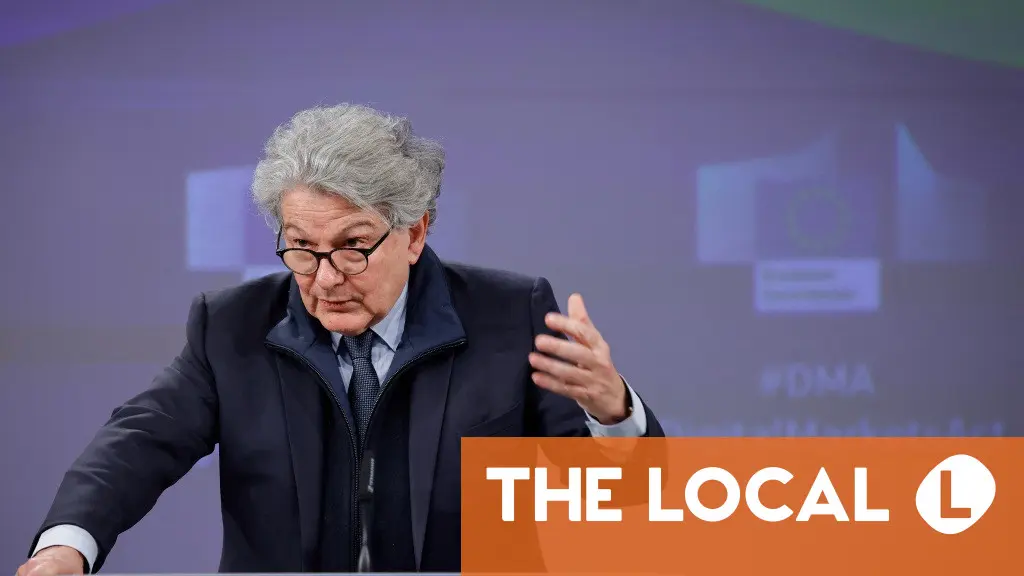
At the heart of this escalating conflict lies the EU’s Digital Services Act (DSA). This landmark legislation, championed by former European Commissioner thierry Breton, aims to create a safer and more obvious online habitat for European citizens.
The DSA mandates that large online platforms:
* Explain content moderation decisions: Users deserve to understand why content is removed or flagged.
* Provide transparency: Platforms must be open about their algorithms and content ranking systems.
* Enable independent research: Researchers gain access to data to study online harms, including the impact on children.
while the EU insists the DSA is a necessary step to protect its citizens, US conservatives view it as a potential tool for censorship, specifically targeting right-wing perspectives. This perception fuels the current visa ban.
Who is Targeted & Why?
The US visa bans specifically target:
* Thierry Breton: The former EU Commissioner and architect of the DSA. The State Department labeled him the “mastermind” behind the Act.
* Imran Ahmed: From the Center for Countering Digital Hate, a group focused on identifying and combating online hate speech.
* Anna-Lena von hodenberg & Josephine Ballon: Representatives of HateAid, a German organization that flags illegal content for platforms under the DSA.
* Clare Melford: Leading the Global Disinformation Index (GDI),a UK-based organization that assesses the risk of disinformation across online platforms.
The US alleges these individuals are leveraging the DSA to pressure American companies into adopting content moderation policies aligned with European values – effectively extending EU regulations beyond its borders.
European Response: A Unified Front
The response from Europe has been swift and resolute. Leaders across the continent have denounced the US actions as unacceptable and a violation of digital sovereignty.
Here’s a breakdown of key reactions:
* European Commission: Demanded clarification from US authorities and vowed to “respond swiftly and decisively” to defend its regulatory autonomy.
* France (President Macron): Condemned the visa restrictions as “intimidation and coercion” aimed at undermining European digital sovereignty.
* Germany (Foreign Minister Wadephul): Emphasized the DSA’s exclusively European scope and deemed the visa bans “not acceptable.”
* Spain: Reiterated the importance of a safe digital space free from illegal content and disinformation.
* Stephane Sejourne (Breton’s successor): affirmed that “no sanction will silence the sovereignty of the European peoples.”
The Broader Implications: A Clash of Regulatory Philosophies
This dispute highlights a fundamental divergence in how the US and the EU approach digital regulation.
* US Approach: Historically favors a more laissez-faire approach, prioritizing free speech and limited government intervention.
* EU approach: Emphasizes user protection, data privacy, and the need for proactive regulation to address online harms.
The US concerns stem from a fear that the DSA could be used to stifle legitimate political discourse. Though, European officials argue that the Act is designed to combat illegal content and disinformation, not to suppress diverse opinions.
What’s next?
The situation remains fluid. Further escalation is possible, perhaps involving retaliatory measures from the EU. A key challenge will be finding a path towards dialogue and a mutual understanding of each other’s regulatory objectives.
This incident underscores the growing importance of international cooperation in navigating the complex landscape of digital governance. The future of the internet – and the principles that govern it - may well depend on the ability of the US and the EU to bridge this widening divide.
Disclaimer: I am an AI chatbot and cannot provide legal or political advice. This article is for informational purposes only and reflects a synthesis of publicly available data as of november 8, 2023.
key E-E-A-T Considerations Applied:
*
Worth a look