EU Corporate Accountability law Weakened: A Setback for global Human Rights
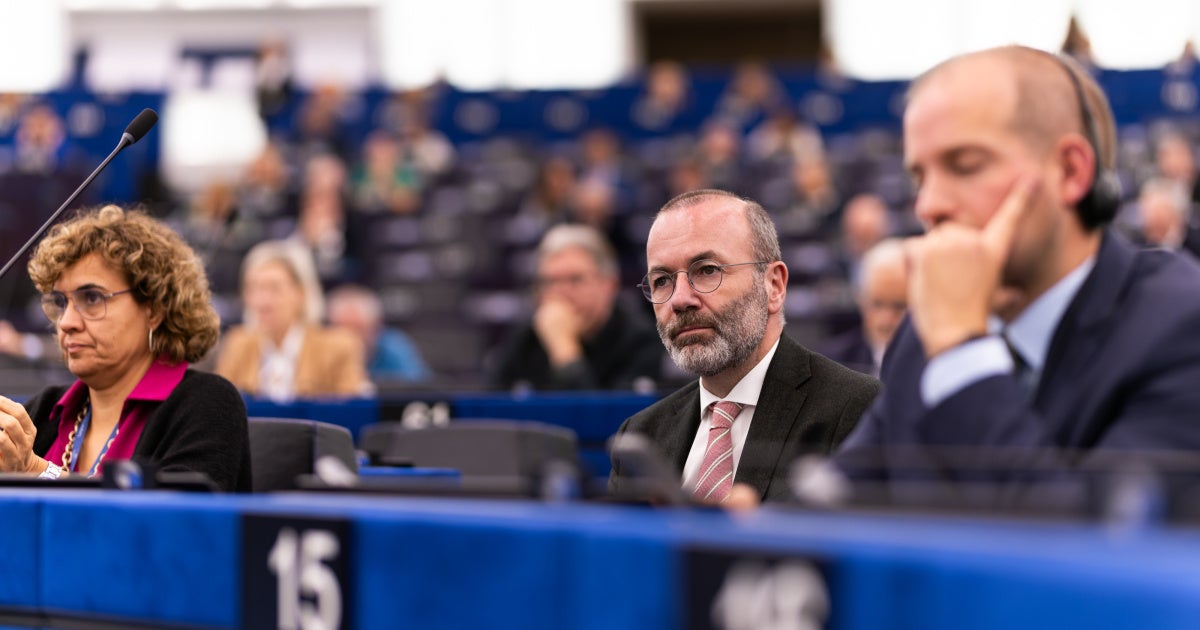
The promise of holding corporations accountable for human rights abuses and environmental damage within their global supply chains has suffered a significant blow.On November 13th, a majority in the European Parliament voted to dismantle key protections during negotiations surrounding amendments to the Corporate Sustainability Due Diligence Directive (CSDDD), effectively prioritizing corporate interests over fundamental rights. This decision reverses years of progress towards establishing landmark legislation that would have compelled companies to address the real-world impact of their operations.
The erosion of the CSDDD stems from a concerning alliance between the European people’s Party (EPP) and far-right factions, a collaboration demonstrably influenced by aggressive lobbying efforts from corporate groups – including those representing the fossil fuel industry. Amendments proposed and adopted largely mirror the demands of these lobbyists, notably eliminating requirements for climate transition plans and restricting the ability of EU member states to implement stronger national provisions. This trend of the EPP aligning with far-right ideologies, as documented by organizations like the Good Lobby, is increasingly detrimental to the advancement of human rights guarantees.
What’s at Stake in the Trilogues?
As the European Commission, Council, and Parliament now enter crucial tripartite negotiations – known as “trilogues” – to finalize the Omnibus I amendments, the already weakened state of the CSDDD risks being further diminished. The current positions of each institution suggest a potential outcome where the directive becomes largely ineffective.Key concerns include the likely absence of harmonized civil liability for corporate misconduct, the removal of mandatory climate transition plans, severely limited access to justice for victims of abuse, and a loophole allowing companies to maintain relationships with suppliers even in cases of severe human rights violations if severing ties would negatively impact their business interests.
This outcome is predicated on a false dichotomy – the idea that robust human rights and environmental standards are incompatible with economic competitiveness. However, emerging evidence directly contradicts this claim. A recent report published jointly by the UN Advancement Program and the World benchmarking Alliance demonstrates a positive correlation between strong corporate human rights records and “enhanced asset efficiency.” The report underscores that comprehensive human rights due diligence isn’t a cost center, but rather a ”strategic investment in resilience and long-term value.”
Understanding Supply Chain Obligation
The CSDDD, at its core, aims to address the complex web of activities that constitute a company’s supply chain – encompassing every stage from raw material sourcing to manufacturing, distribution, and retail. For example,the supply chain for a simple cotton t-shirt extends from the farms where cotton is grown,through the factories where it’s processed and the garment is assembled (including any subcontracted facilities),and ultimately to the store shelves where it’s sold.Companies have a responsibility to ensure that every link in this chain operates free from unfair labor practices and other human rights abuses, and to provide effective remedies for victims when violations occur.
The Path Forward: Strengthening Corporate Accountability
EU institutions must prioritize the protection of a risk-based approach to due diligence throughout the entire supply chain during these critical trilogue negotiations. Furthermore, thay must reinstate civil liability at the European level to ensure victims have a clear legal pathway to redress.
Failure to do so will not only undermine the CSDDD’s potential impact but will also set a risky precedent, signaling a global acceptance of corporate impunity and a weakening of human rights standards. The time to defend a responsible and enduring business model is now – one where profit is not prioritized over the well-being of people and the planet.
Keep reading
- Colombia’s President-Elect Abelardo de la Espriella to Close 14 Embassies, Including Cuba and Nicaragua
- UK PM Offers Drone Inhibitor IP to Ukraine
- Conservative Warns Against Moscow Propaganda and Ukraine Criticism (world-today-news.com)
- South Africa’s Public Investment Corporation Faces Governance Crisis Amid CEO Suspension (time.news)