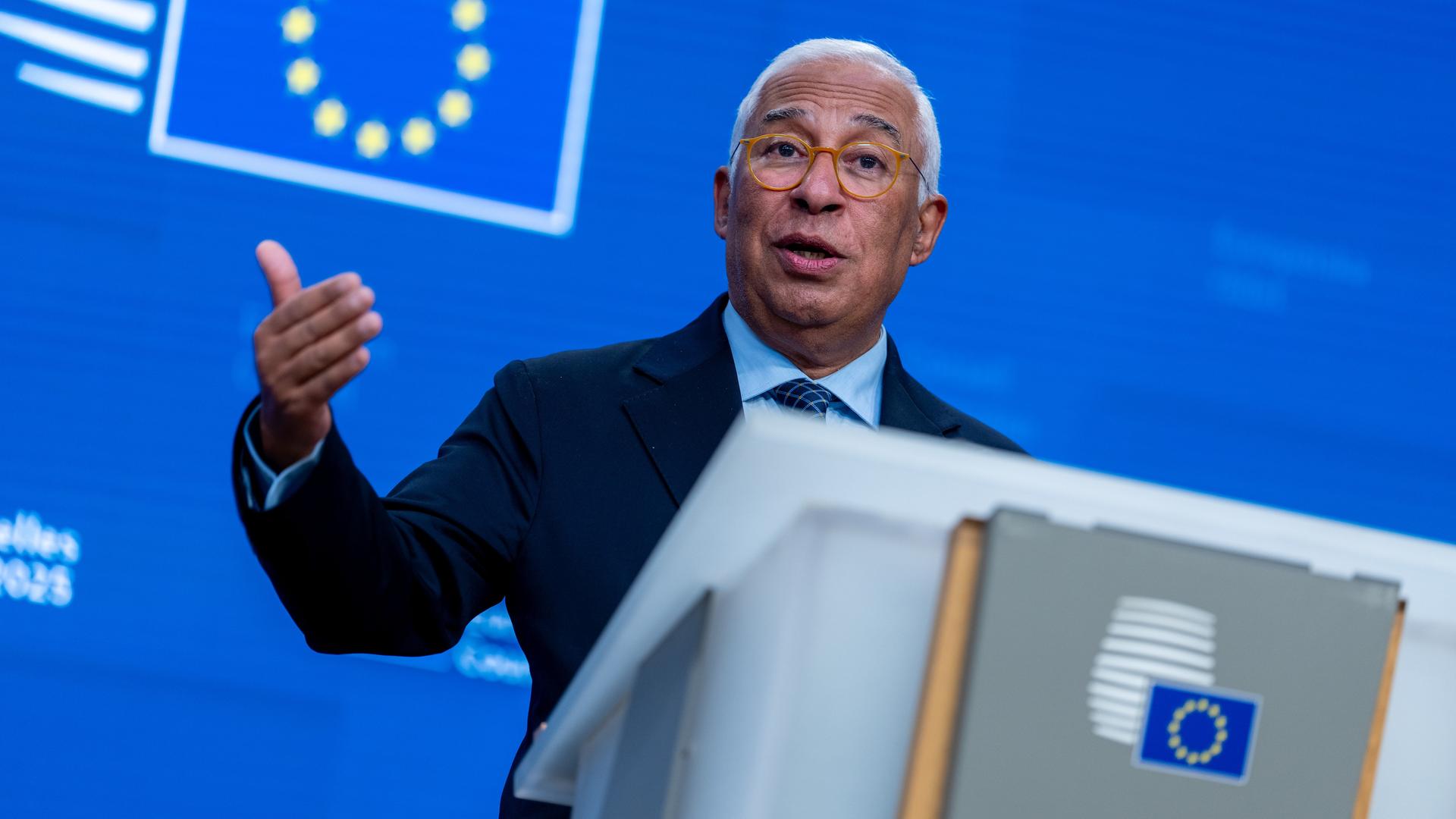
European Union leaders meeting in Brussels have signaled support for a strategic shift in the bloc’s approach toward Russia, backing initiatives led by European Council President António Costa to strengthen collective security. During the recent EU summit, the consensus among member states underscored a hardening stance on sanctions enforcement and the long-term defense of the European border, marking one of the first major policy tests for Costa in his new role at the helm of the Council.
The discussions in Brussels focused on the necessity of maintaining a unified front against Russian aggression while addressing the logistical challenges of supporting Ukraine’s defense industry. According to the European Council’s official conclusions, the bloc reaffirmed its commitment to providing humanitarian, military, and financial aid to Kyiv, while simultaneously tightening the net on entities attempting to circumvent existing restrictive measures.
António Costa’s Diplomatic Mandate
António Costa, who assumed the presidency of the European Council on December 1, 2024, has moved quickly to consolidate support for a more robust Russia policy. His approach, described by diplomats as pragmatic yet firm, seeks to bridge the gap between member states that favor rapid escalation of military support and those concerned about the economic fallout of prolonged conflict. The summit in Brussels served as a platform for Costa to demonstrate his ability to manage the competing interests of 27 sovereign nations.

The core of the initiative involves a more aggressive strategy to curb “shadow fleets” that transport Russian oil in violation of the G7-imposed price cap. Costa’s proposal, which received broad backing during the summit, calls for enhanced coordination between the European Commission and national customs authorities to track illicit shipments more effectively. This shift reflects a growing impatience among EU leaders with the efficacy of current sanction regimes, which have faced scrutiny for their susceptibility to third-party rerouting.
Strengthening the Sanctions Framework
The debate in Brussels highlighted a critical tension: while the EU has enacted 14 packages of sanctions since the full-scale invasion of Ukraine in February 2022, the impact on the Russian economy has been uneven. According to the European Commission, the focus is now shifting toward the enforcement of existing rules rather than the mere addition of new, potentially symbolic, restrictions.
Member states discussed the creation of a centralized EU-wide enforcement agency to monitor dual-use goods—items that have both civilian and military applications—that are increasingly finding their way into Russian weapon systems. The European Council noted that the proliferation of these goods through neighboring countries remains a primary concern for the bloc’s security architecture. By aligning national intelligence efforts, Costa aims to close the loopholes that have allowed Russian manufacturers to bypass Western export controls.
Bolstering the European Defense Industry
Beyond sanctions, the summit addressed the urgent need to ramp up the production of munitions and military hardware. The European Parliament has previously emphasized that the current rate of production is insufficient to meet the needs of both Ukraine and the replenishable stocks of EU member states. Costa’s initiative includes a proposal to leverage the European Investment Bank (EIB) to facilitate easier access to credit for defense contractors.
The push for a “war economy” mindset, as described by several heads of state during the summit, is intended to move the EU away from reliance on external suppliers. By formalizing a long-term investment plan, Costa hopes to ensure that the European defense industry can sustain high-output levels for the duration of the conflict. This initiative is expected to face further scrutiny during the next meeting of the Foreign Affairs Council, where specific budget allocations for the 2025 fiscal year will be finalized.
Next Steps for EU Policy
The political maneuvering in Brussels is far from over. While Costa has secured initial support, the practical implementation of these initiatives will require unanimous approval from the Council for each specific regulatory change. The next major checkpoint for these policies is the upcoming ministerial-level summit scheduled for early 2025, where the European Commission is expected to present a detailed roadmap for the enforcement of the proposed anti-circumvention measures.
Observers suggest that the success of the current initiative will depend largely on the continued alignment of the EU’s largest economies. As the bloc prepares for the next phase of its Russia policy, stakeholders are encouraged to monitor official updates via the European Council press office for the latest legislative filings and summit transcripts. Readers are invited to share their perspectives on the EU’s evolving security strategy in the comments section below.
Keep reading