
Ukraine is increasingly utilizing long-range unmanned aerial vehicles (UAVs) to conduct deep-strike operations against Russian energy, logistics, and military infrastructure. These attacks aim to disrupt Russian economic capacity and supply lines, marking a tactical shift toward attrition-based warfare deep within Russian territory. While unverified reports on social media have occasionally claimed unprecedented drone swarm sizes, official military data from both combatants indicate a trend of more frequent, targeted, and increasingly sophisticated drone waves.
The escalation in drone warfare has transformed the conflict from a primarily frontline engagement into a struggle that reaches deep into the Russian interior. By targeting oil refineries, ammunition depots, and airfields, Ukraine seeks to degrade Russia’s ability to sustain its military operations. Conversely, Russia has ramped up its air defense and electronic warfare capabilities to intercept these incursions, particularly around Moscow and critical industrial hubs.
How Ukraine is utilizing long-range UAVs
Ukrainian military strategy has evolved to incorporate long-range, low-cost drones capable of traveling hundreds of kilometers. According to reports from the Ukrainian Main Intelligence Directorate (GUR), these operations are designed to bypass traditional frontline defenses and strike high-value economic targets. This approach allows Ukraine to exert pressure on the Russian state without the immediate necessity of large-scale ground incursions.
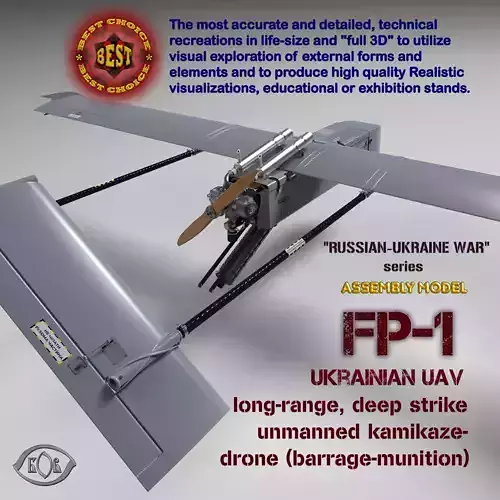
The tactical use of these drones often involves “swarm-like” behavior, where multiple UAVs are launched simultaneously to overwhelm local air defense systems. By saturating a target area, the attackers increase the probability that at least some drones will reach their intended destination. Military analysts noted that this saturation tactic forces Russia to expend expensive surface-to-air missiles on relatively inexpensive drone targets, creating an economic imbalance in the air war.
The impact of drone strikes on Russian energy infrastructure
A primary objective of recent Ukrainian drone campaigns has been the disruption of the Russian oil and gas sector. Strikes on refineries and fuel depots in regions such as Ryazan, Tatarstan, and the Krasnodar Krai have caused intermittent disruptions to fuel processing and distribution. According to data from various energy tracking agencies, these strikes have forced several Russian refineries to reduce output or suspend operations temporarily for repairs.
The strategic goal of targeting energy infrastructure is twofold: reducing the revenue available to the Russian government and complicating the logistics of the Russian military. Fuel is a critical component for armored vehicles and transport trucks moving toward the front lines; therefore, any disruption in the supply chain has a direct impact on battlefield mobility. While the Russian Ministry of Defense frequently reports the successful interception of drones before they reach their targets, the sheer volume of attempts continues to challenge Russian defensive capabilities.
Russia’s defensive response to increased drone frequency
In response to the growing threat, Russia has focused on strengthening its air defense networks and deploying advanced electronic warfare (EW) systems. The Russian military has reported increased use of localized jamming to disrupt the GPS and communication links that drones rely on for navigation. These EW measures are particularly prevalent around Moscow and major industrial centers, where the density of air defense assets is highest.
Beyond electronic countermeasures, Russia has also deployed mobile air defense units specifically tasked with intercepting low-flying, slow-moving UAVs. These units utilize a mix of traditional missile-based systems and anti-aircraft artillery to create a multi-layered defense. However, the effectiveness of these systems remains a subject of debate, as Ukrainian strikes continue to find vulnerabilities in the Russian defensive perimeter, particularly in the vast and geographically diverse regions of the Russian interior.
Comparative evolution of drone warfare tactics
The drone landscape has shifted significantly since the early stages of the conflict. A comparison of recent operations against earlier phases reveals several key developments:
- Range and Payload: Early-war drones were largely used for reconnaissance or short-range tactical strikes. Current long-range models are designed for strategic deep-strikes against infrastructure.
- Complexity: Modern UAVs utilize more sophisticated autonomous navigation and terrain-following capabilities to evade radar detection, compared to the simpler, line-of-sight drones used previously.
- Scale of Engagement: While earlier attacks were often isolated incidents, current operations frequently involve coordinated waves of drones targeting multiple locations simultaneously to stretch defensive resources.
Summary of Current Drone Warfare Trends
- Targeting: Shift from frontline military assets to rear-area economic and energy infrastructure.
- Tactics: Increased use of saturation strikes to overwhelm air defense systems.
- Countermeasures: Russian reliance on electronic warfare and mobile air defense to mitigate UAV threats.
- Economic Impact: Continued pressure on Russian oil refining and fuel logistics.
Information regarding the exact number of drones intercepted during any single engagement varies significantly between combatant reports. While some unofficial sources have claimed massive numbers in single attacks, official communiqués from the Russian Ministry of Defense and the Ukrainian Air Force typically provide more conservative, verified figures following major incidents.
Observers will continue to monitor official reports from the Ukrainian Ministry of Defense and the Russian Ministry of Defense for confirmation of specific strike outcomes and casualty figures. Updates on the status of Russian energy infrastructure and the deployment of new air defense technologies are expected as the conflict evolves.
What are your thoughts on the impact of drone technology on modern warfare? Share your perspective in the comments below and share this article with your network.