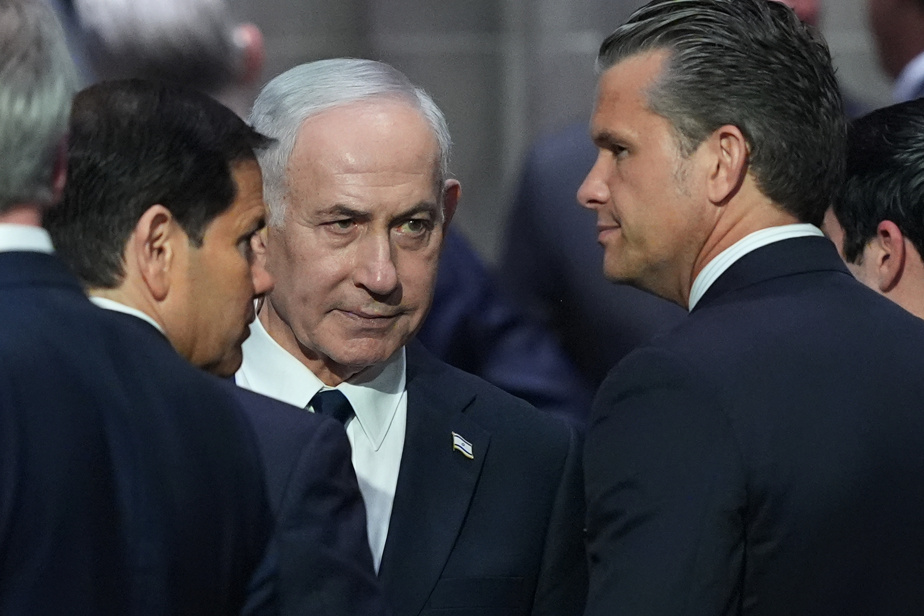
Israeli Prime Minister Benjamin Netanyahu stated that Israel has not accepted a U.S.-backed plan for Gaza, despite receiving assurances that an Israeli withdrawal would occur only after the complete disarmament of Hamas. Netanyahu announced the stance in a video message released on Tuesday.
The diplomatic push surrounding the second phase of the post-conflict roadmap has triggered intense friction within Israel’s ruling coalition. Following a meeting on Monday with the “Peace Council” of Donald Trump, which is tasked with overseeing the transition out of the Gaza conflict, Prime Minister Benjamin Netanyahu faced mounting demands from far-right cabinet members to reject the framework entirely.
While Hamas indicated on Friday that it accepted an agreement announced by Donald Trump—a version that envisioned the end of military operations and a simultaneous, phased Israeli withdrawal alongside Hamas disarmament—the political landscape in Jerusalem has shifted rapidly as right-wing ministers demand renewed scrutiny over the terms of implementation.
Benjamin Netanyahu Rejects the Washington-Backed Framework
Addressing the public in a video published on social media, Netanyahu clarified that his government did not sign off on the proposal drafted by American negotiators, despite guarantees that Israeli forces currently occupying more than 60 percent of the Gaza Strip would remain in place until militant disarmament was fully verified.
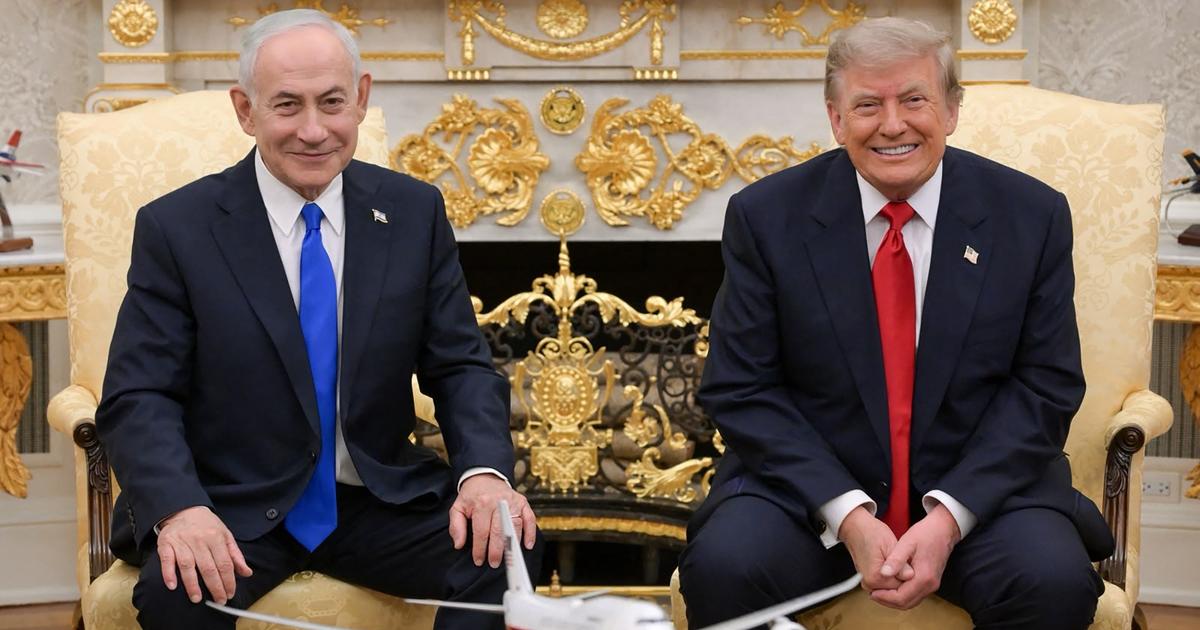
They estimated that they could obtain the disarmament of Hamas and the demilitarization of Gaza. We are examining this possibility. They sent us a draft, which we did not accept: it is not our project. We have transmitted our comments to them. Benjamin Netanyahu, Israeli Prime Minister, via La Presse
The “Peace Council” maintained on social media platform X that the withdrawal of Israeli troops from occupied territories would not take place until Hamas had completed its disarmament. Even with these conditions attached to satisfy security demands, Netanyahu’s cabinet remains deeply fractured.
Far-Right Coalition Pressure and Domestic Political Struggles
Two key far-right members of the coalition—Finance Minister Betsalel Smotrich and Minister of Settlements Orit Strock—demanded a fresh vote on the proposed roadmap, arguing that the terms departed from initial discussions. Although the security cabinet had previously approved the overarching U.S. blueprint, which incorporates the eventual deployment of a Force internationale de stabilisation (ISF), internal opposition forced a delay.
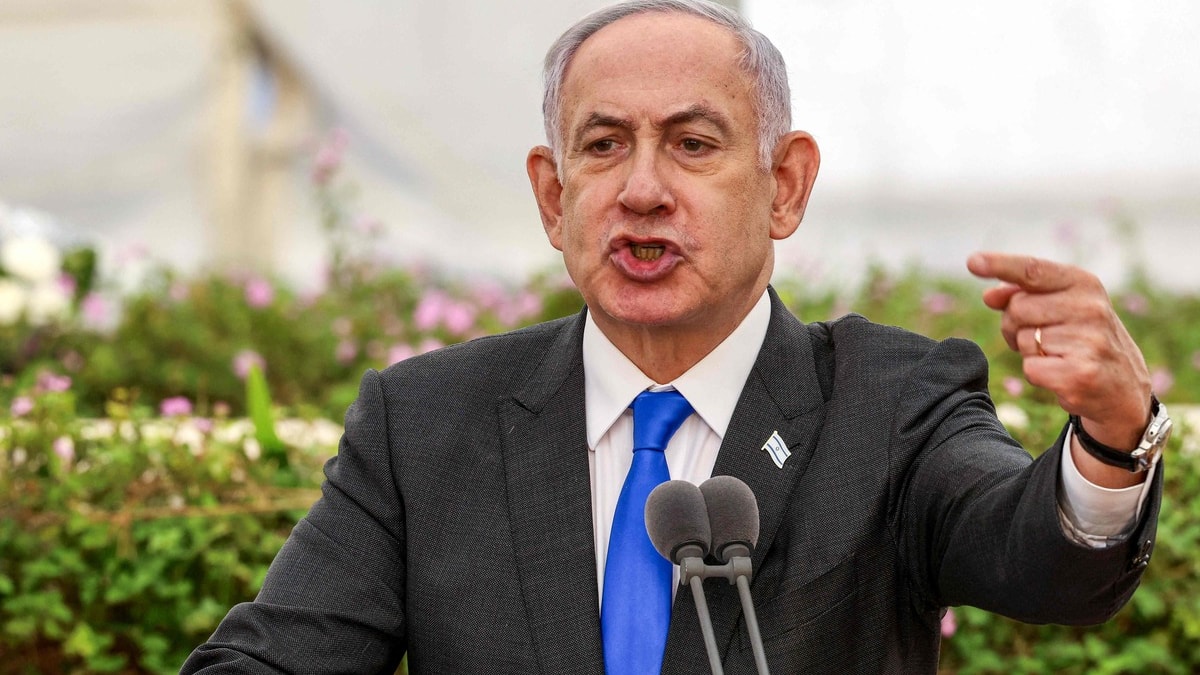
Netanyahu postponed a scheduled Tuesday meeting of the security cabinet until Thursday. Israeli media outlets linked the delay to the ongoing primaries campaign within the Likoud party ahead of elections scheduled for October 27, where Netanyahu is seeking a new mandate under challenging political conditions.
Tal Elovits, a researcher at the Israeli think tank Molad, characterized the far-right ministers’ ultimatums as a deliberate campaign maneuver designed to pressure the prime minister.
The right has always tried to push back the moment when this conflict would become an international conflict. But, obviously, the behavior of Tsahal will be different once the ISF is deployed. Tal Elovits, researcher at Molad, via Journal de Québec
Diplomatic Constraints and Military Operations on the Ground
Analysts suggest that despite domestic maneuvering from his coalition partners, Netanyahu faces narrow diplomatic alternatives. Elovits noted that the prime minister has little choice but to heed Washington, describing him as having no other option than to listen to the only friend he has left in the diplomatic community amid friction that has surfaced between the two governments in recent months.
Concurrently, amid American insistence on scaling back military actions in the Palestinian territory, media reports indicate that the Israeli military has instituted tighter controls over operations. The armed forces have reportedly conditioned any targeted strike on direct authorization from the chief of staff, with exceptions made only for situations involving immediate danger. Representatives for the Israeli military declined to comment directly on operational command changes, referring inquiries instead to the political echelon.
Related reading