EU Enlargement: Public Opinion, Candidate Countries, and the Path Forward (Updated November 2023)
Are you curious about the future of the European Union? Recent data reveals a surprising surge in public support for expanding the bloc, but the path to enlargement is complex. This article dives deep into the latest Eurobarometer findings, explores public sentiment towards specific candidate countries, and addresses the key concerns surrounding EU expansion. We’ll break down everything you need to know, from the benefits perceived by citizens to the hurdles that remain.
A Shift in Sentiment: Broad Support for EU Expansion
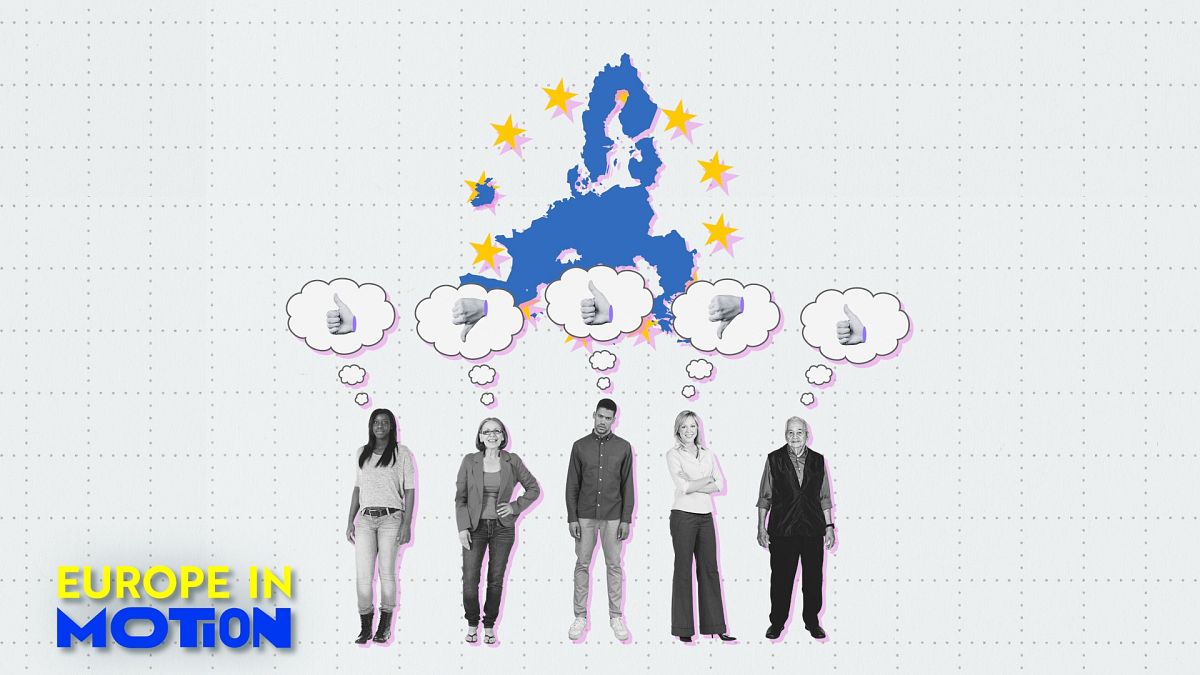
A recent Eurobarometer study demonstrates a significant shift in public opinion. Over half of EU citizens now favor further enlargement – a notable increase signaling a willingness to welcome new members. Nearly one in ten are very much in favor, indicating a growing belief in the benefits of a larger, more unified Europe.
This support isn’t uniform across the EU, but it’s remarkably widespread. In 23 member states, at least 50% of respondents expressed their approval. Sweden leads the way with 79% support, followed closely by Denmark (75%) and Lithuania (74%). European Commission – Eurobarometer provides detailed data and methodology.
Who Wants In? The Current Candidate Countries
Ten countries are currently vying for EU membership, each with its own unique journey and challenges:
Ukraine
Montenegro
Bosnia and Herzegovina
North Macedonia
Moldova
Serbia
Georgia
Albania
Kosovo
Turkey
The accession process is rigorous, demanding significant political and economic reforms to align with EU standards.It’s a long-term commitment for both the candidate countries and the existing member states.
The Generational Divide: Young Europeans Lead the Charge
Interestingly, support for enlargement is notably strong among younger generations. 67% of respondents aged 15-24 are in favor.
63% of those aged 25-39 share this view.
This suggests that younger Europeans see greater potential in a larger, more integrated EU, perhaps prioritizing opportunities for travel, work, and collaboration. This demographic shift could significantly shape the future of the enlargement process.
Perceived Benefits: Why Citizens Support Expansion
What drives this positive sentiment? A majority of EU citizens believe their own country would benefit from future enlargement. Here are the most frequently cited advantages:
Stronger Global Influence (37%): A larger EU would wield greater political and economic power on the world stage.
Expanded Market (37%): Enlargement creates a larger single market, boosting trade and economic growth for EU businesses.
Increased Job Opportunities (31%): A larger economic zone can lead to more employment possibilities.
Enhanced Solidarity (30%): Expansion fosters greater cooperation and mutual support among european nations.
These perceived benefits highlight a belief in the power of collective strength and shared prosperity.
Addressing the Concerns: What Worries Citizens?
Despite the overall positive trend, concerns remain.Citizens are understandably cautious about the potential challenges of enlargement. The most prominent worries include:
Uncontrolled Migration (40%): Concerns about the potential influx of migrants are a significant factor.
Corruption and Crime (39%): The risk of importing corruption and organized crime is a valid concern.
Financial Burden (37%): Taxpayers worry about the financial costs associated with integrating new member states.
These concerns are legitimate and require careful consideration and proactive mitigation strategies. Addressing these anxieties is crucial for maintaining public support for enlargement.
A Closer look at Candidate Country Support
Support levels vary significantly depending on the candidate country. Here’s a breakdown of the latest data:
Ukraine (51%): While enjoying majority support, Ukraine’s accession is currently stalled due to Hungary’s veto, which also impacts Moldova’s progress. The ongoing conflict with Russia adds further complexity. Council of the European Union – Ukraine
*Montenegro (51%):
Worth a look