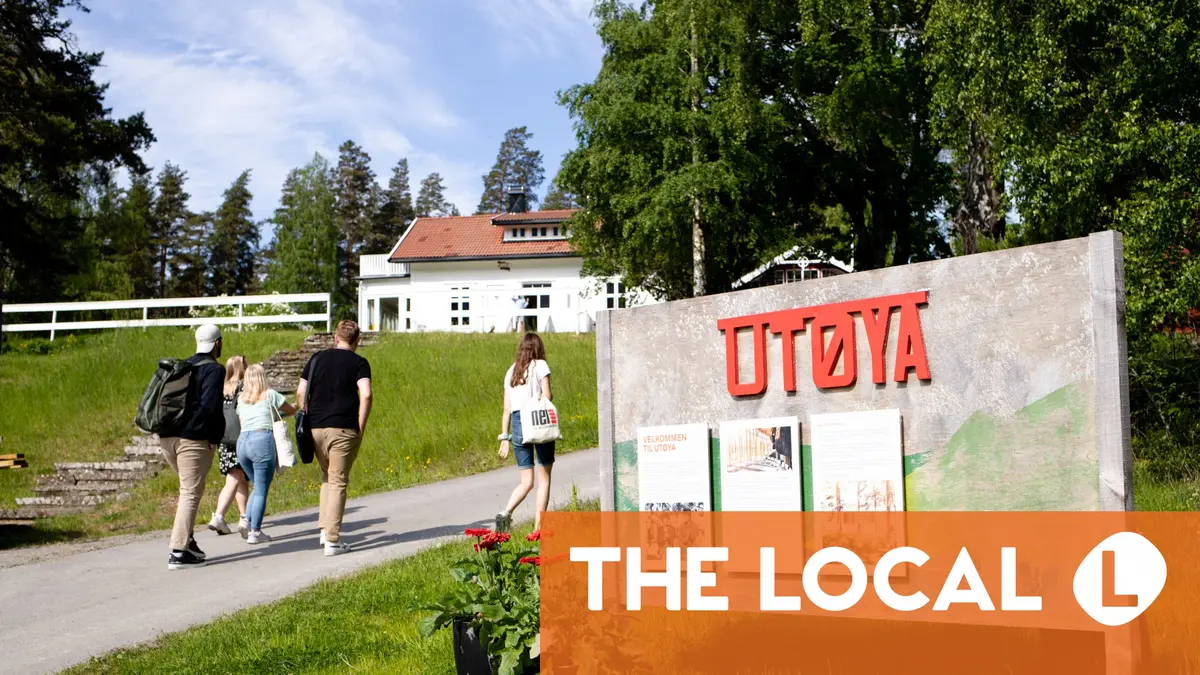
Norway has officially inaugurated a national memorial at Utøyakaia, the site of the 2011 twin terror attacks that claimed 77 lives, marking a significant step in the country’s long process of public remembrance. The memorial, located on the mainland facing the island of Utøya, serves as a permanent tribute to the victims of the deadliest act of violence in Norway since the Second World War. The project, which has faced years of deliberation and local opposition, was opened to the public on Sunday, providing a space for survivors, bereaved families, and the nation to reflect on the events of July 22, 2011.
The attacks began with a car bomb explosion in Oslo’s government quarter, which killed eight people, followed by a mass shooting at a Workers’ Youth League (AUF) summer camp on the island of Utøya, where 69 people—mostly teenagers—were killed by a far-right extremist. According to official records from the Norwegian government, the site at Utøyakaia was chosen specifically due to its proximity to the island, serving as the point of departure for the ferry that transported both victims and responders during the attack. The completed memorial features 77 bronze pillars, each representing one of the individuals who lost their lives, designed to create a somber, reflective atmosphere for visitors.
A Decade-Long Path to Commemoration
The creation of the memorial was not without controversy. For years, the project was stalled by legal challenges and disagreements between the government and local residents of Hole municipality, many of whom expressed concerns about the psychological impact of a permanent memorial near their homes. The Norwegian national broadcaster NRK reports that the final design was the result of extensive mediation, aiming to balance the need for a national site of mourning with the sensitivities of the local community.
The government, led by the Ministry of Local Government and Regional Development, maintained that a permanent site was essential for national healing. The construction of the site was finalized after years of design revisions intended to ensure the space felt appropriate for both personal grief and public education. The memorial is now integrated into the landscape, with the pillars arranged to allow visitors to walk among them, an architectural choice intended to emphasize the individual lives lost while acknowledging the collective scale of the tragedy.
The Legacy of July 22 in Norwegian Society
The 2011 attacks fundamentally altered the political and social landscape of Norway. The perpetrator, a neo-Nazi extremist, was sentenced to 21 years in preventive detention—the maximum penalty under Norwegian law at the time—which can be extended indefinitely as long as he is deemed a threat to society. Since the attacks, the Norwegian state has focused on strengthening national security and monitoring far-right extremism, while simultaneously fostering public discussions about democracy, inclusion, and the protection of vulnerable groups.
The memorial serves not only as a grave marker for the families but as a pedagogical site. It is intended to educate future generations about the dangers of radicalization and the importance of democratic participation. For many survivors of the Utøya shooting, the site provides a necessary physical anchor for a traumatic event that remains deeply embedded in the national consciousness. During the opening ceremony, representatives of the survivors’ groups emphasized that while the physical memorial is now complete, the work of addressing the ideologies that fueled the violence remains ongoing.
Reflections on the Site and Future Updates
The inauguration ceremony saw a gathering of families, government officials, and representatives from the AUF. While the memorial is now open to the public, the government has indicated that the site will be managed with a focus on respectful visitation. According to the official statements from the Prime Minister’s office, the site will be maintained as a permanent fixture, with future security and maintenance protocols overseen by the Statsbygg, the Norwegian government’s building commissioner.
As the nation moves forward, the focus remains on the upcoming annual commemorations held every July 22. The memorial at Utøyakaia is expected to become a focal point for these events, replacing temporary tributes with a lasting structure. The government has encouraged the public to visit the site with the necessary decorum. For those seeking further information on the history of the attacks or the official reports regarding the investigation, the 22. juli-senteret (The July 22 Centre) in Oslo continues to provide comprehensive educational materials and digital archives documenting the day’s events and the subsequent judicial proceedings.
The government is scheduled to release its next annual report on the maintenance of state-funded memorials in early 2025. Please share your thoughts or reflections in the comments below as we continue to cover the ongoing efforts to honor those affected by the 2011 attacks.
Keep reading