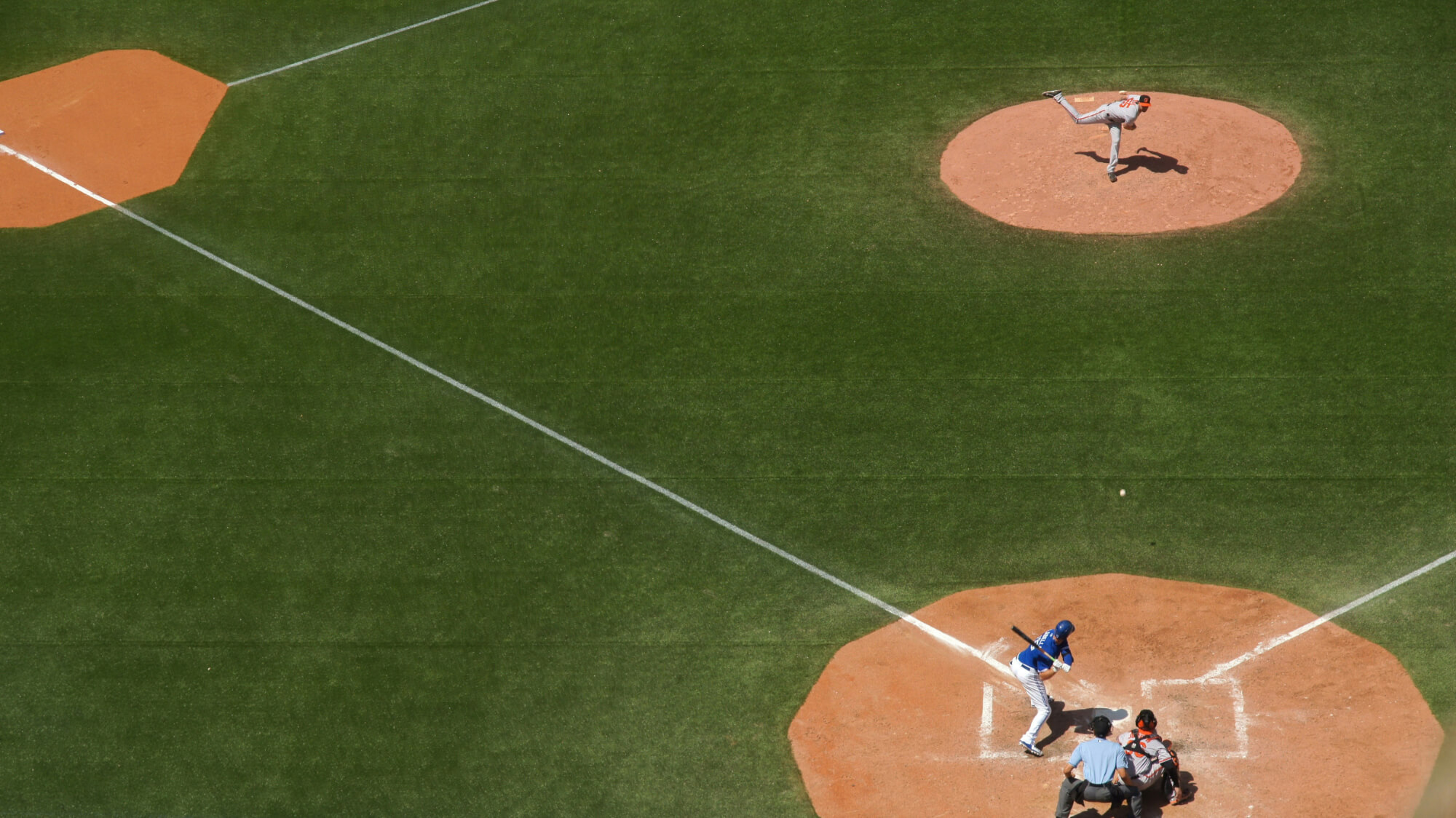
Determining the greatest hitters in Major League Baseball (MLB) history requires balancing raw power, consistent contact, and the ability to produce runs across vastly different eras of the sport. While statistical metrics such as batting average, on-base percentage, and slugging percentage provide a foundation, the title of the greatest hitter is defined by a combination of longevity, peak dominance, and the ability to adjust to evolving pitching strategies. According to official historical records maintained by MLB.com, players like Ty Cobb, Ted Williams, and Babe Ruth consistently appear at the top of cumulative offensive leaderboards, serving as the benchmark for professional excellence.
The pursuit of greatness in the batter’s box involves more than just natural talent; it is a discipline of repetitive mechanics and mental acuity. Professional hitters must process pitch recognition, timing, and situational awareness in fractions of a second. The evolution of the game, marked by the integration of advanced data analytics and increased pitch velocity, has forced modern hitters to adapt their approaches compared to their predecessors. As documented by the National Baseball Hall of Fame, the transition from the dead-ball era to the modern age of launch angles and exit velocity highlights the shifting definition of what constitutes a “great” hitter.
The Statistical Titans of Baseball
When evaluating hitters, the conversation often begins with career batting average, a category where Ty Cobb remains the undisputed leader. Cobb finished his 24-season career with a .366 batting average, a record that has stood since his retirement in 1928. His approach prioritized contact, speed, and defensive pressure, a stark contrast to the modern emphasis on home runs and extra-base hits. According to Baseball-Reference, Cobb’s ability to put the ball in play remains a foundational metric for evaluating offensive consistency.
In terms of pure, clinical hitting ability, Ted Williams is frequently cited as the most scientific hitter to ever play the game. Williams, who recorded a career on-base percentage of .482, famously mastered the strike zone with unparalleled discipline. His 1941 season, during which he finished with a .406 batting average, remains the last time a player has eclipsed the .400 mark in a single season. The MLB historical archives confirm that Williams’ career was interrupted by military service, yet his production rates remain among the highest in the sport’s history.
Power and Production in the Modern Era
While contact hitters defined the early 20th century, the era of the power hitter reshaped the game’s landscape. Babe Ruth, often credited with revolutionizing baseball through the home run, set standards for slugging percentage and isolated power that dominated the game for decades. His career slugging percentage of .690 remains the highest in MLB history, a testament to his unique ability to drive the ball with force. Data provided by FanGraphs indicates that Ruth’s offensive impact, when adjusted for the era in which he played, remains statistically superior to almost all subsequent players.
Modern hitters, such as Barry Bonds, have pushed these records into new territory. Bonds, who holds the record for the most career home runs with 762, also maintains the record for the highest single-season and career on-base percentages. His ability to draw walks—often intentional—demonstrated a level of respect from opposing pitchers that fundamentally altered team strategies. According to MLB official records, Bonds’ 2004 season, where he recorded a .609 on-base percentage, serves as a high-water mark for offensive efficiency in the modern game.
What It Takes to Reach the Pinnacle
The path to becoming an elite MLB hitter involves a synthesis of physical training and intellectual preparation. Players at the highest level utilize high-speed cameras and motion-capture technology to refine their swings, ensuring that their bat remains in the “zone” for as long as possible. This technical precision is necessary to combat the modern trend of pitchers throwing high-velocity fastballs consistently over 95 mph. The MLB Statcast database provides the granular data on exit velocity and launch angle that teams now use to evaluate potential hitting success.
Beyond the technology, the mental aspect of hitting remains the greatest challenge. The ability to remain composed after a strikeout and to analyze a pitcher’s tendencies in real-time separates All-Star performers from the rest of the league. As reported by the MLB Players Association, the most successful hitters are those who can maintain a consistent routine throughout the grueling 162-game schedule, managing fatigue while maintaining the focus required to track a baseball moving at high speeds.
Comparing Historical and Contemporary Impact
Comparing hitters across different generations is a complex task due to significant changes in ballparks, equipment, and training regimens. A hitter from the 1920s played on different types of grass and used different ball compositions than a hitter in the 2020s. However, sabermetrics—the empirical analysis of baseball—allows for a more nuanced comparison. Using statistics like OPS+ (On-base Plus Slugging adjusted for league and ballpark), analysts can normalize performance across eras. According to the Baseball-Reference WAR explanation, these metrics help level the playing field, allowing for a more accurate assessment of who truly provided the most value to their respective teams.
The following table illustrates the career leaders in key offensive categories as tracked by official league records:
| Player | Record Category | Statistic |
|---|---|---|
| Ty Cobb | Career Batting Average | .366 |
| Babe Ruth | Career Slugging Percentage | .690 |
| Ted Williams | Career On-Base Percentage | .482 |
| Barry Bonds | Career Home Runs | 762 |
As the game continues to evolve, the definition of the “greatest” hitter will likely remain a subject of debate. With the introduction of new rules, such as the pitch clock and defensive shift restrictions, the environment for hitters is constantly shifting. Fans and analysts interested in tracking the latest records and player performance updates can monitor the official MLB stats portal, which is updated daily throughout the regular season. For further discussion on the evolution of hitting mechanics and historical trends, readers are encouraged to share their thoughts in the comments section below.
Keep reading