
European lawmakers are raising significant concerns regarding the potential issuance of visas to Taliban representatives invited by the European Commission to participate in discussions concerning migration. The debate centers on the diplomatic implications of engaging with the current Afghan administration, a move that critics argue contradicts the European Union’s established stance on human rights and the protection of vulnerable populations.
The controversy stems from reports that the European Commission has extended invitations to Taliban officials to discuss migration-related issues in Brussels. This decision has prompted immediate pushback from several members of the European Parliament, who have urged Belgian authorities—specifically referencing the role of Maxime Prévot—to exercise caution and potentially deny entry visas for these individuals. The request highlights a deep-seated tension between the practical necessity of managing migration flows and the moral imperative of refusing to legitimize a regime accused of systemic human rights abuses.
The Diplomatic Dilemma: Balancing Migration and Human Rights
For the European Union, the primary challenge lies in the complex reality of migration management. As of June 2026, the EU continues to refine its legal frameworks to address the rights of crime victims and improve the efficiency of its asylum and migration systems [2]. However, engaging with the Taliban remains a highly contentious policy area. The European Commission’s stated priorities for 2024-2029 include promoting a free and democratic Europe, which many parliamentarians argue is fundamentally incompatible with providing a platform for Taliban representatives [2].
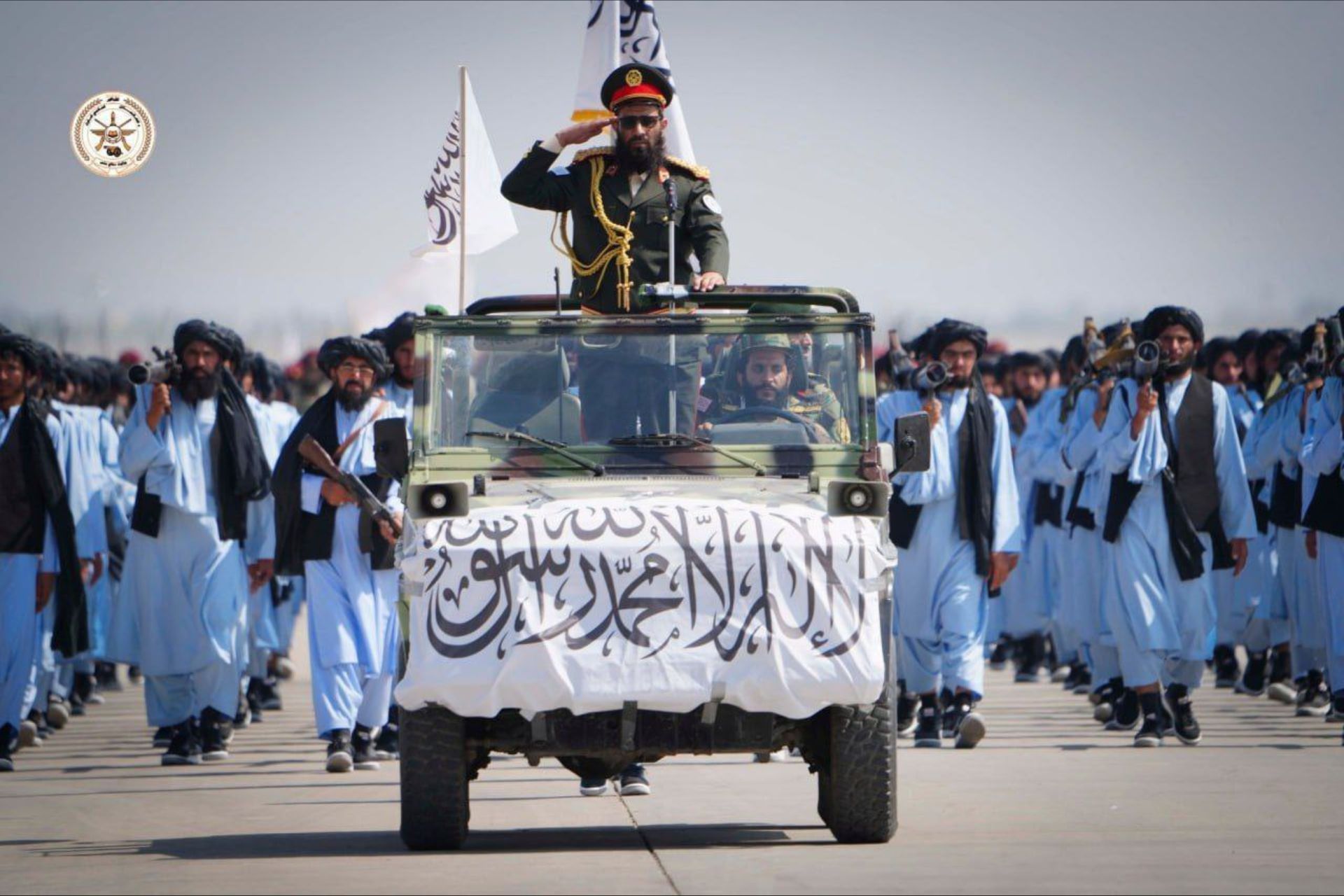
The International Federation for Human Rights (FIDH) and various advocacy groups have expressed alarm over these proposed meetings, arguing that they serve to normalize a regime that has dismantled the rights of women and minorities in Afghanistan. The core of the argument from opposing lawmakers is that granting visas to members of an organization widely condemned for its governance practices undermines the EU’s credibility as a defender of international law and human rights standards.
Voices from the European Parliament
The move to block visas is not merely a symbolic gesture but a strategic attempt to influence the EU’s external relations policy. Lawmakers opposing the visit emphasize that the Taliban’s track record—marked by severe restrictions on civil liberties—precludes them from being treated as standard diplomatic counterparts. This development follows a period of heightened focus on migration, with the EU recently updating its laws to strengthen crime victims’ rights, including easier online reporting and access to the 116 006 hotline [2].
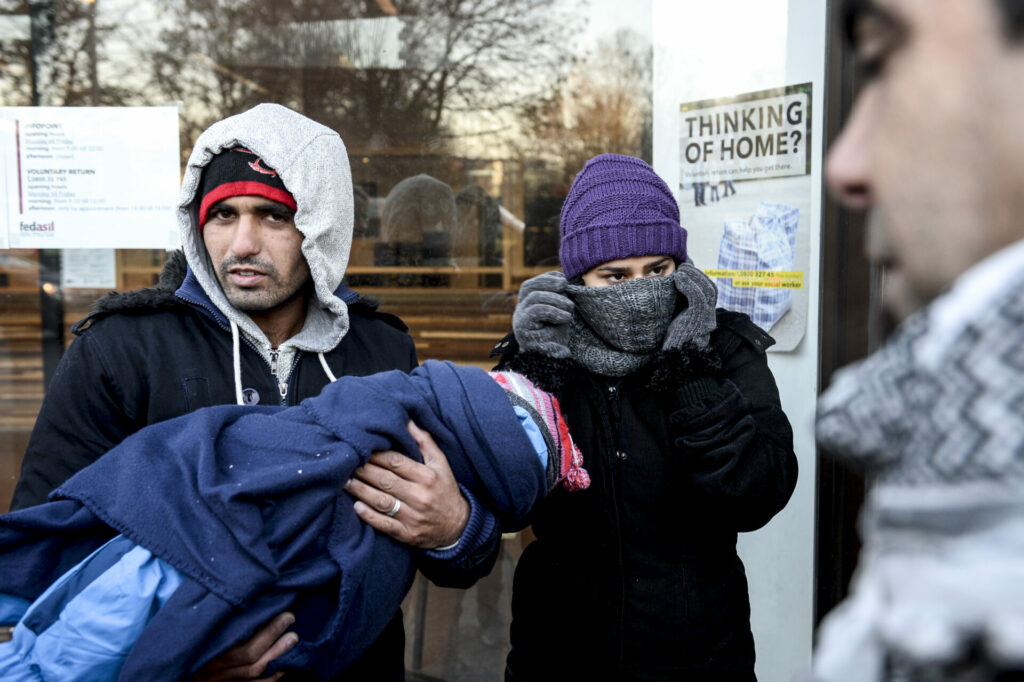
Critics of the Commission’s invitation point to the experiences of Afghan refugees and exiles, many of whom live in constant fear of forced repatriation. Organizations working with displaced Afghans have consistently highlighted the dangers these individuals face if returned to a country governed by the Taliban. By inviting officials to Brussels, critics argue, the Commission risks signaling a shift in policy that could negatively impact the safety and status of those who have fled the regime.
Next Steps in the Brussels Dialogue
As of early June 2026, the situation remains fluid. The Commission has not publicly walked back its intent to engage in these discussions, citing the functional necessity of addressing migration at the source. Meanwhile, the pressure on national authorities to scrutinize visa applications for the invited delegation continues to mount. Parliamentarians are expected to raise the issue in upcoming committee sessions to demand transparency regarding the criteria used for such diplomatic invitations.
The European Union remains an organization governed by a complex set of treaties and shared values, including the principles outlined in its foundational documents [3]. The outcome of this specific visa debate will likely serve as a litmus test for how the EU balances its pragmatic migration goals against its commitment to human rights in the coming years. Further updates regarding the status of these invitations and any potential parliamentary hearings will be provided as official records become available.
We welcome your perspective on this evolving situation. Join the conversation in the comments section below to share your thoughts on the balance between diplomatic engagement and the protection of fundamental rights.
Worth a look