
The European Parliament has officially adopted a comprehensive overhaul of the European Union’s migration and asylum policy, marking a significant shift in how member states manage irregular arrivals and border procedures. The New Pact on Migration and Asylum, which received final approval from lawmakers in April 2024, introduces stricter border controls, accelerated processing times, and a mandatory solidarity mechanism for the relocation of asylum seekers, according to the European Parliament official press release.
This legislative package, known as the Common European Asylum System (CEAS), aims to harmonize procedures across the bloc to address long-standing tensions regarding the distribution of responsibility for migrants. The reforms include the creation of centralized border facilities, often referred to as “screening centers,” where arrivals will be processed within a seven-day window to determine their eligibility for asylum or their likelihood of deportation, as detailed by the European Commission.
Understanding the New Border Procedures
The core of the reform is the introduction of a mandatory pre-entry screening process for individuals who do not meet the legal conditions to enter the EU. During this phase, authorities will collect biometric data, including fingerprints and facial images, which will be stored in the updated Eurodac database. According to Council of the European Union documents, this process is designed to ensure that individuals cannot bypass identity checks by moving between member states, a phenomenon often categorized as “secondary movement.”
For those whose applications are considered unlikely to succeed—such as individuals originating from countries with low asylum recognition rates—the new rules mandate the use of border procedures. These individuals will be held in facilities at the external borders while their claims are assessed. The European Parliament has specified that these procedures must be completed within a maximum period of 12 weeks, including any appeals processes. This represents a departure from current practices where asylum seekers often waited months or years while their cases remained in limbo.
The Solidarity Mechanism and Relocation
One of the most contentious aspects of the migration reform is the introduction of a “mandatory solidarity” mechanism. Under this system, EU member states are required to choose between accepting a set number of relocated asylum seekers or providing financial or operational support to states under significant migratory pressure. The European Council confirmed that this mechanism is intended to prevent situations where frontline countries, such as Italy, Greece, and Spain, bear the entirety of the administrative and logistical burden.
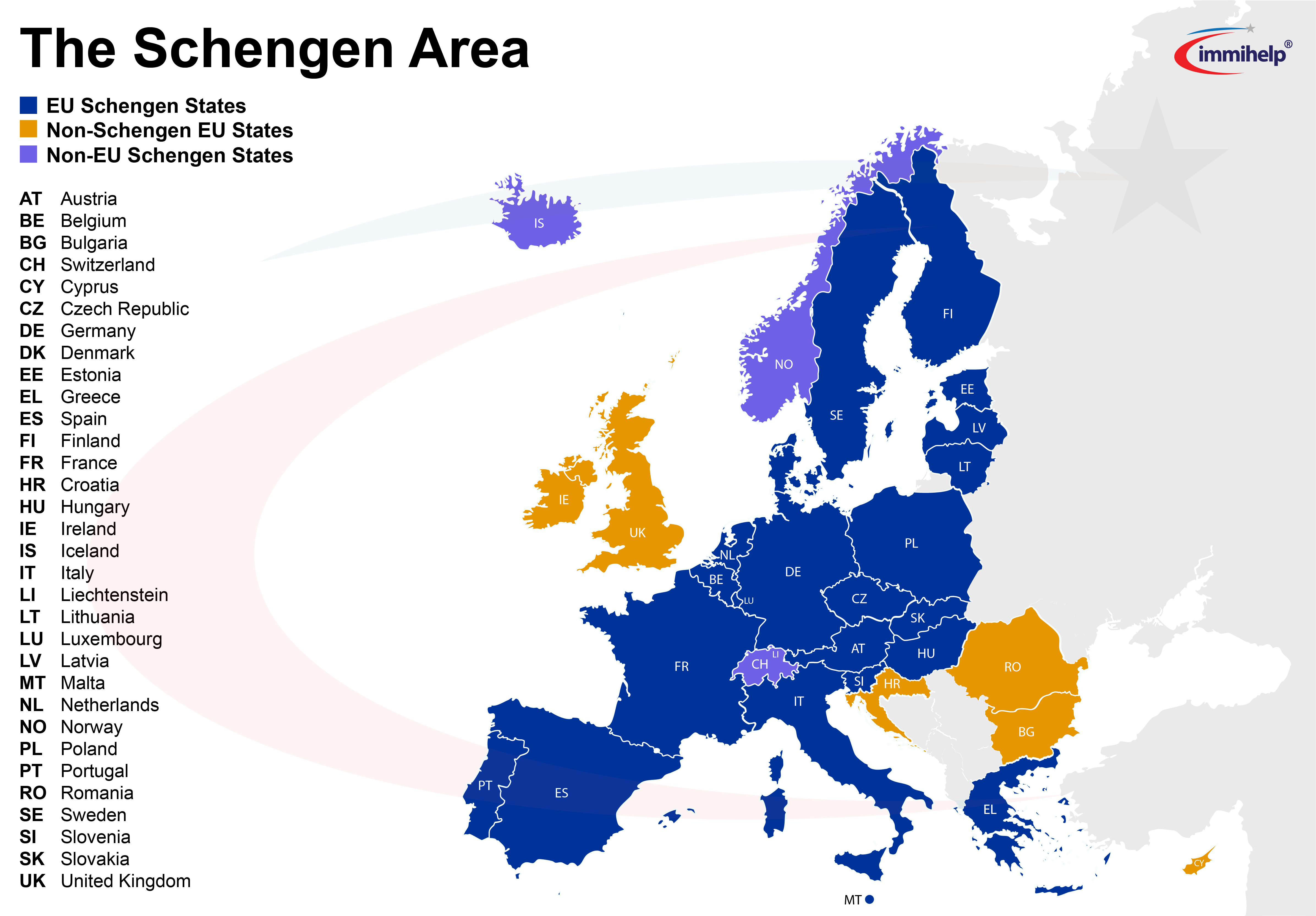
Critics of the plan have raised concerns regarding the humanitarian implications of these detention-like border centers. Human rights organizations, including Amnesty International, have argued that the focus on rapid returns and detention could undermine the right to seek asylum and lead to the systematic detention of families and children at borders. Conversely, proponents argue that the legal clarity provided by the new regulations is necessary to ensure the integrity of the Schengen Area and to reduce the influence of human smuggling networks.
Implementation and Future Timelines
The legislative package is set to become fully operational across all member states by mid-2026. During this two-year transition period, the European Commission is tasked with developing an implementation plan to assist member states in upgrading their infrastructure and training border personnel to manage the new screening and processing requirements. As noted by the European Parliament, the success of these reforms depends heavily on the consistent application of these rules across all external borders, ensuring that national practices do not drift apart as they have in the past.
The European Commission is expected to release progress reports on the rollout of these measures starting in late 2024. Observers and stakeholders are encouraged to monitor updates on the European Commission’s migration portal for specific guidance on how these rules will affect asylum processing in individual member states. We welcome your thoughts on these changes in the comments section below.
Keep reading