
The European Union has moved to significantly tighten its migration policy, with member states reaching a consensus on the implementation of “return hubs” located outside the bloc’s borders. This strategic shift, intended to streamline the deportation process for individuals whose asylum applications have been rejected, marks a contentious evolution in how the union manages external border security and repatriation efforts. The decision comes as part of a broader, ongoing effort by the European Commission to overhaul the current framework governing migration and asylum across the 27 member states.
For many, the introduction of these facilities represents a pragmatic approach to addressing the logistical challenges of returning migrants to their countries of origin. However, the policy has drawn sharp criticism from various human rights organizations, which have raised concerns regarding the legal standing, humanitarian conditions, and potential for rights violations within these proposed extraterritorial centers. As the EU continues to refine its migration and asylum policies, the balance between border enforcement and the protection of fundamental human rights remains a central point of debate among policymakers and civil society groups alike.
Understanding the Shift in EU Migration Policy
The core of this new strategy involves the creation of designated zones, or “return hubs,” where individuals who have been denied asylum status can be processed prior to their return to their home countries. This policy is designed to address the persistent gap between the number of return orders issued by member states and the actual number of individuals who are successfully repatriated. By centralizing these operations, the European Commission aims to create a more efficient and uniform system that alleviates the administrative burden on individual national governments.
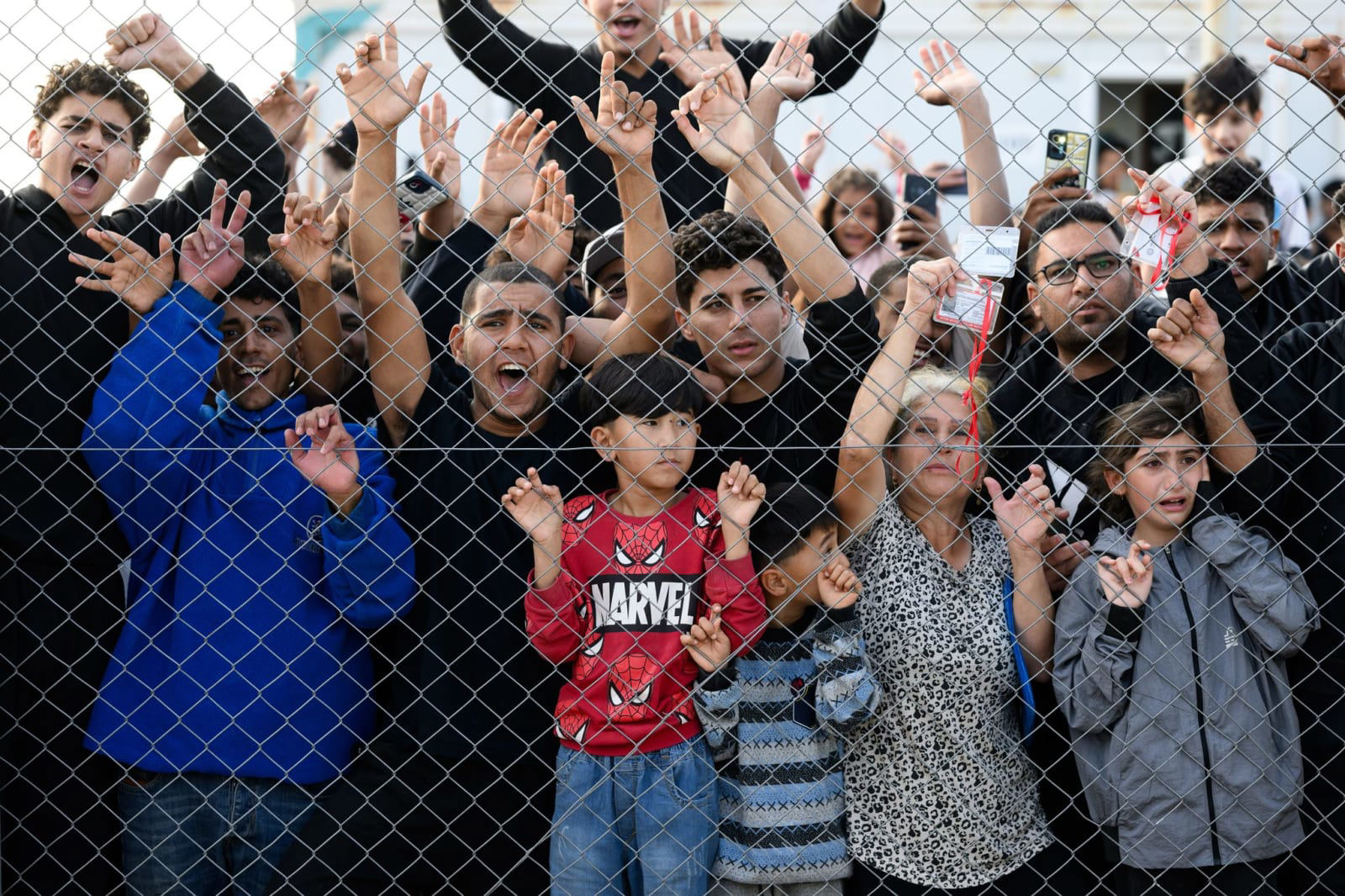
The development is intricately linked to the broader New Pact on Migration and Asylum, a comprehensive set of legislative reforms adopted to provide a more sustainable and predictable management of migration. These reforms, which have been negotiated over several years, emphasize increased cooperation between member states and third countries, as well as the implementation of stricter screening procedures at the EU’s external borders.
Human Rights Concerns and Institutional Response
The announcement of the return hubs has not been met with universal approval. Various non-governmental organizations and human rights advocates have expressed alarm, suggesting that such facilities could lead to the outsourcing of responsibility and potential infringements on the rights of individuals seeking protection. Concerns often cited by these groups include the standard of living within the hubs, access to legal counsel, and the risk of refoulement—the practice of forcing individuals back to countries where they may face persecution or harm.
In response to these concerns, EU officials have maintained that the implementation of these hubs will be strictly governed by international law and the principles enshrined in the European Convention on Human Rights. The European Commission has stated that any such facilities must ensure that the rights of migrants are protected throughout the return process, and that the procedures for reviewing asylum claims remain transparent and subject to judicial oversight. The discourse highlights the persistent tension between the EU’s mandate to maintain secure borders and its commitment to upholding international humanitarian standards.
Looking Ahead: Implementation and Oversight
As the European Union moves toward the operational phase of this policy, the focus will shift to the specific logistics of site selection, funding, and diplomatic agreements with third-party nations. The success of this initiative will likely depend on the ability of the EU to establish robust bilateral agreements that satisfy both European legal requirements and the sovereignty concerns of host countries. Member states are expected to continue their discussions on the technical specifications of these hubs in the coming months, with further updates anticipated from the European Council and the European Commission.
For those following these developments, official information regarding the evolution of these policies can be found through the European Union’s official portal, which provides comprehensive updates on legislative progress and institutional priorities. The debate is far from settled, and the implementation of these centers will likely remain a key topic of discussion during upcoming sessions of the European Parliament and ministerial meetings. We encourage our readers to share their perspectives on this complex issue in the comments section below, as we continue to track the legal and humanitarian implications of this significant policy shift.
Worth a look