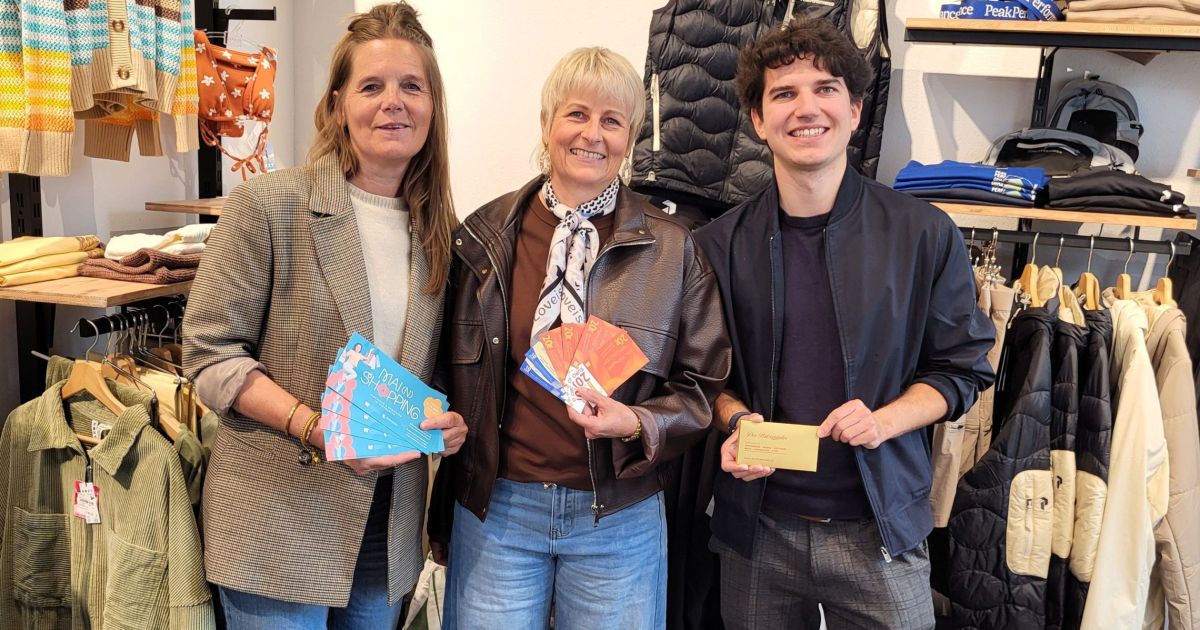
The vibrancy of regional commerce remains a vital indicator of community health and economic resilience in the Austrian Tyrol. Recent initiatives focused on local trade, such as those hosted by businesses in the Kitzbühel region, underscore the enduring importance of personal engagement, product quality and the diverse offerings provided by independent retailers. As the local economy continues to navigate shifting consumer trends, these community-led shopping events serve as a practical demonstration of how traditional brick-and-mortar establishments maintain their competitive edge in a globalized marketplace.
For small and medium-sized enterprises (SMEs) in tourism-heavy regions like Kitzbühel, the intersection of retail and hospitality is increasingly significant. Business owners are finding that fostering a personalized shopping experience—one that emphasizes the craftsmanship and regional identity of their inventory—is a key strategy for attracting both local residents and international visitors. This approach not only supports the regional supply chain but also preserves the unique cultural character that defines the Alpine shopping experience.
The Evolution of Regional Retail Dynamics
The regional retail sector in Austria has faced significant pressure from the rapid expansion of e-commerce and changing consumer demographics. However, business owners in districts such as Kitzbühel have demonstrated a consistent ability to adapt by leveraging their proximity to the customer. According to the Austrian Economic Chambers (WKO), which provides ongoing advocacy and support for the retail sector, the survival of local shops is increasingly linked to their ability to offer high-quality, curated products that cannot be easily replicated by mass-market online platforms.
The success of recent trade events illustrates a broader trend: the “experience economy.” Shoppers are increasingly seeking environments where the act of purchasing is secondary to the social interaction and the discovery of specialized goods. By hosting events that encourage community participation, local traders are effectively transforming their storefronts into social hubs, which helps in maintaining foot traffic and building long-term customer loyalty.
Strategic Importance of Local Trade Initiatives
Investment in regional trade is not merely about sales volume. it is about maintaining the aesthetic and social fabric of the town center. Local authorities and business associations have long recognized that a thriving retail environment is essential for the tourism industry, which remains a primary economic driver for the Kitzbühel area. The Kitzbühel Tourism Board frequently highlights the synergy between luxury retail, traditional craftsmanship, and hospitality as a cornerstone of the region’s international appeal.
When retailers coordinate to create shopping-focused events, they benefit from collective marketing, which lowers the cost of customer acquisition for individual shops. This collaborative spirit is a hallmark of the Austrian model of regional development, where businesses, despite being competitors, often align on initiatives that improve the overall attractiveness of their business district. This strategic alignment helps mitigate the challenges posed by large-scale retail developments and international e-commerce giants.
Key Factors Driving Retail Success in the Region
- Product Differentiation: A focus on unique, high-quality, and often locally sourced goods that appeal to a discerning clientele.
- Personalized Service: Building individual relationships with customers, a key differentiator that online retailers struggle to emulate.
- Community Integration: Aligning business operations with regional events, festivals, and the broader tourism calendar.
- Infrastructure and Accessibility: Maintaining an inviting and accessible town center that encourages pedestrian movement.
Looking Ahead: The Future of the Alpine Retail Landscape
As we look toward the remainder of the year, the stability of the retail sector will depend on continued efforts to bridge the gap between traditional retail and digital consumer expectations. While many regional shops have successfully integrated digital booking and information services, the primary value proposition remains the physical experience. Businesses that continue to prioritize the quality of their interactions and the authenticity of their product range are likely to remain the most resilient.

For stakeholders in the region, the next major checkpoint for assessing economic health will be the release of mid-year tourism and retail performance indicators from the regional statistical offices. These metrics will provide a clearer picture of how consumer spending has evolved in the face of broader European economic conditions. In the meantime, local retailers are encouraged to continue their engagement efforts, as these initiatives remain one of the most effective tools for maintaining community vitality.
We invite our readers to share their thoughts on the evolution of regional retail. How are local businesses in your area adapting to the digital age? Join the conversation in the comments section below.
Worth a look