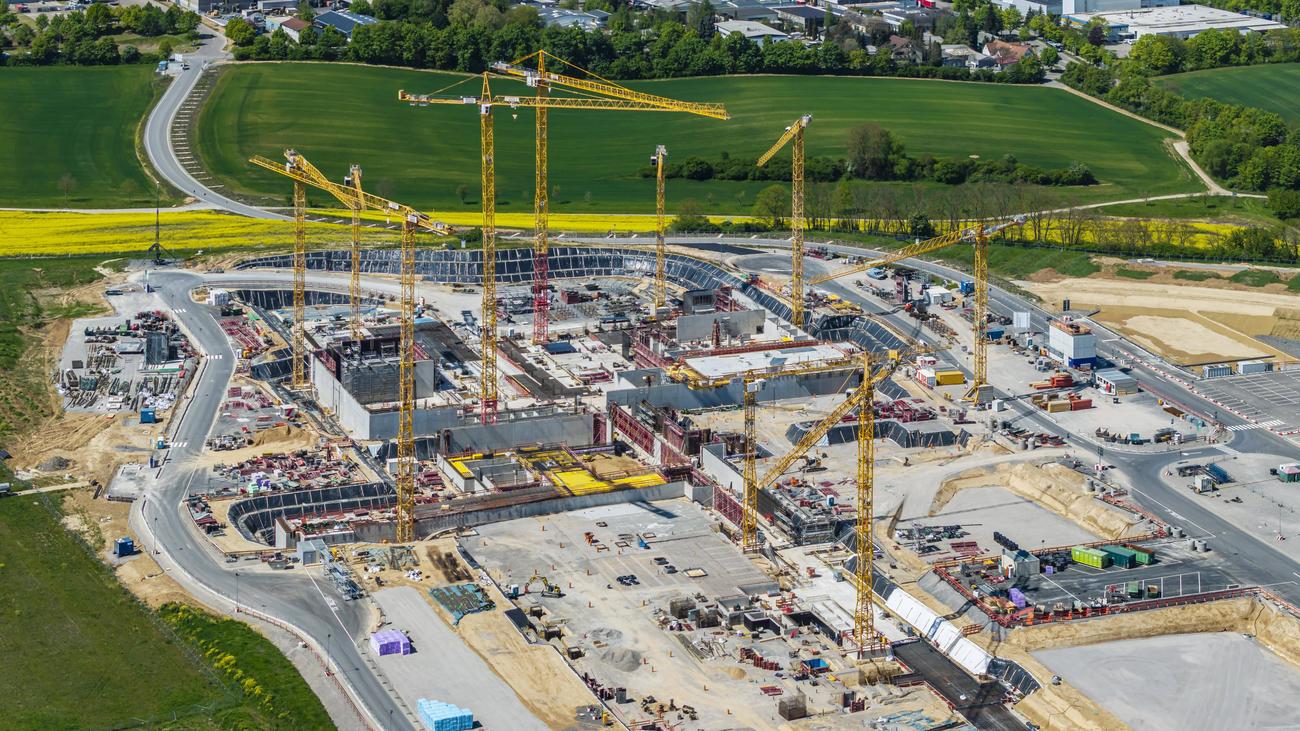
As the global digital landscape shifts under the weight of rapid technological advancement, the European Union is intensifying its efforts to secure what it defines as “digital sovereignty.” For years, the reliance on non-European providers for critical cloud infrastructure and artificial intelligence development has been a point of strategic concern in Brussels. Now, the bloc is accelerating initiatives to ensure that its digital future is not dictated by external dependencies, particularly those originating from the United States and China.
This push for digital infrastructure independence is not merely a matter of economic protectionism; it is a fundamental reassessment of security in an era where data is the most valuable currency. By fostering a domestic ecosystem for cloud services and artificial intelligence, the EU aims to protect its citizens’ privacy, uphold its stringent data protection standards, and ensure that European industry remains competitive on the global stage. The strategy involves a delicate balancing act: maintaining open global markets while building the necessary “strategic autonomy” to prevent critical service outages or foreign surveillance risks.
The Strategic Drive for European Cloud Sovereignty
At the heart of the EU’s agenda is the European Strategy for Data, which serves as the blueprint for creating a single market for data. The primary objective is to make data easily accessible and usable across the Union while ensuring that European companies retain control over their intellectual property and operational integrity. This involves moving away from the dominance of “hyperscalers”—the major US-based cloud service providers that currently hold a vast majority of the European market share.
To achieve this, the EU has championed initiatives like Gaia-X, a project designed to build a federated, open-source infrastructure for data and services. While not a cloud provider itself, Gaia-X provides the framework for interoperability, allowing businesses to switch between different cloud providers without being “locked in” to a single vendor’s proprietary technology. This shift is critical for European firms that must navigate the complex requirements of the General Data Protection Regulation (GDPR) while utilizing high-performance computing.
Scaling Artificial Intelligence within the EU
Artificial Intelligence has emerged as the most critical frontier in this quest for independence. The European Commission has recognized that without local access to high-end computing power, European startups and research institutions are often forced to rely on foreign infrastructure to train their large-scale models. To counter this, the EU has launched the AI Start-Up Initiative, which includes dedicated funding and access to the bloc’s supercomputing network.

A central component of this strategy is the “AI Factories” concept. These centers are designed to provide researchers and developers with the necessary hardware—specifically high-performance GPUs—to train advanced generative AI models. By leveraging the power of the EuroHPC Joint Undertaking, the EU is attempting to create a domestic pipeline that supports the entire lifecycle of AI development, from initial research to commercial deployment, all within the European regulatory environment.
Key Pillars of the EU Digital Strategy
- Regulatory Frameworks: The implementation of the EU AI Act, which establishes a risk-based approach to AI, ensuring that technology developed or used in Europe meets high safety and transparency standards.
- Infrastructure Investment: Significant financial commitments toward high-performance computing and quantum technologies to reduce reliance on non-EU hardware providers.
- Data Spaces: The creation of sector-specific common data spaces (e.g., for health, mobility, and energy) to facilitate data sharing among European entities, thereby fueling domestic innovation.
- Cybersecurity Standards: Strengthening the resilience of critical digital infrastructure against external threats, ensuring that European cloud services adhere to the highest security protocols.
The Challenges of Achieving Digital Autonomy
Despite the clear political will in Brussels, the path to digital independence is fraught with technical and economic hurdles. The sheer scale of investment required to match the infrastructure capabilities of major tech hubs in the US and China is immense. Critics point out that “sovereignty” should not come at the cost of innovation; if European companies are forced to use less efficient, more expensive local alternatives, they may struggle to compete globally.
the global nature of the internet and the interconnectedness of modern digital supply chains make total isolation impossible—and perhaps undesirable. The focus, has shifted toward “open strategic autonomy.” This means the EU seeks to be able to act independently when necessary, while still benefiting from international cooperation and trade. The challenge remains to ensure that European digital policy facilitates, rather than hinders, the scaling of the next generation of European tech giants.
Looking Ahead: What Happens Next
The coming months will be pivotal as the EU begins the rollout of its AI Factories and deepens its collaboration with member states under the Digital Decade policy program. Policymakers are keeping a close watch on the implementation of the AI Act, which is expected to influence global standards for AI governance. The next major milestone in this ongoing effort will be the upcoming progress reports on the 2030 Digital Decade targets, which will provide a clearer picture of how member states are aligning their national infrastructure with the broader European vision.

As we navigate this period of transition, the discourse surrounding digital sovereignty will continue to evolve. Whether the EU can successfully foster a robust, independent digital ecosystem remains one of the most significant geopolitical questions of our time. We will continue to track these developments as they unfold, providing analysis on how these policies impact the global digital economy and the future of cross-border technological cooperation.
What are your thoughts on the EU’s approach to digital independence? Does the pursuit of “sovereign” cloud infrastructure strike the right balance between security and innovation? Join the conversation in the comments below or share this article to help inform the debate.
Related reading