The European Commission’s proposed tax policy shifts are placing significant pressure on the Dutch taxation system, specifically targeting the treatment of substantial interests in Box 2 and wealth in Box 3. While some proponents suggest these changes could lower the burden on companies, recent reporting indicates the reforms may not act as a “miracle cure” for lower taxes and could cost the Dutch treasury hundreds of millions of euros in revenue.
The push for harmonization from Brussels aims to reshape how profits and wealth are taxed across the European Union. For the Netherlands, this creates a complex fiscal dilemma: balancing the desire to remain competitive for businesses with the need to protect national tax receipts. As the European Commission moves to refine profit taxation rules, investors are increasingly questioning whether current Dutch tax structures remain advantageous.
How do EU tax proposals impact Dutch Box 2 and Box 3?
To understand the current tension, it is necessary to distinguish between the two primary categories of Dutch taxation under scrutiny. In the Netherlands, “Box 2” refers to the tax applied to income derived from a substantial interest in a company, typically meaning an individual owns at least 5% of the shares. “Box 3” is the tax levied on the deemed return on savings and other investments, often described as a wealth tax.
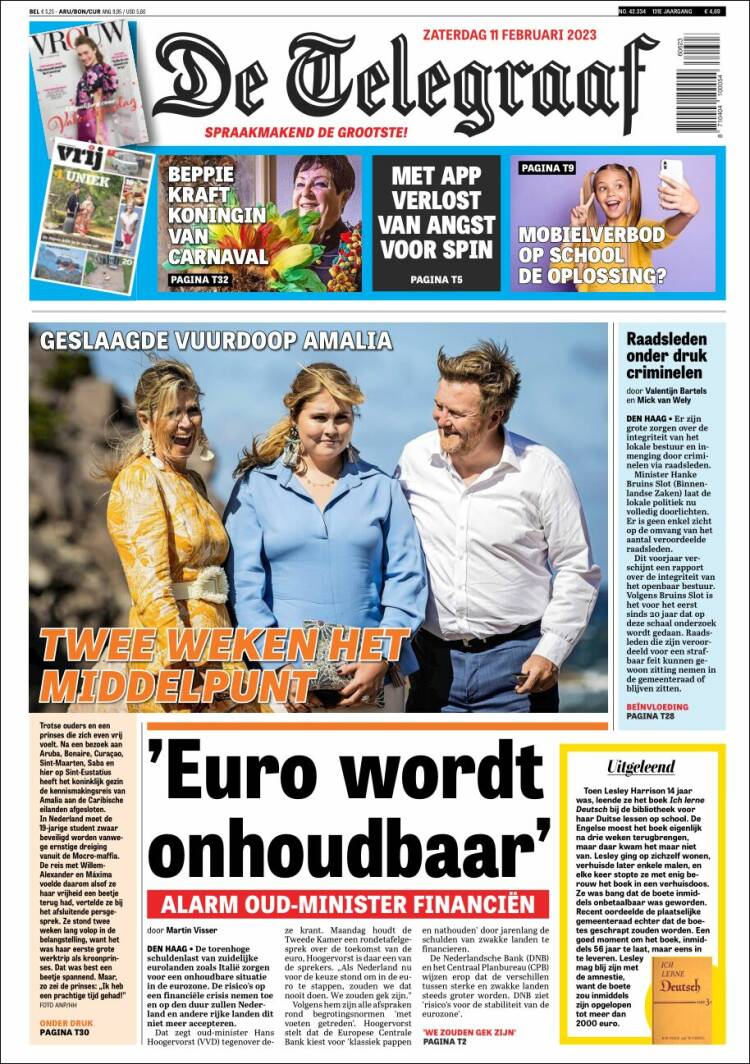
According to reports from De Telegraaf, the European Commission’s plans are placing Box 2 under intense scrutiny. The proposed changes seek to align how substantial interests are taxed with broader EU-wide corporate tax standards. This move aims to prevent tax competition between member states but complicates the existing Dutch framework. Simultaneously, pressure is mounting on Box 3, as investors weigh the benefits of remaining within the current wealth tax structure versus shifting their assets to avoid potential new burdens.
The core of the issue lies in the EU’s broader objective to create a more uniform tax landscape. By tightening rules around how corporate profits are recognized and taxed, the Commission intends to reduce the ability of companies to shift profits to lower-tax jurisdictions. However, for the Netherlands, which has historically maintained specific rules for substantial shareholders, this harmonization could fundamentally alter the fiscal landscape for entrepreneurs and investors.
Will the reforms actually lower taxes for investors?
There is significant debate regarding whether these regulatory shifts will deliver the intended relief for the private sector. While some political figures, including discussions involving EU Commissioner Wopke Hoekstra, have touched upon the idea of lowering taxes for companies to spur growth, the practical outcome for individual investors remains uncertain.
De Telegraaf has highlighted that these reforms are “not a miracle cure for lower taxes.” The complexity of the proposed rules means that any reduction in one area of taxation might be offset by new requirements or higher rates in another. For those holding substantial interests in companies, the transition to a more harmonized EU standard might not result in a net tax saving, especially if the Dutch government adjusts its own rates to compensate for lost revenue.
.png "Will the reforms actually lower taxes for investors?")
Investors holding assets in Box 3 are also facing a period of strategic uncertainty. As reported by Financial Focus, the question of whether investors should move out of Box 3 is becoming a central concern for wealth managers and high-net-worth individuals. The threat of “new setbacks” for Box 3 taxpayers, as noted by NRC, suggests that the current system of taxing deemed returns may undergo further adjustments to align with EU directives or to address legal challenges regarding the fairness of the tax.
What is the fiscal risk to the Dutch treasury?
The financial implications for the Netherlands are substantial. If the European Commission successfully implements its profit tax plans, the Dutch government may see a significant reduction in its tax base.
According to reporting by bnr.nl, the proposed EU plans regarding profit taxation could cost the Dutch treasury hundreds of millions of euros. This potential shortfall occurs because the harmonization of tax rules often targets the very loopholes and specific national arrangements that currently allow for higher tax collection in certain sectors. As the Netherlands aligns more closely with EU-wide minimums and standards, the ability to levy specific, high-yield taxes on corporate structures may diminish.
This creates a secondary conflict for the Dutch Ministry of Finance. To maintain public services and the national budget, the government may be forced to find alternative revenue streams, potentially increasing the tax burden on other sectors or individuals. This “tug-of-war” between EU-driven corporate tax competitiveness and national fiscal stability is a primary driver of the current political and economic tension in The Hague.
The following table summarizes the primary areas of impact currently under discussion:
| Tax Category | Primary Focus | Potential Impact |
|---|---|---|
| Box 2 | Income from substantial shares (≥5%) | Increased scrutiny and alignment with EU corporate standards. |
| Box 3 | Wealth and investment returns | Possible restructuring to meet EU standards or legal requirements. |
| Corporate Profit | Company-level taxation | Potential loss of hundreds of millions in revenue for the Dutch treasury. |
Why does this matter for the global economy?
The dispute between the Netherlands and the European Commission is a microcosm of a larger global trend: the move toward tax transparency and the reduction of national tax autonomy. As international bodies like the OECD and the EU push for a “level playing field,” traditional tax havens or countries with highly favorable specific tax boxes are losing their competitive edge.

For global investors, this means that tax planning can no longer rely solely on national-level loopholes. The “Brussels effect”—where EU regulations become the de facto global standard—suggests that the changes occurring in the Netherlands will likely mirror shifts in other European jurisdictions. This creates a more predictable, but potentially higher-cost, environment for international capital.
Furthermore, the tension highlights the difficulty of implementing “fairness” in taxation. While the EU aims to ensure large corporations pay their share, the unintended consequences often fall on the individual investors and small-to-medium enterprises that operate within these frameworks. The struggle to define what constitutes a “fair” tax on wealth versus a “fair” tax on profit remains one of the most significant challenges for modern economic policy.
The next major checkpoint for these developments will be the upcoming discussions within the European Council regarding the finalization of the profit tax directives. Stakeholders should monitor official European Commission publications and Dutch legislative updates for specific timelines on the implementation of these reforms.
Do you believe these EU tax reforms will help or hinder economic growth? Share your thoughts in the comments below and share this article with your network.
Keep reading