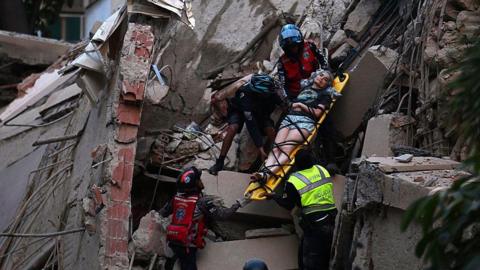
A series of powerful earthquakes struck Venezuela on June 24, 2026, causing widespread structural damage across the capital, Caracas, and prompting the government to declare a formal state of emergency. According to data from the Servicio Geológico Colombiano (SGC), the seismic activity involved two major tremors with magnitudes of 7.2 and 7.5, followed by more than 20 aftershocks that continued to rattle the region throughout the day.
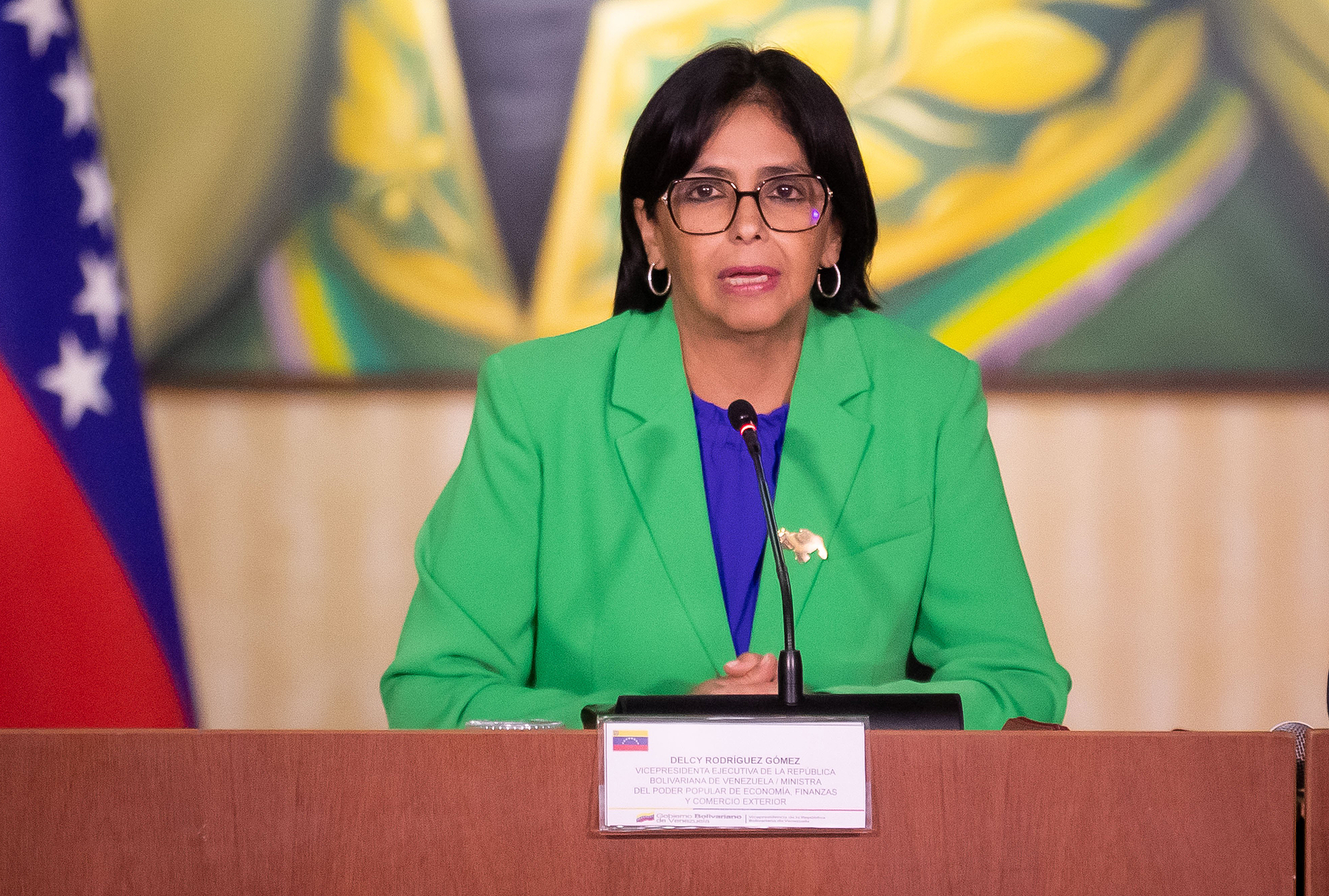
The seismic events, which occurred on a national holiday, sent thousands of residents into the streets as buildings swayed and power grids faltered. Vice President Delcy Rodríguez announced the state of emergency during a televised address, confirming that civil protection units and emergency response teams have been mobilized to assess infrastructure integrity and assist in rescue operations. The declaration provides the administration with expanded authority to deploy resources and coordinate humanitarian aid across the affected areas.
Geological Context and Seismic Activity
The Servicio Geológico Colombiano (SGC) confirmed that the tremors originated from a complex fault system that historically affects the northern coast of South America. The first major event, measured at magnitude 7.2, struck in the early hours, followed shortly by a more intense 7.5 magnitude quake that caused significant secondary damage to already weakened structures.
Geologists note that the region’s proximity to the Caribbean-South American plate boundary makes it prone to shallow, high-impact seismic events. The depth of these quakes, while not yet finalized in official reports, is considered a critical factor in the intensity of the shaking felt in Caracas. Residents reported widespread panic, with many describing a prolonged period of violent movement that lasted for several minutes, leading to the collapse of facades and localized power outages in high-density urban zones.
Government Response and Emergency Measures
Following the declaration of the state of emergency by Vice President Delcy Rodríguez, the government has focused on three primary areas: hospital stability, search and rescue, and the restoration of public utilities. Authorities have urged the population to remain outside of multi-story buildings until structural engineers can complete safety assessments.
The state of emergency, as outlined in official government communications, prioritizes the immediate deployment of the Venezuelan Armed Forces and the Civil Protection agency to clear debris from arterial roads in Caracas. While the government has not yet released a definitive tally of casualties, health officials have been instructed to activate emergency triage protocols in all major metropolitan hospitals. Citizens are advised to monitor official channels for updates regarding evacuation zones and the status of utility services, which remain intermittent in several sectors of the capital.
Public Impact and Ongoing Risks
The psychological impact on the population has been significant, with many residents sharing accounts of the event on social media platforms. The term “panic” has been frequently cited in local reports, as the timing of the quake—occurring during a public holiday—meant that many individuals were in high-traffic residential or commercial areas when the shaking began.

Aftershocks continue to be recorded, creating a volatile environment for ongoing rescue efforts. Seismologists warn that in the wake of a 7.5 magnitude earthquake, the potential for further structural failure remains high, particularly for buildings that sustained damage during the initial tremors. The Servicio Geológico Colombiano (SGC) continues to track the activity, and international agencies are monitoring the situation to determine if additional humanitarian support will be required in the coming days.
As recovery efforts move into the next phase, the government is expected to provide a detailed briefing on the extent of the damage to national infrastructure. Readers are encouraged to check local emergency broadcasts for real-time safety instructions and to avoid sharing unverified information regarding the number of casualties or the status of specific neighborhoods.
Related reading