The European Union is expanding its support for islands and coastal regions to address the simultaneous threats of climate change and rapid depopulation. According to reports from AP News, the EU’s strategy includes funding for essential infrastructure, such as desalination plants to secure freshwater supplies and housing projects designed to stabilize shrinking communities. These measures aim to mitigate the environmental and demographic crises currently destabilizing Europe’s maritime territories.
As rising sea levels and saltwater intrusion threaten the habitability of coastal zones, many European islands face a secondary crisis: the exodus of younger generations to mainland urban centers. This demographic shift leaves behind aging populations and hollowed-out local economies, making these regions increasingly vulnerable to environmental shocks. The EU’s targeted intervention seeks to provide the structural resilience necessary to keep these communities viable.
Why are EU islands and coastal areas at risk?
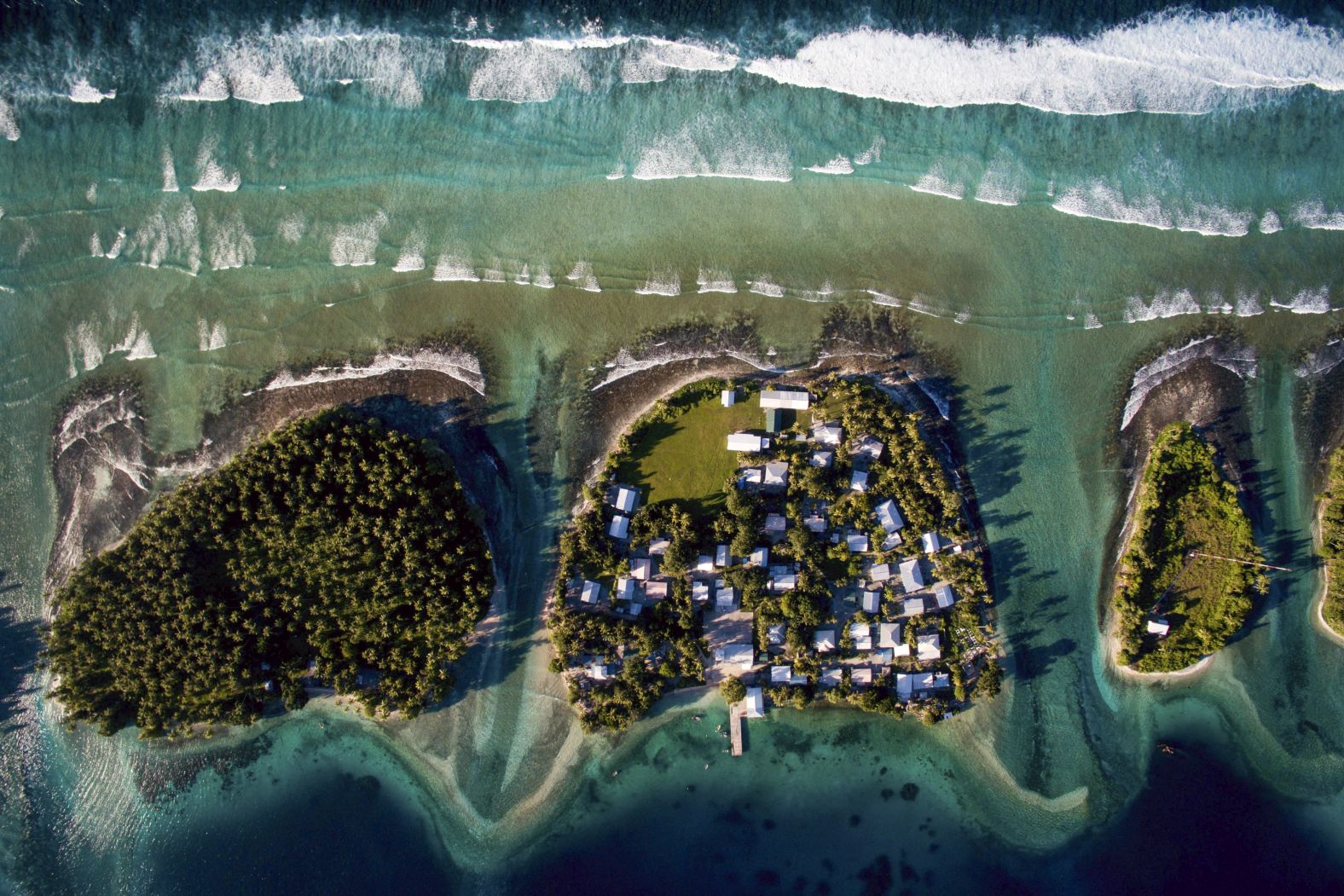
The vulnerability of Europe’s maritime regions stems from two distinct but interlocking pressures. First, climate change poses an existential threat to coastal geography. Rising sea levels increase the frequency of flooding and accelerate coastal erosion, while changing precipitation patterns lead to chronic water scarcity, particularly in Mediterranean island states. These environmental shifts directly impact the availability of drinkable water and the safety of existing settlements.
Second, these regions are experiencing significant demographic decline. As economic opportunities concentrate in large metropolitan hubs, younger residents frequently migrate away from islands and coastal towns. This trend results in a “brain drain” and a shrinking tax base, which in turn limits the ability of local governments to maintain essential services or invest in climate adaptation. The loss of human capital makes it harder for these areas to recover from natural disasters, creating a cycle of decline.
The intersection of these factors means that a community facing a severe storm surge or a prolonged drought is also a community with fewer resources and less labor to manage the recovery. This compounding effect is what has prompted the European Union to shift toward more integrated, multi-sectoral support models.
What specific infrastructure is the EU funding?
To counter these threats, the EU is prioritizing investments in two critical areas: water security and residential stability. The development of desalination facilities is a primary focus for regions where freshwater aquifers are being contaminated by seawater or depleted by drought. By investing in modern desalination technology, the EU intends to provide a reliable, weather-independent source of water for both human consumption and local agriculture.

In addition to water security, the EU is targeting housing shortages and the need for resilient construction. Many coastal areas suffer from a lack of affordable, climate-resilient housing, which discourages young families from settling in these regions. EU-supported housing initiatives aim to:
- Provide modern, energy-efficient homes that can withstand extreme weather events.
- Increase the availability of affordable housing to attract and retain local workers.
- Modernize aging infrastructure to ensure that coastal settlements remain connected to the broader European economy.
These infrastructure projects are often tied to broader EU environmental mandates, ensuring that new developments contribute to the Union’s long-term carbon neutrality goals while providing immediate relief to vulnerable populations.
How will these funds impact local economies?
The economic implications of these investments extend beyond simple construction. By stabilizing the population and securing essential resources, the EU aims to support the “Blue Economy”—a sector encompassing maritime activities such as sustainable fishing, aquaculture, and eco-tourism. A stable population provides the labor force necessary for these industries, while reliable water and housing infrastructure make these regions more attractive to investors.
The impact can be viewed through a comparative lens of regional needs:
| Region Type | Primary Climate Threat | Primary Demographic Threat | Key Infrastructure Focus |
|---|---|---|---|
| Mediterranean Islands | Water scarcity and drought | Youth emigration | Desalination and affordable housing |
| North Atlantic Coasts | Storm surges and erosion | Economic stagnation | Coastal defenses and flood-resilient housing |
| Low-lying Delta Areas | Sea-level rise and flooding | Relocation pressures | Water management and urban adaptation |
While the Mediterranean focuses heavily on water security, Northern European coastal regions often prioritize flood defenses and erosion control. However, the underlying goal remains consistent: creating an environment where economic activity can persist despite a changing climate.
What are the next steps for EU maritime policy?
The current push for island and coastal support is part of a larger evolution in the EU’s Cohesion Policy and the European Green Deal. Moving forward, the Union is expected to integrate maritime resilience more deeply into its regional development funds. This means that future funding will likely be contingent on a region’s ability to demonstrate both climate adaptation readiness and a strategy for demographic revitalization.
Official updates regarding the specific allocation of these funds are expected to be released through the European Commission’s regional development reports and upcoming sessions of the European Parliament. Stakeholders, including local municipal leaders and environmental NGOs, are currently monitoring these developments to ensure that the funds reach the most vulnerable communities effectively.
The next scheduled checkpoint for these initiatives will involve the review of regional development programs by the European Commission, which will determine the specific budgetary priorities for the next fiscal cycle.
Have thoughts on how the EU should balance climate adaptation with economic growth in these regions? Share your views in the comments below and share this article with your network.
Related reading