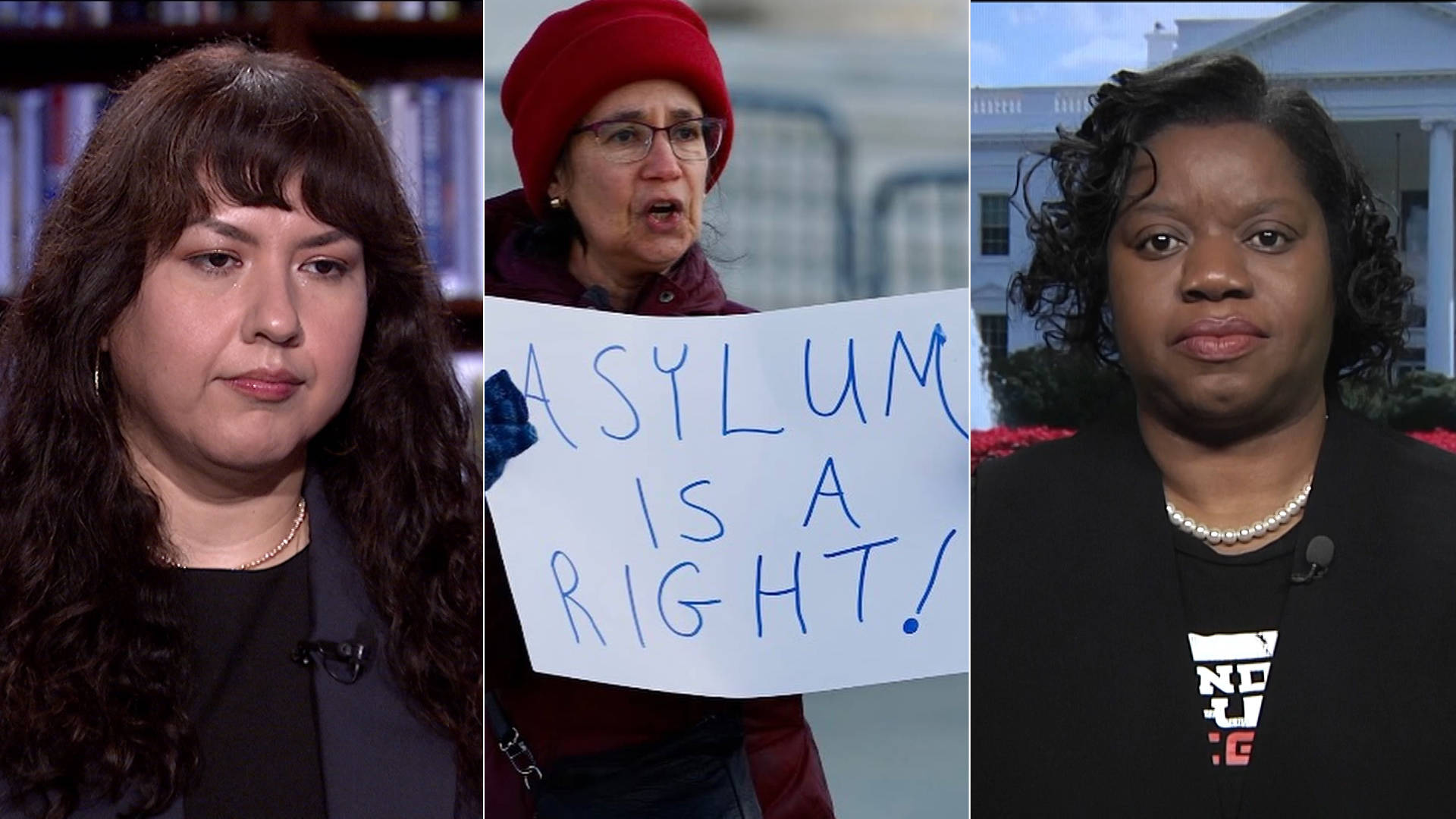
The U.S. Supreme Court ruled to allow the Trump administration to strip thousands of Haitians and Syrians living in the United States of “temporary protected status,” or TPS, effectively allowing the government to proceed with plans to end the humanitarian program. This legal development impacts individuals currently residing in the United States who have been granted protection due to ongoing war or natural disasters, according to official Supreme Court docket records.
Temporary Protected Status allows the U.S. government to grant protection from deportation to citizens of countries it believes are too unstable or dangerous to be returned to. The administration’s move to wind down these protections has sparked significant legal challenges from advocacy groups. As the legal status of these populations remains in flux, the broader impact on the U.S. labor force and the families of affected individuals continues to be a subject of intense debate among policymakers and civil rights organizations.
The Legal Framework of TPS Challenges
The core of the legal dispute involves the administration’s authority to rescind status for foreign nationals. Critics, including Lupe Aguirre of the International Refugee Assistance Project, have characterized the rescission of TPS as a targeted effort to restrict immigration pathways. According to statements provided by the organization, the policy shifts are viewed by advocates as an effort to feed the detention and deportation machine and a fulfillment of campaign promises to root out people that they see as undesirable.
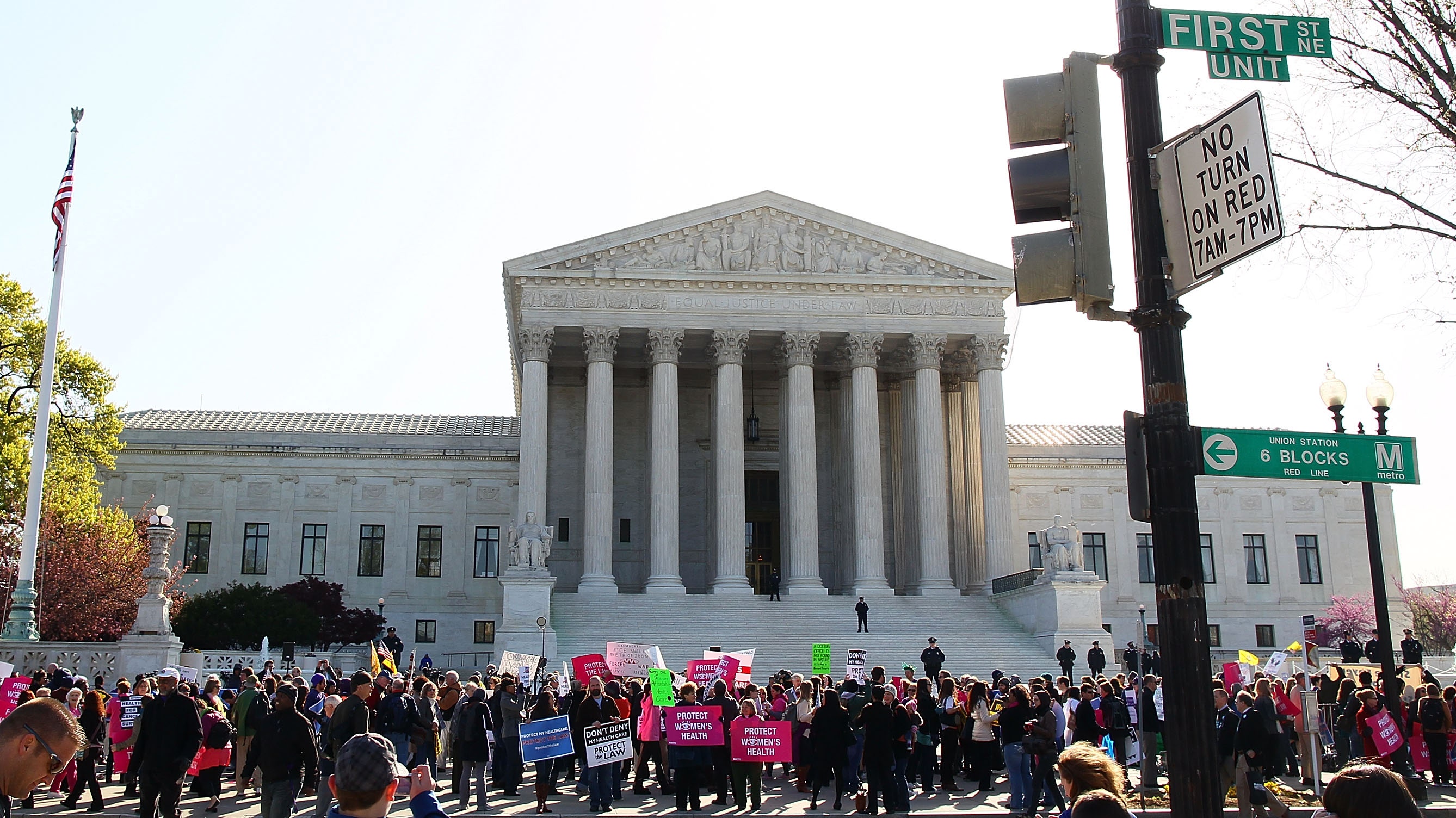
Economic and Social Implications
The potential loss of work authorization for TPS holders presents significant economic concerns. Guerline Jozef of the Haitian Bridge Alliance has emphasized that the removal of these individuals from the workforce could exacerbate existing labor shortages. “We are looking at the catastrophic deficit in the workforce in the United States if we allow this deportation machine and cruelty to take effect,” Jozef stated.
Beyond the economic impact, the human cost remains a primary concern for civil rights groups. The uncertainty surrounding their residency status has led to increased advocacy for legislative solutions. Proponents of the program argue that the conditions in countries like Haiti, which faces ongoing security and environmental instability, justify continued protection.
What Happens Next for Affected Populations
For those currently holding TPS, the situation remains fluid. Individuals affected by these changes are encouraged to monitor official government communications to ensure compliance with changing residency requirements and work authorization renewals.
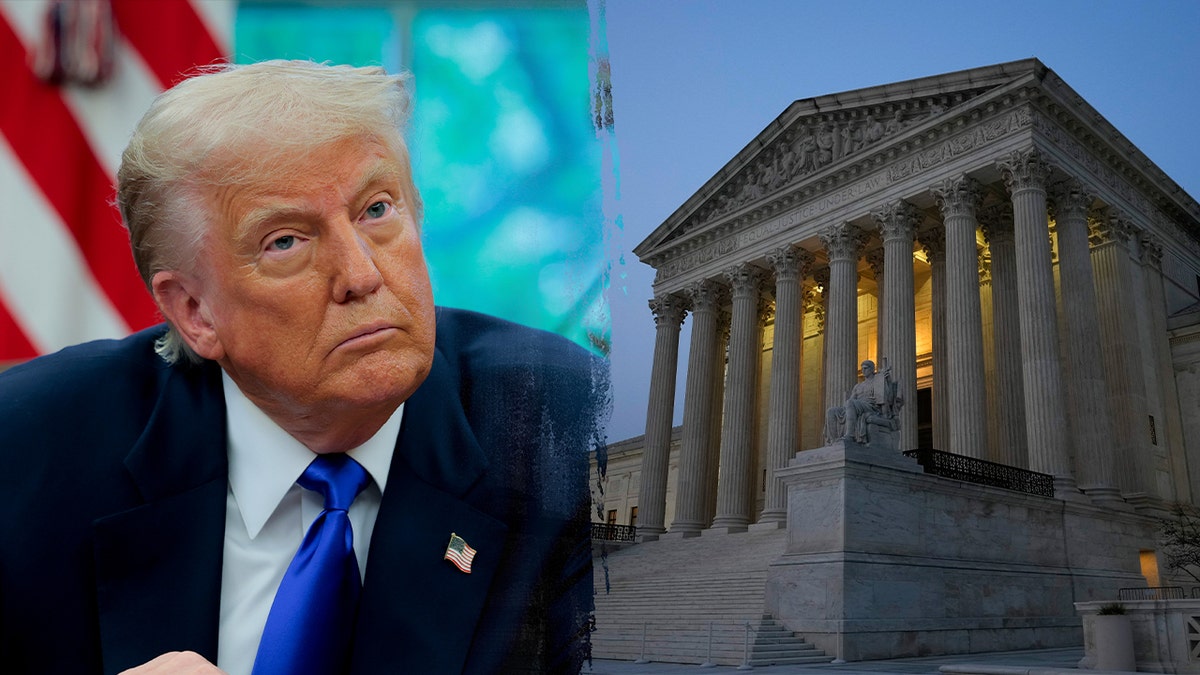
The interplay between ongoing litigation and executive-level designations means that the status of TPS holders is subject to change based on both court rulings and the administration’s foreign policy priorities. Stakeholders are advised to consult with legal counsel or official government resources to understand their specific rights and the current status of their home country’s designation.
As the legal and political debate continues, the future of these humanitarian protections remains a significant point of contention in the broader U.S. immigration policy landscape. Readers are encouraged to share their thoughts and stay informed on this developing story as new administrative filings become available.
- Massachusetts Teen Charged in Murders of Mother and Brother After Using ChatGPT to Plan ‘Fantasy’ Killings
- Dogs for Adoption in Jersey City: Meet Pets at Jersey City Animal Care and Control
- Ford to Shift Lincoln Production from China to US, Creating Thousands of Jobs (archynewsy.com)
- Iran Mocks Trump Over Secret Plane Switch Triggered by Missile Threat (time.news)