
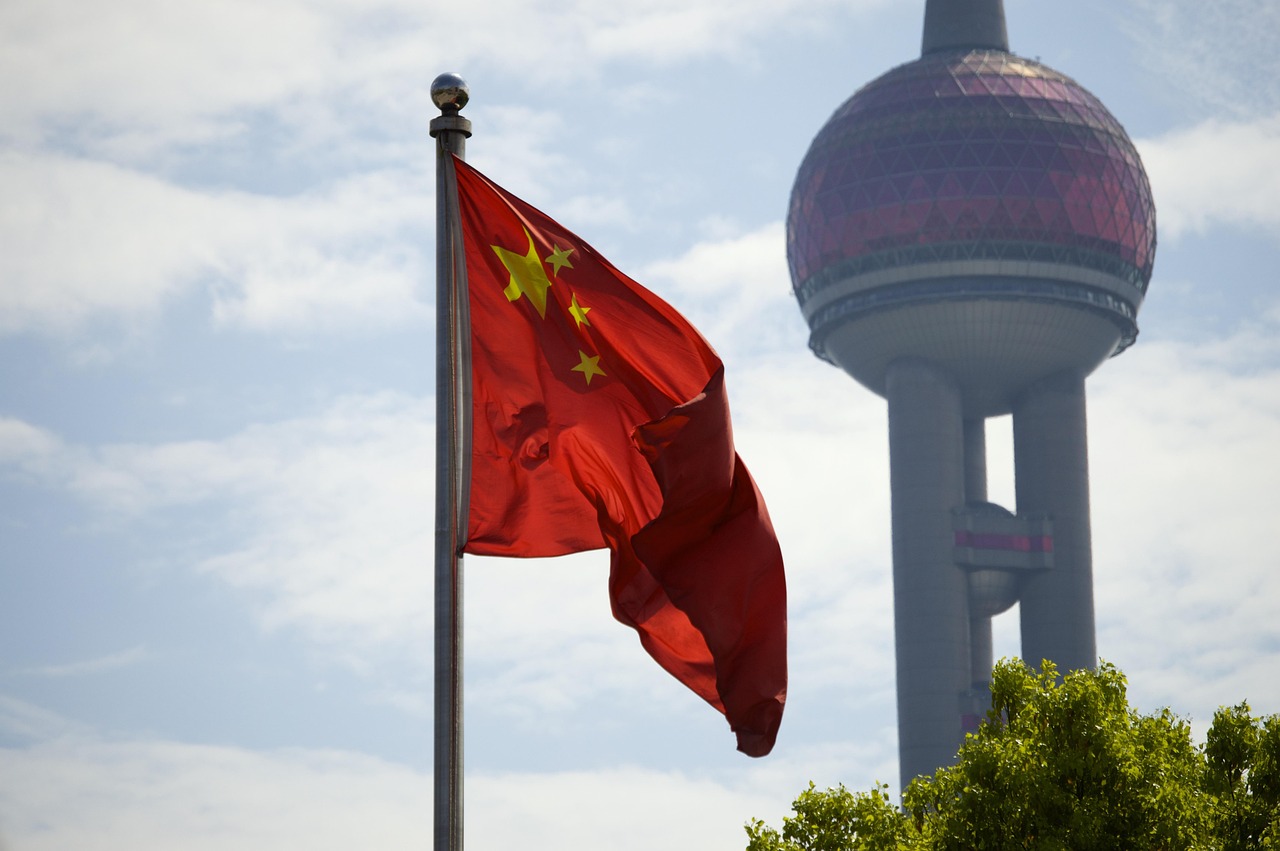
The European Union and United States signed an agreement on April 24, 2026 to coordinate on the supply of critical minerals needed for key industries including defense, as China’s dominance in this sector becomes a growing concern. The pact marks a significant development in transatlantic economic security cooperation, reflecting shared strategic interests in reducing reliance on single-source supply chains.
This agreement comes amid heightened global competition for essential materials used in technologies ranging from electric vehicles and renewable energy systems to advanced weaponry and semiconductors. Critical minerals such as lithium, cobalt, nickel, and rare earth elements are vital components in modern industrial and military applications, making supply chain resilience a priority for both Washington and Brussels.
The signing took place during a meeting between European Commission officials and U.S. Trade Representative representatives in Washington D.C., according to verified reports from France 24. The initiative builds on earlier discussions about strengthening economic partnerships to counterbalance China’s influential position in global mineral processing and refining capacities.
China currently controls approximately 60% of global rare earth element production and dominates processing for several other critical minerals, according to multiple industry analyses referenced in trade policy discussions. This concentration has raised concerns in both the EU and U.S. About potential vulnerabilities to supply disruptions or geopolitical leverage.
Strategic Context Behind the Minerals Agreement
The EU-US critical minerals coordination plan emerges from a broader reassessment of transatlantic relations following periods of tension during the Trump administration. European leaders have been evaluating ways to strengthen economic sovereignty while maintaining productive engagement with both Washington and Beijing, as noted in recent analyses from the Brookings Institution.
Simultaneously, the European Union has been weighing deeper engagement with China amid strained U.S.-Europe relations, according to Associated Press reporting from April 2025. This dual-track approach reflects Europe’s attempt to balance security concerns with economic opportunities in its relationship with the world’s second-largest economy.
The minerals agreement represents one concrete outcome of efforts to establish more resilient supply chains for technologies deemed essential to economic and national security. By coordinating exploration, processing, and recycling initiatives, the EU and U.S. Aim to diversify sources away from over-reliance on any single region.
Scope and Implementation of the Cooperation Framework
The April 2026 agreement focuses on information sharing, joint research initiatives, and coordinated investment in critical mineral projects across allied nations. Specific mechanisms include regular consultations between EU and U.S. Officials, alignment of funding programs for mineral exploration, and cooperation on developing environmentally sustainable extraction and processing technologies.
Industry stakeholders involved in the discussions represent sectors including defense contractors, automotive manufacturers, renewable energy companies, and technology firms—all of whom depend on steady supplies of materials like graphite for batteries, platinum group metals for catalytic converters, and rare earths for permanent magnets used in wind turbines and electric motors.
While the agreement does not establish a binding procurement quota or create a new international organization, it creates a structured dialogue intended to prevent duplication of efforts and identify complementary opportunities for collaboration. Officials from both sides emphasized that the framework remains open to participation by other like-minded countries seeking to strengthen critical mineral supply chains.
Implications for Global Technology and Defense Sectors
The coordination between the EU and U.S. On critical minerals has direct implications for industries advancing clean energy transitions and military modernization programs. Electric vehicle manufacturers, for example, require reliable access to lithium and cobalt for battery production, while defense contractors need stable supplies of materials used in avionics, communications systems, and precision-guided munitions.
Analysts note that successful diversification of supply chains could support mitigate price volatility and reduce risks associated with export restrictions or transportation disruptions. The agreement also aligns with broader industrial policies in both jurisdictions aimed at boosting domestic production capabilities while maintaining high environmental and labor standards.
Environmental considerations form part of the discussion, with both parties expressing interest in promoting responsible mining practices and advancing recycling technologies to recover critical minerals from end-of-life products. This circular economy approach could reduce pressure on primary extraction while addressing sustainability concerns.
Next Steps and Monitoring Mechanisms
The EU-US critical minerals cooperation framework includes provisions for semi-annual reviews to assess progress and adjust priorities based on evolving market conditions and geopolitical developments. The first review meeting is scheduled for October 2026, alternating between Brussels and Washington D.C. Venues.

Officials indicated that future agenda items may include expanding cooperation on critical mineral recovery from electronic waste, developing joint standards for responsible sourcing, and exploring trilateral partnerships with other economically advanced nations that share similar supply chain security objectives.
For ongoing updates on this initiative, interested parties can refer to official publications from the European Commission’s Directorate-General for Trade and the Office of the United States Trade Representative, both of which maintain public repositories of trade agreements and cooperation frameworks.
This developing transatlantic coordination on critical minerals reflects a pragmatic response to complex global interdependencies. As industries continue to evolve and strategic competitions shift, mechanisms like this agreement serve as tools for managing shared challenges while preserving economic competitiveness and security interests.
What are your thoughts on how nations should approach critical mineral security in an era of technological transformation and shifting global alliances? Share your perspective in the comments below, and consider sharing this article with others interested in international economic policy and technology supply chains.