
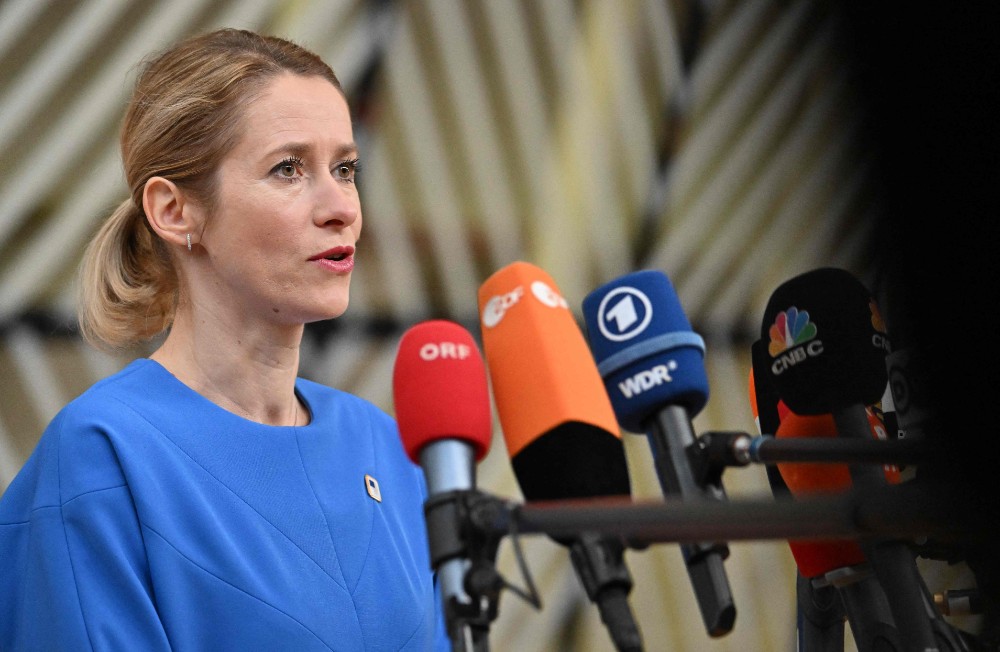
As the conflict in Ukraine continues to dominate the European security agenda, high-level discussions regarding the framework for any potential peace process have intensified. European leaders remain increasingly vocal about the risks of premature diplomatic engagement with Moscow, consistently framing such overtures as strategic traps rather than viable pathways to stability.
The discourse surrounding a prospective peace treaty has sharpened, with senior officials emphasizing that any resolution must be grounded in the restoration of territorial integrity and the long-term containment of further aggression. For many in Brussels and beyond, the primary concern is not merely the cessation of hostilities, but the prevention of a scenario that would allow the Russian Federation to consolidate its military gains under the guise of a negotiated settlement.
The Diplomatic Stance: Avoiding a Strategic Trap
European diplomatic circles have frequently characterized the current environment as one where the Kremlin lacks a genuine interest in a just or lasting peace. Instead, there is a prevailing view among many Western leaders that Moscow utilizes the rhetoric of diplomacy to buy time, regroup its forces, or sow division among international allies. This skepticism is not isolated; it reflects a coordinated effort to maintain a unified front in support of Kyiv’s sovereignty.

The European Union has consistently maintained that the burden of de-escalation lies with the aggressor. As noted in various policy briefings, the consensus among member states is that any meaningful dialogue cannot occur while one party continues to pursue an expansionist military campaign. The emphasis remains on the European Union’s unwavering support for Ukraine, which includes financial, humanitarian and military assistance aimed at bolstering the country’s defense capabilities until a sustainable security architecture can be established.
Defining the Parameters of Peace
For a peace agreement to be considered legitimate by the international community, it must adhere to the principles of international law. This includes the full withdrawal of occupation forces and the respect for internationally recognized borders. European officials have argued that any deal falling short of these benchmarks would merely serve as a temporary pause, leaving the door open for future instability.

The argument against rushing into negotiations is based on the assessment that Russia’s current strategic objectives have not shifted. By maintaining pressure through sanctions and continued support for Ukraine, the European Union aims to reach a point where the cost of continuing the war outweighs the perceived benefits for the Kremlin. This strategy, however, requires patience and a steadfast commitment from all 27 EU member states, as outlined in the official EU guidelines on support for Ukraine.
Key Considerations for Future Negotiations
- Territorial Integrity: Any agreement must recognize Ukraine’s sovereignty over its entire territory, as established by international law.
- Accountability: There must be mechanisms in place to address the atrocities committed during the conflict, ensuring that justice is pursued for the victims.
- Security Guarantees: Ukraine requires long-term security commitments to prevent a resurgence of conflict once the immediate fighting ceases.
- Economic Recovery: A framework for the reconstruction of Ukraine must be integrated into the post-war order, supported by international financial institutions.
The Path Forward
As of late May 2026, the diplomatic landscape remains complex. While the desire for peace is universal among European citizens, there is a clear distinction between a “just peace” and a “forced settlement.” The European Commission continues to monitor the situation, coordinating aid and political strategy to ensure that Ukraine remains in a position of strength should serious negotiations ever become feasible.

Looking ahead, the next significant checkpoint for European policy will likely involve the upcoming high-level summits where member states will review the effectiveness of current sanctions and the status of military aid packages. These meetings serve as a barometer for European unity and a signal to Moscow that the commitment to a rules-based international order remains resolute.
We invite our readers to share their perspectives on the evolving diplomatic situation in the comments section below. As this story develops, we will continue to provide updates based on official institutional statements and verified diplomatic reports.