
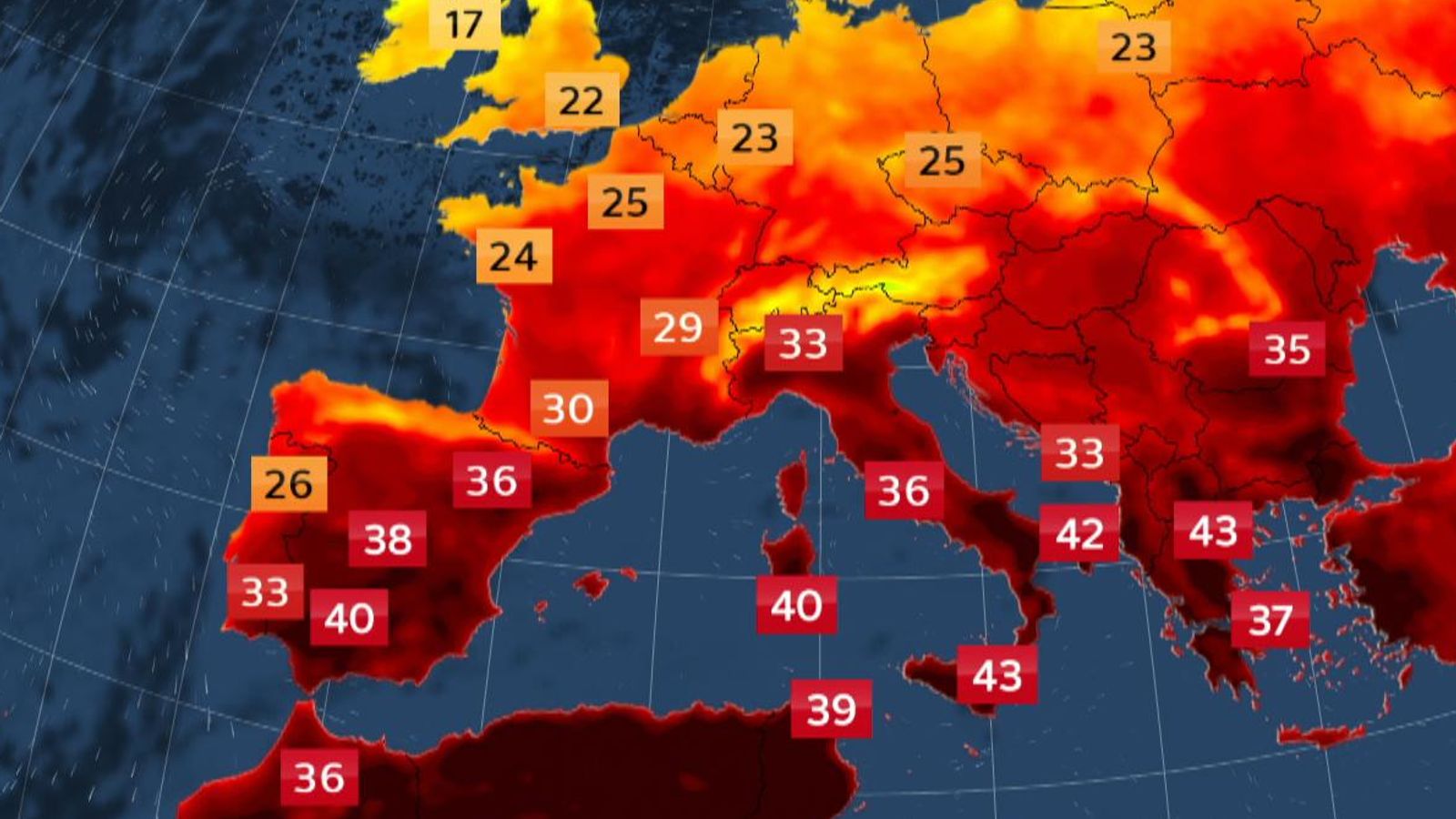
European authorities are struggling to manage a persistent and widespread heatwave that has triggered record-breaking temperatures across the continent, forcing governments to escalate public health warnings. As the sustained period of extreme heat continues, meteorologists and public health officials have raised the alarm regarding the health risks posed to vulnerable populations, particularly as maximum-alert status is declared in multiple regions to manage the surge in heat-related medical emergencies.
The current weather pattern, characterized by a stagnant high-pressure system, has pushed thermometers well above seasonal averages, according to data from the European Union’s Copernicus Climate Change Service. In France, the national weather agency, Météo-France, has implemented rigorous safety protocols as localized temperatures climbed toward historic highs, necessitating the deployment of emergency heat-reduction measures in urban centers. These measures are designed to mitigate the impact of prolonged thermal stress on public infrastructure and human health.
The Scope of the European Heatwave
The ongoing heatwave is not isolated to a single nation but represents a cross-border atmospheric event affecting large swaths of Southern and Central Europe. According to the World Meteorological Organization, the persistence of these conditions is linked to a “heat dome” trapping warm air, which prevents the usual cooling cycles typically expected during this time of year. Residents in affected areas have been advised by local health ministries to limit outdoor activity during peak daylight hours, stay hydrated, and monitor the welfare of elderly neighbors or those with pre-existing respiratory conditions.

In France, the government’s response includes the activation of the Plan Canicule, a national framework that mandates specific actions based on temperature thresholds. As reported by the French national public health agency, Santé Publique France, these actions include the opening of “cool rooms” in public buildings, the extension of municipal services, and the mobilization of social workers to conduct welfare checks on the most at-risk citizens. The intensity of this heatwave has surpassed previous meteorological markers for early-season thermal events, leading to a heightened state of preparedness across the country.
Public Health and Infrastructure Risks
The primary concern for regional authorities remains the physical toll of extreme heat on human health. Prolonged exposure to high temperatures can lead to heat exhaustion and heatstroke, conditions that place significant strain on hospital systems. Medical professionals emphasize that the lack of nighttime cooling is particularly hazardous, as it prevents the body from recovering from daytime thermal stress. Official guidance from the European Centre for Disease Prevention and Control suggests that the cumulative impact of such heat events often results in a measurable increase in excess mortality, particularly among individuals over the age of 65.
Beyond human health, infrastructure is also showing signs of strain. Rail operators across Europe have reported that extreme heat can cause tracks to expand, leading to speed restrictions and delays to prevent potential buckling. Similarly, energy providers are monitoring the electrical grid closely as demand for air conditioning and refrigeration surges, according to reports from the European Network of Transmission System Operators for Electricity. These operational challenges highlight the broader economic and logistical implications of shifting climate patterns on European society.
What Happens Next and How to Stay Informed
Meteorological forecasts from the European Meteoalarm platform indicate that while some regions may see a slight decline in temperatures, the risk of heat-related illness remains elevated until the current weather system fully dissipates. Citizens are encouraged to rely on official channels for updates rather than social media speculation. National weather services provide real-time interactive maps that detail the specific risk levels for each department or province, allowing residents to tailor their safety precautions to their immediate environment.
For those looking to track the progression of this weather event, the following resources are recommended for verified, localized updates:

- Météo-France: Provides hourly updates on heat alerts and safety recommendations for all French departments.
- Copernicus Climate Change Service: Offers broader analytical data regarding European temperature trends and climate anomalies.
- Local Municipal Websites: Often the most accurate source for the location of cooling centers and emergency assistance resources in specific towns and cities.
The next official status report from the European meteorological authorities is expected within the coming 24 hours, at which point government agencies will reassess whether to maintain, escalate, or downgrade the current alert levels. Residents should remain vigilant, follow the guidance of local civil protection units, and share this information with those who may not have access to digital updates. Please feel free to share your experiences or questions regarding local heat safety measures in the comments section below.