
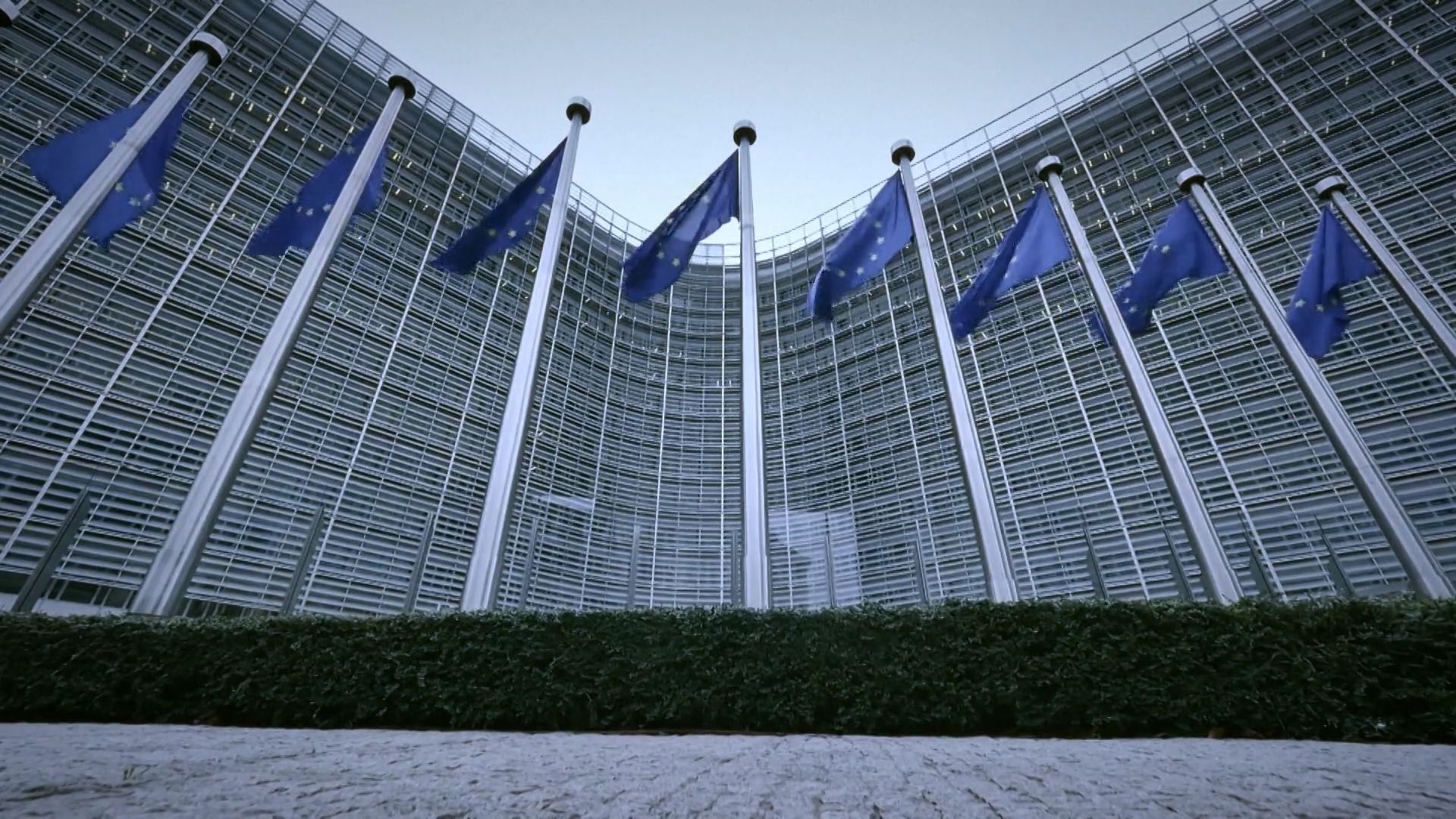
As the geopolitical landscape across the continent continues to evolve, the discourse surrounding European security and the potential enlargement of the European Union remains a focal point for policymakers. The current debate highlights a nuanced divergence in perspective between various member states regarding how the bloc should respond to ongoing conflicts on its periphery, particularly concerning the integration of nations currently engaged in active defense.
Recent high-level discussions among European leaders have underscored the complexities inherent in the accession process. While there is a shared commitment to regional stability, the consensus on the timeline and methodology for admitting new members—specifically Ukraine—reveals a cautious approach. European officials have emphasized that the pathway to membership is a rigorous, merit-based endeavor that cannot be bypassed or accelerated by artificial timelines, regardless of the urgent pressures presented by the security environment.
The Merit-Based Path to European Integration
During a recent summit held in Cyprus, the heads of state and government of the European Union reaffirmed the necessity of a structured accession process. The stance from major capitals, including Berlin and Brussels, remains consistent: the integration of any new candidate must be founded upon a “long and demanding” series of reforms. This approach serves to ensure that candidate countries align fully with the institutional, legal and economic standards required for full membership within the bloc.
For the European Union, the integrity of this process is paramount. By rejecting calls for expedited status, the member states aim to maintain the structural stability of the union. While formal negotiations may be on the horizon, the current focus remains on evaluating progress through established benchmarks rather than political expediency. This policy of “merit over speed” ensures that all prospective members undergo the same scrutiny, preserving the legal and democratic foundations of the European project.
Strengthening Cooperation Without Full Accession
While full membership remains a distant goal for some, the European Union has sought to implement intermediate measures to deepen ties with Kiev. These initiatives are designed to recognize the reform efforts undertaken by the Ukrainian government while stopping short of granting the rights and obligations associated with full state membership. Such measures include increased participation in specific European meetings and potential integration into the customs union.

These gestures serve a dual purpose: they provide tangible support to a partner in a critical state of transition while managing the political sensitivities that exist within the current European framework. The inclusion of candidate countries in consultative processes allows for a closer alignment of policies without compromising the decision-making autonomy of the existing member states. This strategy reflects a broader trend within the union to foster deeper cooperation and security partnerships in an increasingly volatile global environment.
Political Realities and Internal Challenges
The pursuit of a unified European position is not without internal challenges. Differences in national perspectives—often influenced by historical, geographical, and domestic political factors—continue to shape the debate. In some member states, there remains significant skepticism regarding the admission of a country currently involved in an active war, citing concerns over regional security and the potential for long-term economic strain on the union.
These political hurdles are reflected in the shifting dynamics within the European Council. Although there have been changes in leadership in several member states, the fundamental debate regarding the risks and benefits of rapid enlargement persists. The challenge for European leadership, is to balance the strategic imperative of unity with the practical limitations of integrating a nation under duress. The ongoing dialogue confirms that, while the commitment to supporting Ukraine is robust, the consensus on the mechanism of its future within the European Union remains a work in progress.
Key Considerations for European Security
- Accession Standards: The European Union maintains that all candidates must adhere to a strict, merit-based reform process, avoiding any “fast-track” approaches.
- Intermediate Integration: Efforts are underway to increase cooperation through customs union participation and consultative meetings, providing support without immediate full membership.
- Regional Perspectives: Diverse views among member states continue to influence the speed and nature of potential enlargement, reflecting varying national security priorities.
As the situation develops, the European Union is expected to continue its assessment of candidate reforms. The next formal updates on enlargement progress are anticipated following subsequent meetings of the European Council, where the strategic direction of the bloc will be further refined. We encourage our readers to share their perspectives on this complex issue in the comments section below as we continue to track the developments that shape our collective future.
