
The global aviation industry is currently navigating a volatile storm as conflict in the Middle East threatens the very lifeblood of flight: kerosene. What began as a geopolitical crisis has rapidly evolved into a logistical nightmare, with major carriers now warning that aviation fuel shortages could disrupt international travel on a scale not seen in decades.
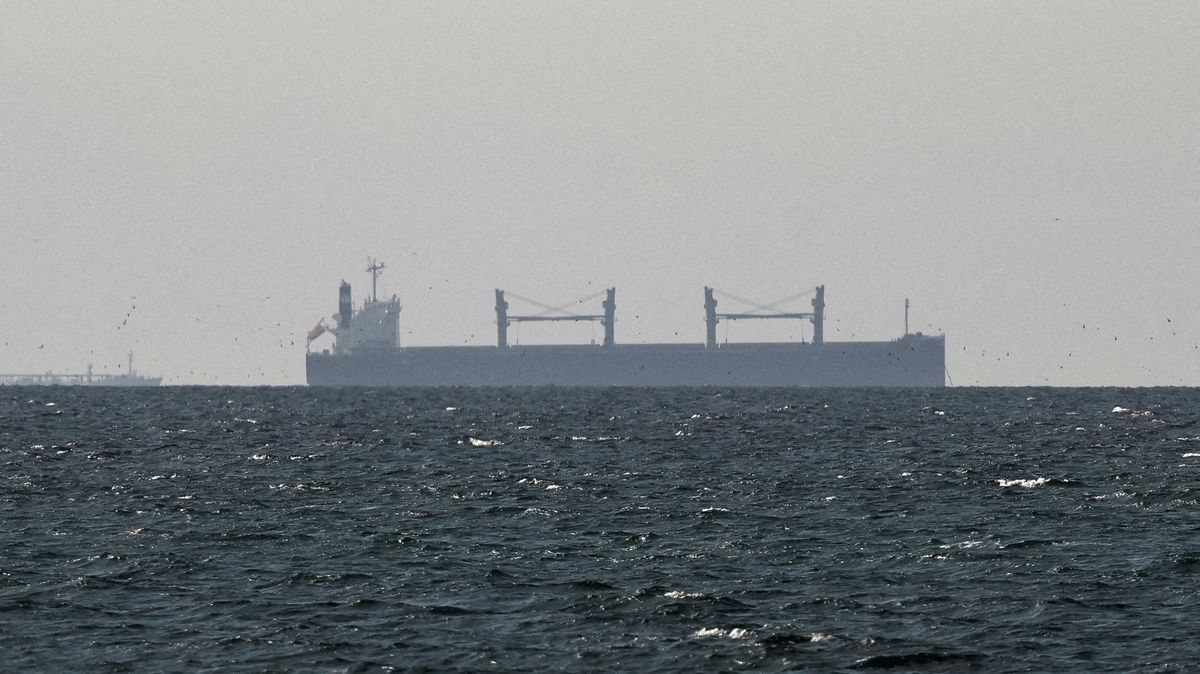
At the center of this crisis is the Strait of Hormuz, a narrow waterway that serves as the primary artery for the world’s oil exports. Since the onset of the Iran war, the passage has turn into increasingly perilous, leading to a near-total cessation of shipping through the corridor. This blockage has triggered a cascade of economic shocks, sending jet fuel prices skyrocketing and leaving airlines scrambling to secure enough propellant to keep their fleets airborne.
For the global traveler, the implications are immediate and stark. From the sudden unavailability of fuel at key Asian hubs to the looming threat of summer flight cancellations, the industry is bracing for a period of extreme instability. As a financial journalist who has spent nearly two decades analyzing global markets, I view this not merely as a temporary supply glitch, but as a systemic failure triggered by the intersection of energy dependence and geopolitical instability.
The situation has reached a critical point where the cost of kerosene is, in some contexts, becoming more precious than gold, forcing airlines to weigh the viability of their routes against the mounting cost of every gallon burned.
The Strait of Hormuz: A Global Chokepoint
The current instability is rooted in the strategic vulnerability of the Strait of Hormuz. This narrow passage in the Persian Gulf is vital for the global transport of oil and gas. However, since the beginning of the Iran war—precipitated by Israeli-American attacks on Iran on February 28—shipping through the strait has largely come to a standstill BR24.
Because such a significant portion of the world’s oil flows through this single point, the blockage has created a supply vacuum. The result has been a drastic spike in energy prices worldwide. Specifically, kerosene prices have surged by more than 100 percent in some instances, a figure that threatens to bankrupt smaller carriers and squeeze the margins of the giants t-online.
This is not just a matter of price, but of physical availability. When a primary shipping route is severed, the global distribution network cannot simply “pivot” overnight. The resulting shortages are already manifesting at the edges of the network, particularly at airports across Asia where the procurement of aviation fuel has become increasingly hard.
Lufthansa’s Warning and the Hedging Shield
The Lufthansa Group has been among the most vocal in sounding the alarm. Grazia Vittadini, the board member for Technology, IT, and Innovation, has warned that a prolonged conflict in the Middle East could lead to severe supply bottlenecks. In an interview with the Welt am Sonntag, Vittadini noted that the availability of flight fuel is already proving difficult at several Asian airports Der Standard.
From an economic perspective, the only reason Lufthansa’s passenger airlines have not yet collapsed under these price hikes is a strategy known as fuel hedging. Hedging allows airlines to lock in fuel prices for the future, protecting them from sudden market spikes. According to Vittadini, Lufthansa has a hedging quota of 80 percent for its fuel requirements for the current year, which has largely buffered the impact of the oil price surge for its passenger fleet BR24.
However, hedging is a shield, not a cure. While it manages the cost of the fuel, it does nothing to solve the availability of the fuel. If the kerosene physically does not exist at the airport, no amount of financial hedging can secure a plane off the ground. Vittadini has been clear: the longer the Strait of Hormuz remains blocked, the more critical the security of the kerosene supply becomes t-online.
Industry-Wide Tremors: Ryanair and the Summer Season
Lufthansa is not alone in its anxiety. The ripple effects of the aviation fuel shortages are being felt across the entire sector, including low-cost carriers who typically operate on thinner margins and may not have the same extensive hedging strategies as legacy carriers.

Michael O’Leary, the CEO of Ryanair, has already warned of the possibility of flight cancellations during the upcoming summer season. According to reports from Sky News, O’Leary indicated that between 10 and 25 percent of the fuel supply is currently endangered t-online.
For a budget airline, the combination of skyrocketing fuel costs and potential supply shortages is a dual threat. If Ryanair is forced to cancel flights in the peak of the summer travel window, it would signal a broader crisis for European tourism and air mobility. The risk is no longer theoretical; it is a operational reality that executives are now factoring into their seasonal planning.
The Collapse of Arabian Gulf Hubs
Beyond the fuel itself, the war in the Middle East has devastated the operational infrastructure of the region. Hubs at the Arabian Gulf, which previously served as critical transit points for East-West travel, are now barely usable BR24.
This loss of connectivity has forced airlines to reroute flights, often adding thousands of miles to journeys. These longer routes, in turn, require more fuel—fuel that is both more expensive and harder to find. This creates a vicious cycle: the conflict makes fuel scarce, and the conflict-driven rerouting increases the demand for that scarce fuel.
What This Means for Global Travelers
For the average passenger, this crisis will manifest in three primary ways: price, availability, and reliability.
- Rising Ticket Prices: Experts anticipate a significant increase in ticket fares as airlines attempt to pass the 100 percent increase in fuel costs onto the consumer BR24.
- Reduced Flight Offerings: With the Arabian Gulf hubs compromised and fuel uncertain, flight offerings toward Asia have already been significantly reduced BR24.
- Increased Cancellations: As warned by Ryanair, the summer season is under threat. Passengers may face sudden cancellations if fuel supplies at specific airports drop below critical levels.
The aviation industry is currently operating on a knife-edge. While the larger groups like Lufthansa have some financial protection through hedging, the physical reality of the Strait of Hormuz blockage is a problem that cannot be solved with a financial instrument. The industry is now entirely dependent on the geopolitical resolution of the Iran war to restore the flow of energy.
| Factor | Current Status | Direct Consequence |
|---|---|---|
| Strait of Hormuz | Largely blocked since Feb 28 | Global oil/gas transport halted |
| Kerosene Prices | Increased by >100% | Higher operating costs for airlines |
| Asian Airports | Difficult fuel availability | Potential for flight groundings |
| Gulf Hubs | Barely usable | Increased rerouting and travel time |
| Lufthansa Hedging | 80% quota for passenger fleet | Partial protection from price spikes |
The next critical checkpoint for the industry will be the monitoring of shipping activity through the Strait of Hormuz. Any sign of the waterway reopening could lead to a rapid stabilization of prices, but until then, the aviation sector remains in a state of high alert.
Do you believe airlines should be more aggressive with fuel hedging, or is the current crisis a wake-up call for a total shift in energy sources? Share your thoughts in the comments below.