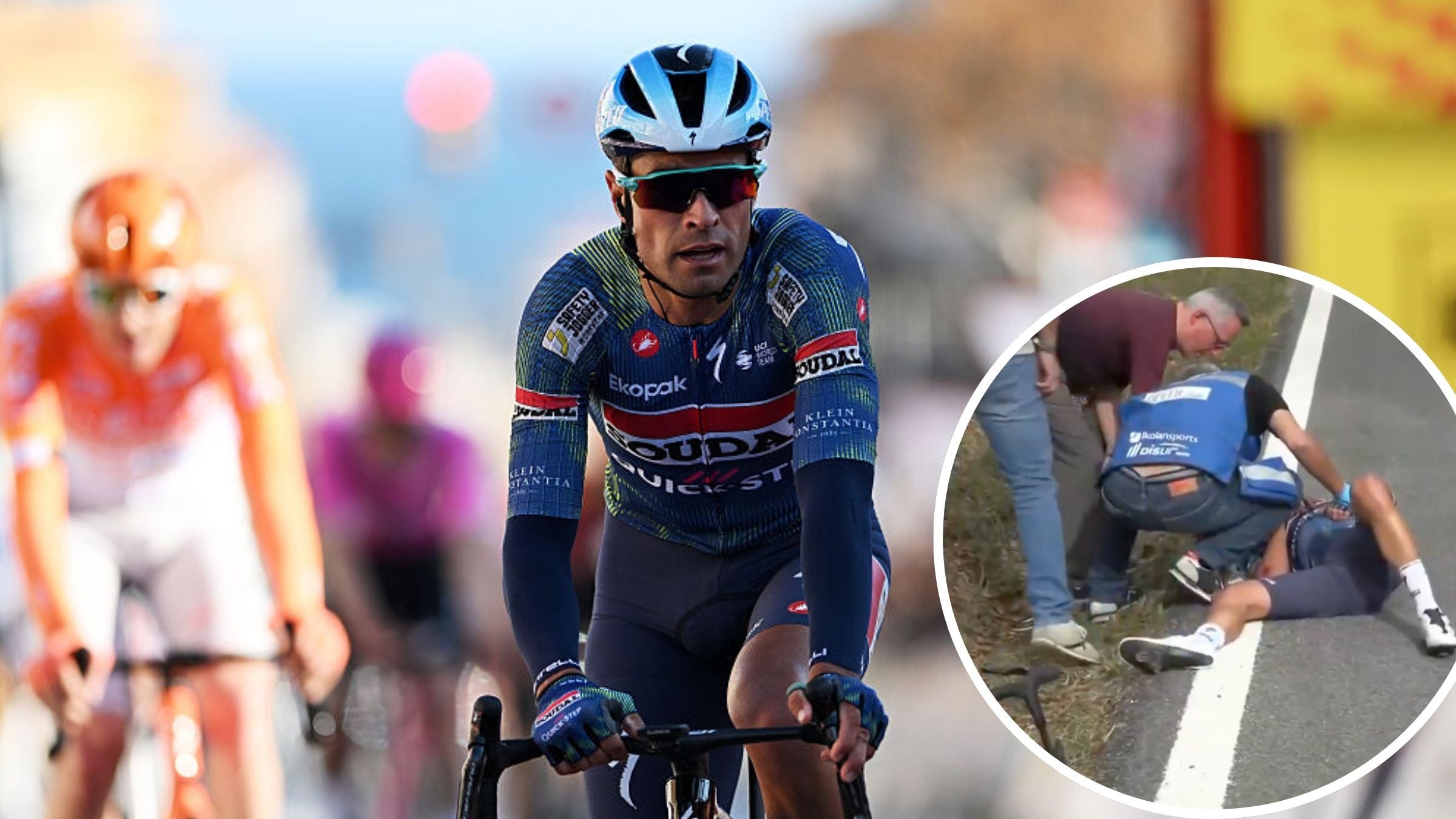
The professional cycling world is grappling with a serious safety breach after a medical car took out rider Mikel Landa during a high-speed descent at the Itzulia Basque Country race. The incident, which occurred during stage 2, has sparked outrage among team officials and raised urgent questions regarding the conduct of official vehicles within the racing convoy.
The collision happened as a medical car attempted a risky racing overtake, resulting in a crash that compromised Landa’s participation in the event. While initial reports indicated that Landa managed to finish the stage despite the bad crash, subsequent updates confirm that the rider was forced to abandon the race due to the incident CyclingUpToDate.com.
The fallout from the crash was immediate. The driver of the medical car has been booted from the event, but the disciplinary action has not pacified the affected team. CEO Foré has expressed livid frustration over the lack of accountability, stating that the team has not received a single apology following the accident CyclingUpToDate.com.
Controversy Over Official Vehicle Conduct
The incident highlights a recurring tension in professional road racing: the balance between the necessity of support vehicles and the safety of the athletes. Medical cars are designed to provide rapid response and life-saving interventions, but in this instance, the vehicle’s attempt to navigate the peloton via a “risky racing overtake” resulted in a direct collision with Landa.
Foré, the team CEO, has been vocal about the disregard for rider safety. The assertion that no apology has been issued suggests a breakdown in communication and professional courtesy between the race organization and the competing teams. This lack of remorse has amplified the anger surrounding the event, as the medical car—a vehicle intended to ensure safety—became the primary cause of a rider’s crash and subsequent withdrawal.
The Impact on Mikel Landa
Landa’s experience during stage 2 of the Itzulia Basque Country was a rollercoaster of resilience and misfortune. While early reports suggested he had the fortitude to finish the stage immediately following the crash, the severity of the impact eventually led to his abandonment. High-speed descents are among the most dangerous sections of any cycling race, and the introduction of an errant vehicle in such a high-stakes environment significantly increases the risk of catastrophic injury.
The abandonment of a rider of Landa’s caliber is a significant blow to his team’s strategy for the race. Beyond the physical toll, the psychological impact of being taken out by an official vehicle adds a layer of frustration that differs from a standard racing accident.
Systemic Safety Concerns in the Peloton
This event is being viewed as the latest case of official vehicles compromising rider safety. The “convoy”—the string of team cars, medical vehicles, and press motorcycles—is a complex ecosystem where timing and positioning are critical. When a driver prioritizes speed or positioning over the safety of the riders, the consequences can be career-altering.
The removal of the driver from the event is a standard procedural response, but critics argue that such actions are often insufficient. The demand for a formal apology and a review of driver protocols reflects a broader desire within the sport for stricter accountability for those operating vehicles within the race bubble.
Key Takeaways from the Itzulia Incident
- The Event: Mikel Landa crashed during a high-speed descent in stage 2 of the Itzulia Basque Country.
- The Cause: A medical car performed a risky overtake, resulting in a collision with the rider.
- The Outcome: Landa was forced to abandon the race; the medical car driver was removed from the event.
- The Reaction: Team CEO Foré has condemned the incident, citing a complete lack of apologies from the organizers.
As the race continues, the focus remains on how the organization will address the grievances of the affected team and what steps will be taken to prevent similar occurrences in future stages. The cycling community awaits further official statements regarding the driver’s conduct and any potential changes to vehicle protocols during high-speed descents.
We welcome your thoughts on this incident in the comments below. Please share this story to bring more attention to rider safety in professional cycling.