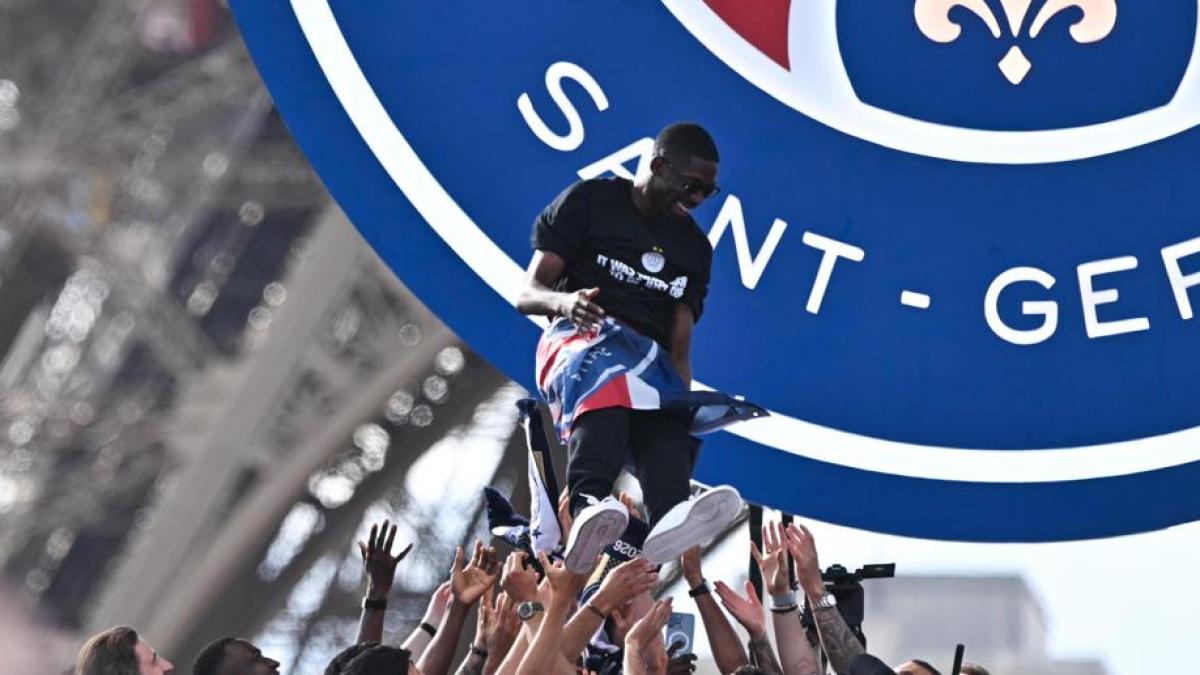
The streets of Paris recently experienced a sharp contrast in atmosphere, moving from a period of intense public disorder to a moment of high-profile celebration. Following a significant victory for Paris Saint-Germain (PSG), the city saw a massive gathering of supporters, an event that unfolded with a level of orderliness that stood in stark contrast to the unrest reported in the immediate aftermath of the club’s recent triumph.
For those tracking the intersection of sports, urban security and public policy, the events in the French capital serve as a notable case study in crowd management. While reports from various sources indicated that the initial celebrations were marred by conflict—resulting in hundreds of arrests and reports of injuries—the subsequent official reception at the presidential palace proceeded with formal decorum. This transition highlights the ongoing challenges authorities face in balancing large-scale public expressions of fan enthusiasm with the maintenance of civil order.
The Shift from Public Unrest to Official Recognition
The environment in Paris during major athletic celebrations remains a focal point for security services. In the wake of the recent PSG victory, international attention was drawn to the scale of the police response. According to reports from the French government’s official communication channels, the management of large crowds in urban centers like Paris involves complex coordination between the Prefecture of Police and municipal authorities to ensure public safety during high-stakes events.

The contrast between the chaotic scenes reported by local news outlets and the controlled environment of the presidential courtyard underscores the multifaceted nature of these celebrations. When the team arrived at the Élysée Palace to meet with President Emmanuel Macron, the event was conducted under strict security protocols. Such receptions are a standard tradition in France, where the head of state honors national achievements, though the security requirements for such events often necessitate significant deployment of law enforcement to manage the surrounding perimeter.
Managing Large-Scale Urban Celebrations
Large-scale sporting events in Paris require a delicate balance of policing strategies. The events following the PSG triumph saw a significant police presence, with authorities acting to contain incidents that threatened public property and safety. The Ministry of the Interior consistently emphasizes that the primary objective during such gatherings is the protection of citizens while allowing for the expression of public sentiment, a task that becomes increasingly tricky as crowd sizes grow into the tens of thousands.
The situation in Paris also reflects a broader trend seen in major European cities, where the intersection of professional sports and public life frequently tests the limits of urban planning and emergency response systems. The ability of the city to pivot from a night of confrontations to a structured presidential reception demonstrates the institutional capacity to restore order, though the human and economic costs of the preceding unrest remain a subject of debate among city officials and the public.
Institutional Protocols and Public Safety
When high-profile figures or teams are hosted at the seat of government, the logistics involved go well beyond simple ceremony. These events are planned in coordination with the President’s security detail and local police, ensuring that the transition from public celebration to private reception is seamless. The protocol for such visits, as outlined in official guidance from the Élysée Palace, involves rigorous vetting and controlled access to the main courtyard, which serves as the primary gateway for dignitaries and honored guests.
For the residents of Paris, the experience of these celebrations is often defined by the visibility of security personnel. While the majority of fans participate peacefully, the actions of a minority can disrupt the event, leading to the types of confrontations that necessitate significant police intervention. The focus for future events, as indicated by recent statements from regional authorities, will likely remain on early intervention and the dispersal of potentially volatile groups before they can escalate into widespread disorder.
Looking Ahead: Ensuring Secure Public Gatherings
As Paris prepares for future high-profile events, the lessons learned from the recent PSG celebrations will undoubtedly inform subsequent security planning. The city’s ability to manage the movement of 100,000 fans—even when some segments of that crowd engage in disruptive behavior—is a testament to the effectiveness of current deployment strategies. However, the persistent challenge remains the prevention of property damage and ensuring that the enthusiasm of the majority does not create an environment that facilitates the actions of those intent on causing harm.

Official updates regarding future sporting celebrations and public safety guidelines are regularly published by the Prefecture of Police. Residents and visitors are encouraged to monitor these channels for information on traffic restrictions, safety zones, and public transport adjustments during major events. As the city continues to host international-scale gatherings, the focus will remain on refining these strategies to ensure that the excitement of sport is matched by the safety and security of the urban environment.
We invite our readers to join the conversation regarding the future of urban security and public celebrations. How can cities better facilitate fan engagement while minimizing the risk of disorder? Please share your thoughts and perspectives in the comments section below.
Worth a look