The logistical demands of the European Union’s dual-seat arrangement have long been a subject of debate within the bloc’s institutions. Recently, concerns have surfaced among European commissioners regarding the practicalities of traveling to the European Parliament in Strasbourg using electric vehicles. For officials navigating the distance between Brussels and the French city, the transition to sustainable transport has highlighted ongoing challenges related to travel duration and infrastructure requirements.
As the European Union continues its efforts to align institutional operations with its broader climate objectives, the move toward electric vehicle fleets for staff and officials is a key component of its green transition strategy. However, the requirement for frequent travel between the European Commission’s headquarters in Brussels and the Parliament’s seat in Strasbourg—a journey of approximately 450 kilometers—has introduced new variables into the scheduling of legislative sessions and official duties.
Logistical Realities of the Brussels-Strasbourg Route
The journey between the two cities is a staple of the European legislative calendar, yet it remains a point of contention due to the time investment required for transit. When relying on electric vehicles, the necessity of charging stops can extend the total travel time significantly. Reports from within the commission indicate that some officials have noted the journey can extend to seven hours depending on traffic conditions and the efficiency of the charging network along the route.
For those managing the high-pressure environment of EU policy-making, where time is a premium commodity, these travel durations present a recurring administrative hurdle. The European Commission has consistently emphasized that it aims to balance its environmental commitments with the need for operational efficiency. According to the official European Union news portal, the commission is currently focused on maximizing the effectiveness of its global humanitarian aid and internal processes, a priority that extends to how its own institutions function.
The Green Transition and Institutional Policy
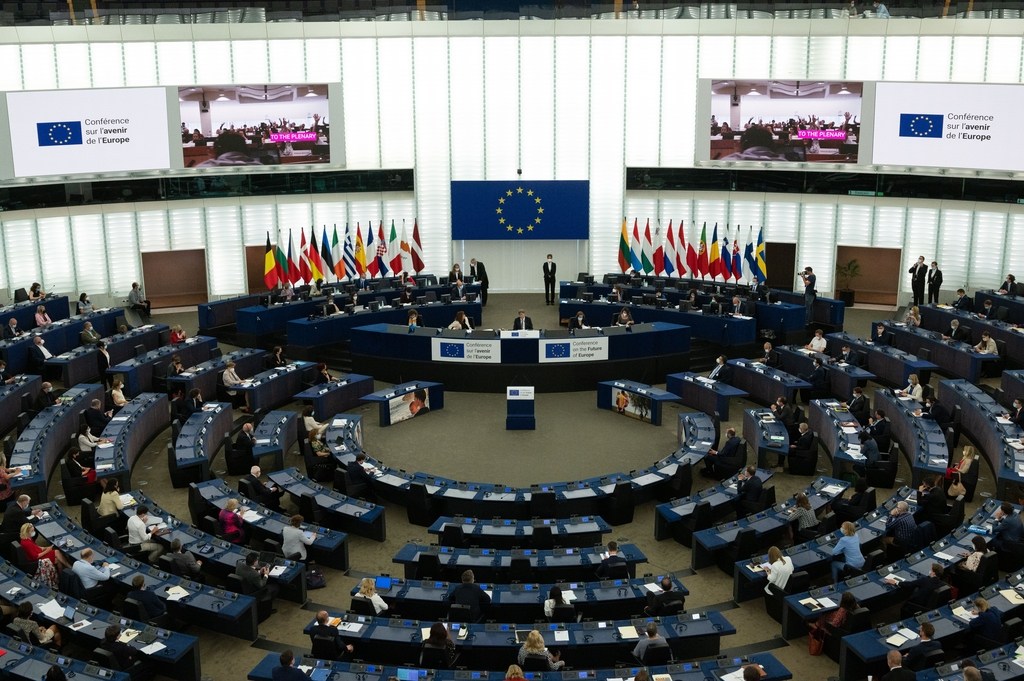
The push for sustainable mobility is part of the wider European Union priorities for 2024–2029, which include establishing a more competitive and secure Europe. While the adoption of electric vehicles is a standard practice for many public and private organizations across the continent, the specific geography of EU operations creates a unique scenario. The European Parliament itself is spread across three main locations—Brussels, Strasbourg, and Luxembourg—a structure that necessitates significant travel for thousands of officials, assistants, and legislative staff each month.
The debate surrounding these travel times often centers on the “single seat” argument, which has been advocated by various members of the European Parliament for years. Proponents of consolidating the parliament in Brussels argue that ending the monthly migration to Strasbourg would drastically reduce the institution’s carbon footprint and save millions in taxpayer funds. Conversely, the seat of Strasbourg is enshrined in the EU treaties, meaning any change to the location would require a unanimous decision by all member states, a high threshold that has yet to be met.
Infrastructure and Future Outlook
As the electric vehicle market matures, the range and charging speeds of new models are expected to improve, potentially mitigating the time concerns currently cited by commissioners. Investments in high-speed charging infrastructure along major European transit corridors are a priority for the European Commission, which seeks to ensure that the transition to electric mobility is feasible for all citizens and institutions alike.
In the interim, the discussion serves as a microcosm of the broader challenges facing the European continent. With 50 nations and a population of just under 750 million people, Europe is managing a complex transition toward a more integrated and sustainable future. The logistical friction experienced by officials on the road to Strasbourg reflects the ongoing tension between historic institutional arrangements and the modern imperative to reduce environmental impact.
Key Considerations for EU Travel Policy
- Regulatory Constraints: The dual-seat requirement remains a treaty-based obligation that influences all travel logistics.
- Sustainability Goals: The European Commission’s commitment to carbon neutrality requires a shift in transport procurement, even when it creates short-term logistical delays.
- Technological Evolution: Future improvements in battery technology and charging speed are anticipated to address the current time-related grievances.
As the European Union moves forward, the focus remains on ensuring that its institutions remain effective and responsive to the needs of its citizens. Whether through policy reform or technological adaptation, the management of institutional travel will continue to be a subject of internal review. For the latest updates on institutional policy and official announcements, readers are encouraged to consult the official European Union website.

We welcome your thoughts on how the European Union should balance its green transition with the practical needs of its legislative body. Please share your perspectives in the comments section below.
Worth a look