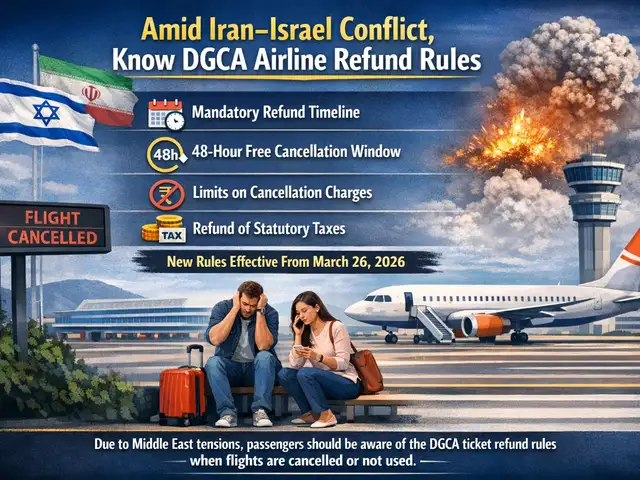
Travelers across the continent are facing a grim outlook for their summer plans as the aviation industry warns that rising ticket prices have become “inevitable.” The surge is driven by a volatile oil supply shock and skyrocketing jet fuel costs stemming from the ongoing conflict involving Iran.
The volatility in the energy market is creating a ripple effect through the aviation sector, forcing carriers to choose between absorbing unsustainable costs or passing them on to consumers. While some airlines previously lowered fares to stimulate demand, industry leaders now warn that such strategies are no longer viable as the geopolitical crisis persists.
At the heart of the crisis is the critical dependence of the United Kingdom and broader Europe on jet fuel flowing through the Strait of Hormuz. The closure of this strategic waterway, a direct consequence of the conflict in Iran, has dramatically impacted fuel pricing and triggered widespread concerns over potential supply shortages in the coming months.
The Fuel Crisis and the Strait of Hormuz
The aviation industry’s current predicament is closely tied to the geography of energy. Willie Walsh, the head of the International Air Transport Association (IATA), has stated that higher ticket prices for air travelers in Europe are now “inevitable” because of the high cost of jet fuel. According to Walsh, there is no way for airlines to absorb these extra costs over the long term, even if some have attempted to cut fares recently due to a lack of demand reported by the BBC.
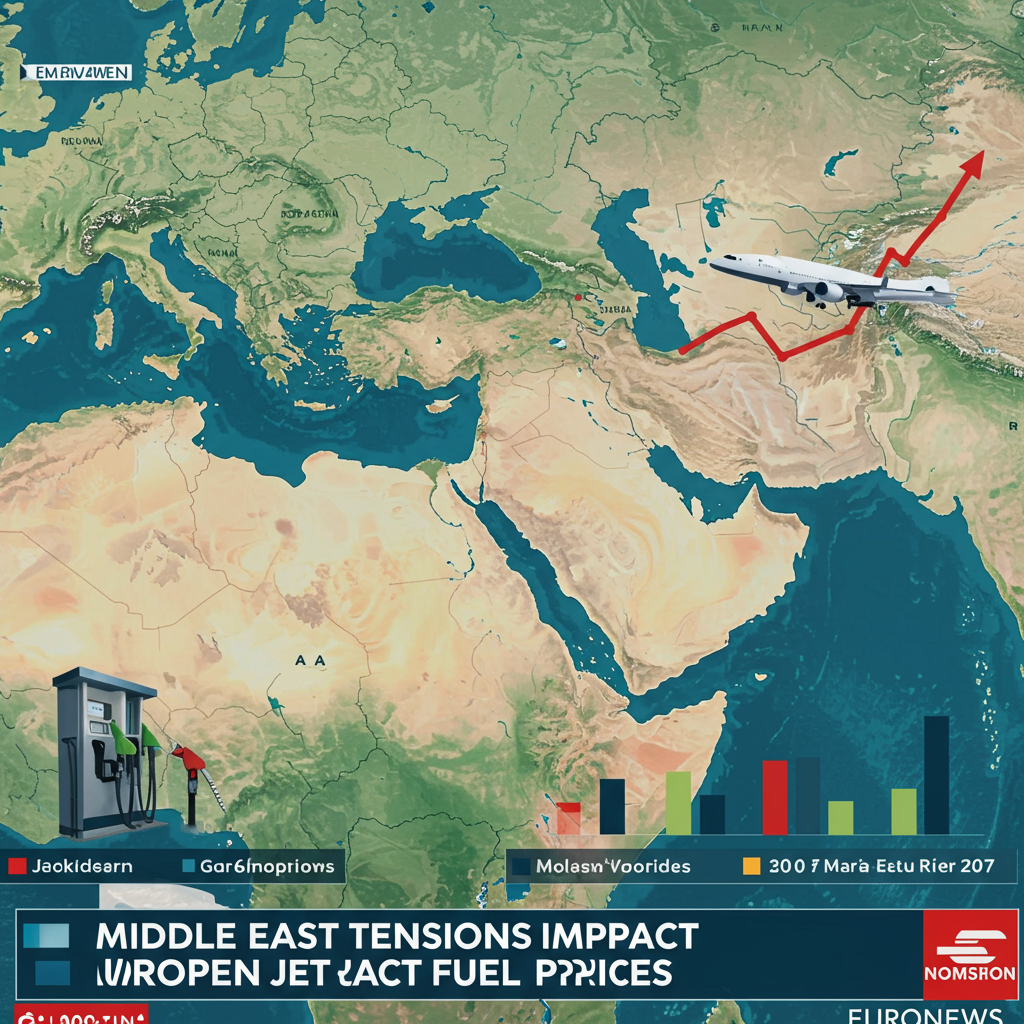
The disruption is rooted in the Middle East conflict, which began on Feb. 28 when the U.S. And Israel launched attacks on Iran. This escalation created an immediate oil supply shock that has pushed fuel costs upward. For European carriers, the closure of the Strait of Hormuz is particularly damaging, as the region is highly reliant on imports from that specific corridor.
While the UK government has indicated that airlines are not currently experiencing an active shortage of jet fuel, the industry remains on edge. Walsh noted that even if the Strait of Hormuz were to reopen immediately, the disruptive impact of the conflict could still be felt well into next year.
How Airlines Are Managing Costs
To combat the rising price of kerosene, airlines are implementing a variety of cost-recovery measures. Beyond simply raising the base price of tickets, carriers have turned to several other levers to protect their margins:
- Fuel Surcharges: Many airlines are adding direct fuel surcharges to tickets to offset the volatile cost of jet fuel.
- Increased Fees: There has been a trend toward raising baggage fees to generate additional revenue.
- Schedule Reductions: Some airlines are cutting flight schedules to optimize efficiency and reduce overall fuel consumption.
The financial impact is already visible in pricing data. According to weekly data from the travel search engine Kayak, the average round-trip domestic flight cost $361 as of April 20, 2026. This represents an increase of approximately 8% from the $335 average recorded in February, coinciding with the onset of the conflict as detailed by CNBC.
The European Regulatory Response
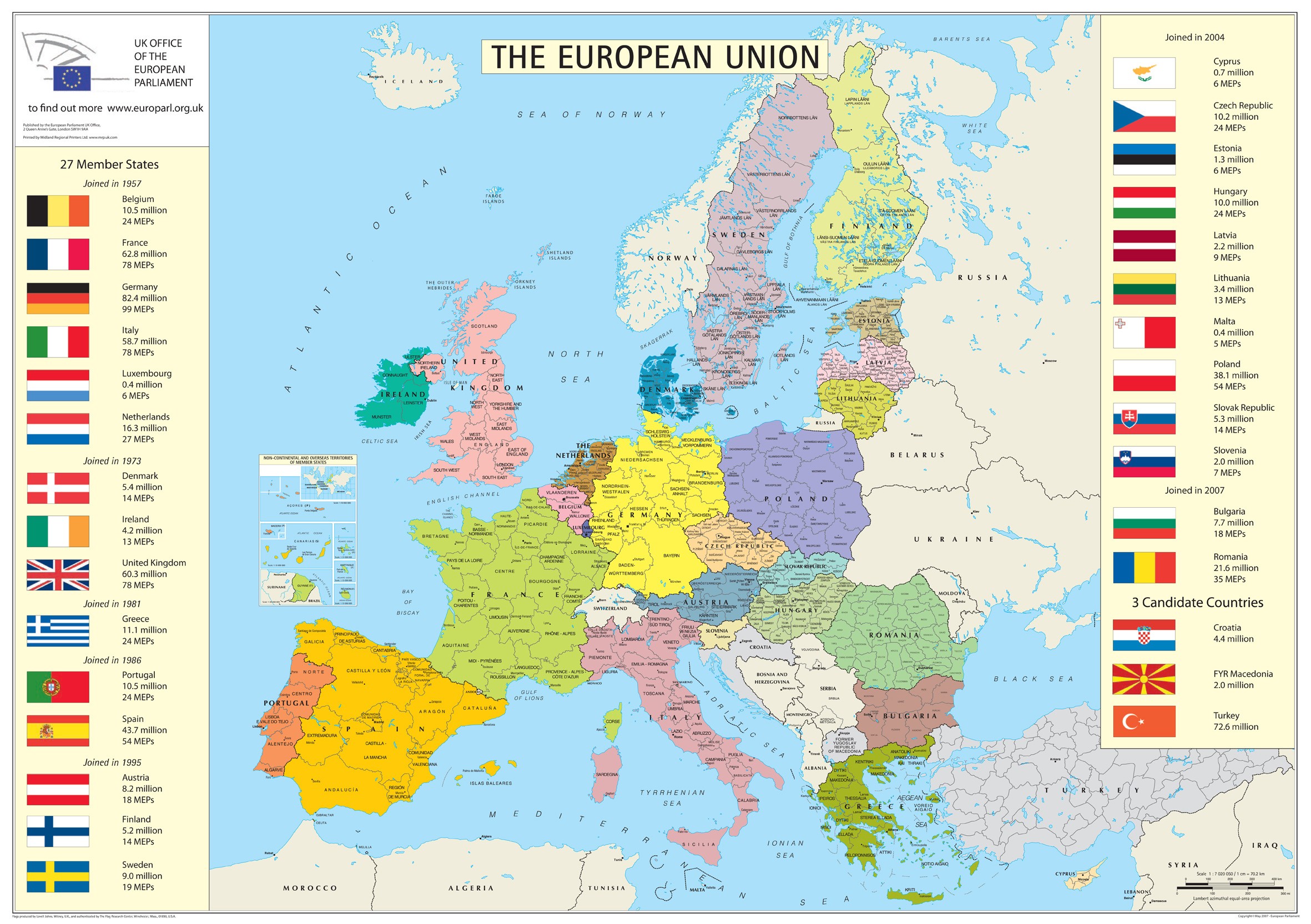
European authorities are scrambling to find alternative fuel sources to mitigate the reliance on the Middle East. In a recent move, the European Union stated there is no regulatory barrier preventing European airlines from using US-grade jet fuel, provided the transition is managed carefully.
Dan Jorgensen, the EU’s energy commissioner, has offered a measured perspective on the immediate future. While he does not expect a serious shortage in the short term, he has acknowledged that supply issues cannot be ruled out over a longer horizon.
Private sector leaders share some of this cautious optimism. Sebastien Ebel, the chief executive of travel operator Tui, stated that he does not expect shortages to occur over the coming months. However, these statements regarding supply do not negate the reality of price; even if fuel is available, the cost of obtaining it from alternative sources often remains higher than previous norms.
Strategic Advice for Travelers
For those planning international or domestic travel, experts suggest that waiting for the conflict to resolve before booking may be a costly mistake. The uncertainty surrounding the trajectory of the war makes delaying purchases a significant risk.
Katy Nastro, a travel expert at the deal website Going, advises travelers to book sooner rather than later. Nastro suggests that if a flight fits within a traveler’s current budget, they should not put off the purchase in hopes that the conflict will end quickly, noting that waiting is often riskier than the current price increase.
Key Takeaways for Passengers
| Factor | Current Status | Impact on Traveler |
|---|---|---|
| Jet Fuel Cost | Increasing sharply | Higher base fares and fuel surcharges |
| Supply Route | Strait of Hormuz closed | Potential for future flight cancellations |
| Booking Strategy | High uncertainty | Expert recommendation to book early |
| EU Policy | Opening to US-grade fuel | Efforts to stabilize long-term supply |
As the situation evolves, the aviation industry continues to monitor the stability of the Middle East. The next critical checkpoint will be the long-term assessment of fuel supply chains by the EU energy commission and the potential for the reopening of the Strait of Hormuz, which remains the primary variable in stabilizing ticket prices.
Do you plan to change your summer travel plans due to rising costs? Share your experiences and thoughts in the comments below.