Global Markets React to Heightened Geopolitical Tensions Following US-Israel Action in Iran
London, United Kingdom – Global financial markets are experiencing volatility following reports of a joint military operation conducted by the United States and Israel against Iran. The action, confirmed by former US President Donald Trump, has injected a new layer of uncertainty into an already complex geopolitical landscape, impacting stock markets, commodity prices, and currency valuations. European bourses closed lower on Friday, mirroring declines in Wall Street trading, as investors assess the potential for further escalation and its ramifications for the global economy. The situation is particularly sensitive given ongoing concerns about supply chain disruptions and inflationary pressures.
The initial market response reflects a flight to safety, with investors seeking refuge in traditional safe-haven assets. Still, the longer-term implications remain unclear, dependent on Iran’s response and the broader diplomatic fallout. The energy market is particularly vulnerable, with concerns mounting over potential disruptions to oil supplies. This comes at a time when global economic growth is already facing headwinds from high interest rates and persistent inflation. Understanding the interplay between these factors is crucial for investors and policymakers alike.
European Markets Close Lower Amidst Geopolitical Concerns
European stock markets finished the trading day on a negative trajectory, reflecting investor anxiety over the escalating tensions in the Middle East. According to reports, Madrid’s IBEX 35 index experienced the steepest decline, falling 1.15%. The FTSE 100 in London and the FTSE MIB in Milan both closed down 1.1%, while the DAX in Frankfurt and the CAC 40 in Paris saw declines of 0.9% and 0.8% respectively. These declines underscore the widespread apprehension across the continent.
The downturn in European markets was mirrored by similar trends in the United States. The Dow Jones Industrial Average fell by 1%, and the Nasdaq Composite Index decreased by 0.7%. This synchronized decline highlights the interconnectedness of global financial markets and the rapid transmission of risk sentiment. The situation is being closely monitored by central banks and financial regulators worldwide.
Oil Prices Surge as Supply Concerns Intensify
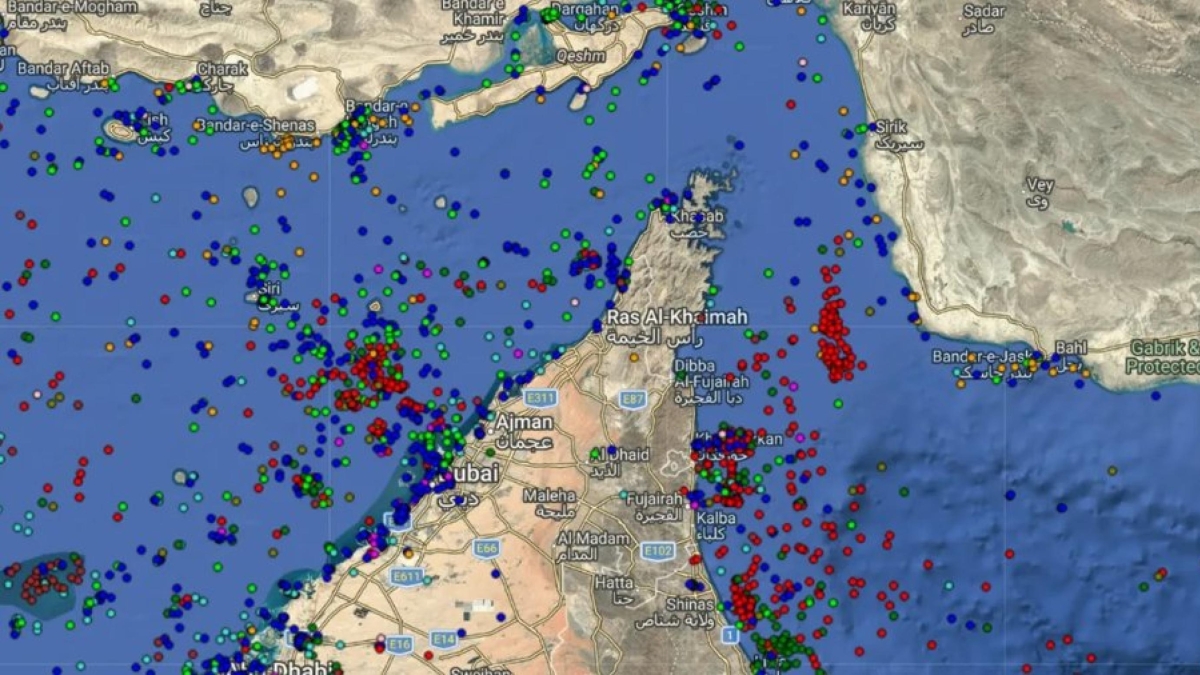
Crude oil prices have experienced a significant surge, driven by fears of supply disruptions in the wake of the US-Israel action. West Texas Intermediate (WTI) crude oil rose by 9.9% to $89.04 per barrel. This increase is fueled by speculation about potential cuts to oil production by Kuwait and concerns over the possible closure of the Strait of Hormuz, a critical waterway for global oil shipments. President Trump’s confirmation of the joint operation has further exacerbated these anxieties.
The potential closure of the Strait of Hormuz would have a devastating impact on global energy supplies, potentially leading to a sharp increase in oil prices and exacerbating inflationary pressures. Natural gas prices too rose, increasing by 4.97% to €53.2 per MWh. This increase in energy prices is likely to weigh on economic growth and could force central banks to reconsider their monetary policy strategies.
Safe-Haven Assets See Mixed Performance
While gold typically benefits from geopolitical uncertainty, its performance has been somewhat muted in the current environment, falling by 1.44% to $2,090.38 per ounce. Silver also experienced a decline, dropping 1.53% to $82.99 per ounce. This suggests that investors may be taking a more nuanced approach, considering the potential for a broader economic slowdown alongside geopolitical risks.
The US dollar remained relatively stable, trading at 86.23 cents and 74.69 pence. However, the Italian-German bond spread narrowed to 76.3 basis points, with the Italian annual yield rising by 6.8 basis points to 3.63%, the German yield increasing by 2.5 basis points to 2.86%, and the French yield climbing by 6 basis points to 3.52%. These movements in bond yields reflect changing perceptions of risk and economic outlooks within the Eurozone.
Trump’s Stance and International Reactions
Former US President Donald Trump has publicly confirmed the joint military operation, calling for “unconditional surrender” from Iran. Trump also asserted that he may have been the driving force behind Israel’s actions, a claim that has sparked debate and scrutiny. The international community is reacting cautiously, with many nations urging restraint and calling for a diplomatic resolution to the crisis.
The situation is further complicated by existing geopolitical tensions in the region, including the ongoing conflict in Ukraine and the broader rivalry between the United States and China. These factors create a volatile and unpredictable environment for investors and policymakers. The coming days and weeks will be critical in determining the trajectory of the crisis and its impact on the global economy.
Key Takeaways
- Geopolitical Risk: The US-Israel action against Iran has significantly increased geopolitical risk, leading to market volatility.
- Oil Price Surge: Concerns about supply disruptions have driven up oil prices, potentially exacerbating inflationary pressures.
- Market Decline: European and US stock markets have experienced declines, reflecting investor anxiety.
- Safe-Haven Assets: Gold and silver have seen mixed performance, suggesting a nuanced investor response.
Looking ahead, the market will be closely watching for Iran’s response to the military action. Any further escalation could lead to a more significant disruption of oil supplies and a broader economic downturn. Investors are advised to remain cautious and to carefully assess their risk exposure. The next key development will be the outcome of emergency meetings scheduled by the United Nations Security Council to address the escalating crisis.
We encourage readers to share their perspectives and engage in constructive dialogue in the comments section below. Stay tuned to World Today Journal for ongoing coverage of this developing story.
Worth a look