
European markets are bracing for a volatile opening on Tuesday as investors weigh conflicting signals from the Middle East. While there are renewed hopes that peace talks could resume, these optimistic sentiments are clashing with escalating geopolitical tensions following the collapse of previous diplomatic efforts.
The sentiment in the markets is precarious. While some traders are eyeing a potential rise in European stocks, the broader global landscape remains strained. Recent reports indicate that the United States is moving to blockade Iranian ports after peace talks failed, a move that has already sent ripples through global energy markets and Asian trading hubs.
The intersection of diplomatic hope and military action has created a polarized environment for investors. The potential for a blockade threatens to tighten global oil supplies, while any signal of a return to the negotiating table could provide the stability that equity markets crave.
Oil Prices Surge Amid Blockade Threats
The geopolitical tension has had an immediate impact on energy commodities. Oil prices have climbed back above $100 per barrel as the market reacts to news that the U.S. Intends to blockade Iranian ports following the failure of peace talks. This spike reflects the perceived risk of significant supply disruptions in the region.
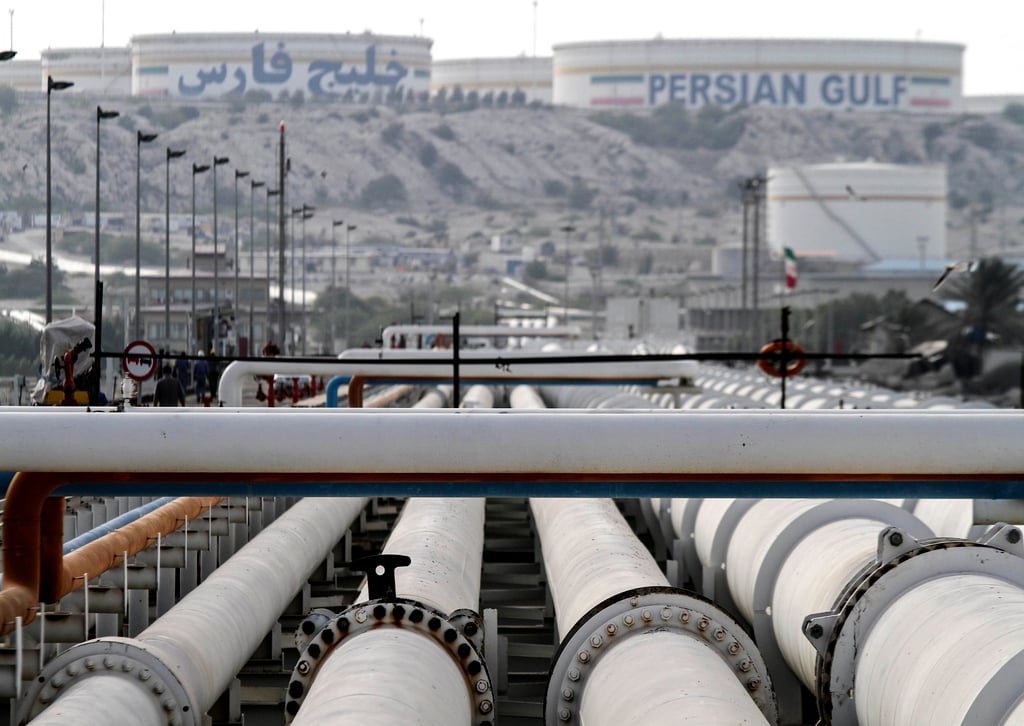
The volatility in crude oil is a primary driver for the uncertainty currently facing European markets. Higher energy costs typically act as a drag on industrial production and consumer spending, potentially offsetting the gains seen from optimistic diplomatic hopes.
Global Market Divergence
The reaction to these developments has been varied across different global regions, illustrating the complex interplay between hope for peace and the reality of sanctions.
- Asian Markets: Some Asian stocks saw a rally, and crude prices experienced temporary drops based on the lingering hope for a peace deal as reported by France 24.
- Indian Markets: Conversely, Indian shares slid in response to the news of the impending U.S. Blockade on Iranian ports via Reuters.
What This Means for European Investors
For European stocks, the outcome depends on which narrative takes hold: the fear of a blockade or the hope of resumed diplomacy. A blockade of Iranian ports would likely sustain high oil prices, which could pressure European equities, particularly in the transport and manufacturing sectors.
However, if diplomatic channels reopen, the reduction in geopolitical risk could trigger a broader rally across European indices. Investors are currently monitoring official statements from Washington and Tehran to determine if the “lingering hope” for a peace deal can materialize into concrete diplomatic action.
Summary of Market Impacts
| Asset/Market | Observed Trend | Primary Driver |
|---|---|---|
| Crude Oil | Rise (Above $100) | U.S. Blockade threats after failed talks |
| Indian Shares | Decline | Concerns over Iranian port blockades |
| Asian Stocks | Mixed/Rally | Hopes for a potential peace deal |
| European Stocks | Expected Higher | Renewed hopes for resumed peace talks |
As the situation evolves, the focus remains on whether the U.S. Proceeds with the blockade or if a diplomatic breakthrough occurs. Market participants are advised to monitor official government communications for updates on the status of Middle East peace negotiations.
We invite our readers to share their perspectives on how these geopolitical shifts are affecting their portfolios in the comments below.
Keep reading