
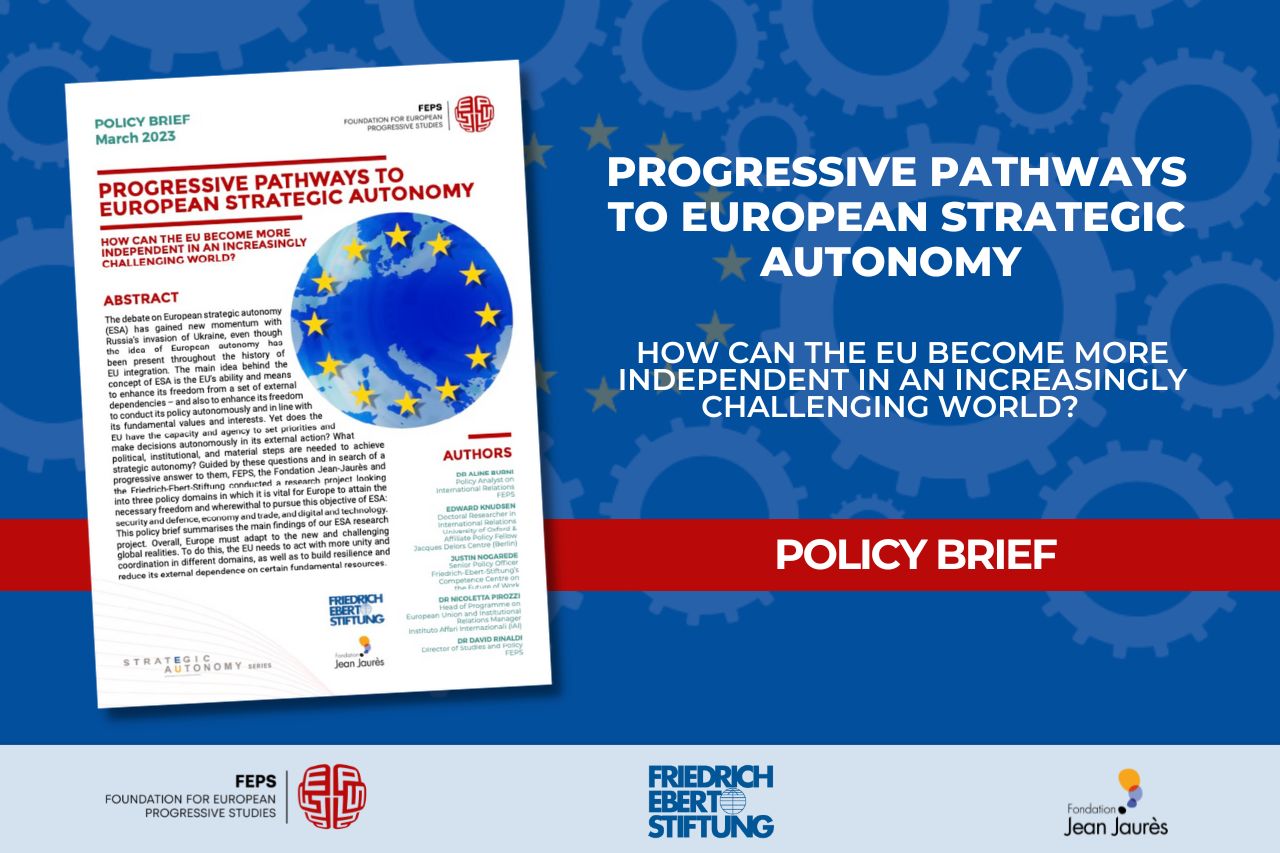
The security architecture of Europe is undergoing its most significant transformation since the conclude of the Cold War. At the center of this shift is Germany, a nation historically hesitant to lead militarily, now finding itself at the forefront of a broader debate regarding European strategic autonomy and the future of the continent’s defense.
For decades, European security has been synonymous with the North Atlantic Treaty Organization (NATO) and the overarching security umbrella provided by the United States. However, recent geopolitical instabilities have prompted a critical re-evaluation of this dependence. The push for a more independent European defense capability is no longer a theoretical exercise for policymakers in Brussels or Berlin; it is becoming a practical necessity as the threats to the Eastern Flank intensify.
This transition is characterized by a dual track: the reinforcement of existing NATO structures and a simultaneous, though often contentious, effort to build internal European capacities. As Germany increases its military contributions and shifts its long-standing defense postures, the question arises whether Europe is merely supplementing its reliance on Washington or preparing for a future where it must stand alone.
Germany’s Evolving Defense Posture and Support for Ukraine
Germany’s role in European security has shifted dramatically, moving from a position of cautious restraint to becoming a primary provider of military hardware to combat aggression in Eastern Europe. A key pillar of this new approach is the direct support of Ukraine, which serves as a litmus test for Germany’s willingness to lead in a high-stakes security environment.

Recent developments have seen Germany facilitate significant shipments of heavy weapons to Ukraine. These deliveries represent a departure from previous policy constraints and signal Berlin’s recognition that European stability is inextricably linked to the outcome of the conflict in Ukraine.
By providing heavy armor and advanced weaponry, Germany is not only supporting a sovereign ally but is also integrating its own defense industry more deeply into the immediate needs of European frontline defense. This shift is essential for any long-term goal of strategic independence, as it requires the industrial capacity to produce, maintain, and deploy heavy equipment on a scale that matches contemporary threats.
NATO’s Strategic Reinforcement of the Eastern Flank
While the conversation around strategic autonomy continues, the immediate reality remains firmly rooted in the NATO alliance. The alliance is currently executing a comprehensive strategy to bolster the security of its members in Eastern Europe, ensuring that the “tripwire” forces of the past are replaced by a more robust and permanent deterrent.
One of the most visible manifestations of this effort is the execution of large-scale military exercises. NATO has recently been conducting extensive air maneuvers, described as some of the largest of their kind. These operations are designed to test rapid deployment capabilities, interoperability between different national air forces, and the ability to maintain air superiority across the European theater.

Beyond air power, the alliance is implementing a broader plan to reinforce Eastern Europe. This strategy involves increasing the presence of multinational battlegroups and enhancing the logistics chains required to move troops and equipment quickly from Western Europe to the borders of the East.
These NATO-led initiatives provide the essential security floor upon which any further European integration must be built. For Germany and its neighbors, the reinforcement of the Eastern Flank is the immediate priority, even as they contemplate the long-term necessity of reducing their vulnerability to shifts in U.S. Foreign policy.
The Tension Between Alliance and Autonomy
The pursuit of European strategic autonomy creates a complex tension. On one hand, the United States remains the indispensable provider of nuclear deterrence, intelligence, and high-end logistics. European leaders are increasingly wary of a “security vacuum” should U.S. Political priorities shift away from the Atlantic toward the Indo-Pacific.
The concept of a “unified European army” is often discussed in geopolitical circles, but in practice, it remains a fragmented ambition. True autonomy would require more than just shared equipment; it would require a unified command structure, a common funding mechanism, and a shared political will to intervene in crises without Washington’s lead. Currently, this is being pursued through smaller, “modular” initiatives—such as joint procurement programs and the Permanent Structured Cooperation (PESCO) framework—rather than a single, monolithic military force.
Germany’s role in this transition is pivotal. As the largest economy in the European Union, Berlin’s willingness to fund and lead defense initiatives determines the pace of integration. The transition from a “civilian power” to a “security provider” is a slow process, hampered by domestic political sensitivities and the immense cost of modernizing aging military infrastructure.
Key Challenges to European Defense Integration
- Interoperability: European nations use a wide array of different weapon systems and communication protocols, making seamless joint operations difficult.
- Political Divergence: Differing national interests—particularly between the “frontline” states in the East and the more cautious states in the West—often stall decision-making.
- Industrial Competition: National defense industries often compete for contracts rather than collaborating, leading to redundancies and higher costs.
- Logistical Gaps: While Europe has significant troop numbers, it lacks the strategic airlift and sealift capabilities that the U.S. Provides.
What This Means for Global Security
The movement toward a more autonomous European defense posture does not necessarily signal a break with the United States, but rather a maturation of the partnership. A Europe that can contribute more effectively to its own defense is a more valuable NATO ally, reducing the burden on the U.S. And creating a more resilient global security network.
However, the process is fraught with risk. If the push for autonomy is perceived as an attempt to undermine NATO, it could create friction within the alliance. Conversely, if Europe fails to build its own capabilities and the U.S. Reduces its presence, the continent could discover itself exposed during a period of heightened volatility.
The current trajectory suggests a hybrid model: a “NATO-first” approach for collective deterrence, supplemented by “EU-led” initiatives for rapid reaction and strategic independence. Germany’s current trajectory—combining heavy weapons shipments to Ukraine with participation in massive NATO air maneuvers—reflects this balancing act.
The next critical checkpoint for this evolution will be the upcoming NATO summits and EU defense ministerial meetings, where member states will negotiate the next phase of funding and troop deployments for the Eastern Flank. These meetings will determine whether the current momentum toward integration leads to a tangible increase in European capabilities or remains a series of disjointed national efforts.
World Today Journal encourages readers to share their perspectives on European security in the comments below. Do you believe Europe can ever truly achieve strategic autonomy without the United States?