Navigating the New EU Entry/exit System (EES): A Thorough Guide for Travelers
The European Union is implementing a significant change to border control wiht the launch of the Entry/Exit System (EES) on October 12th, 2025. This new system will impact anyone traveling to and from EU member states, and understanding the details is crucial for a smooth journey. As a frequent traveler myself, I’ll break down what you need to know, addressing common concerns and outlining how to prepare.
What is the EES and Why is it Changing Travel?
The EES is an automated IT system designed to register travelers from non-EU countries each time they cross an EU external border. It aims to enhance security by keeping a record of entry and exit times,ultimately streamlining border crossings for legitimate travelers while identifying individuals who have overstayed their permitted time.Think of it as a digital upgrade to conventional passport stamps.
Who Will Be Affected?
The EES primarily impacts travelers who are not EU citizens. Here’s a breakdown:
* Non-EU Citizens: if you are not an EU citizen, you will likely need to register in the EES.
* EU residents: Non-EU nationals legally residing in an EU/Schengen area country are exempt.
* Long-Stay Visas: Individuals holding long-stay visas (over 90 days) are also exempt.
* short-Stay Visas: Those traveling on short-stay visas, such as the Schengen visa, will be subject to EES checks.
* Dual Citizens: If you hold citizenship in both an EU and non-EU country, always use your EU passport for travel to avoid EES registration.
* Children: Travelers under 12 will not be required to provide fingerprints.
What Does the Registration Process Involve?
When you arrive at an EU border post, you’ll need to:
- Self-Service Kiosks: Most major entry points will feature self-service kiosks. you’ll scan your passport and provide biometric data (fingerprints and a facial scan).
- Data collection: The system will record your name, travel document details, and biometric information.
- automated Checks: The EES will automatically verify your travel document validity and check for any alerts.
- Border Control Officer: A border control officer may still conduct additional checks.
The registration process is expected to take approximately 90 seconds per person. It’s free of charge,and you don’t need to take any action before your departure.
Phased Implementation: What to Expect in October 2025 and Beyond
The rollout of the EES won’t happen all at once. To minimize disruption, the EU has approved a phased approach.
* Initial Launch (October 12th, 2025): The first phase will focus on specific border posts and modes of transport.
* Early Adopters: The Port of Dover and Eurotunnel have announced initial EES checks will begin on October 12th, 2025, but initially only for coach travelers and freight.
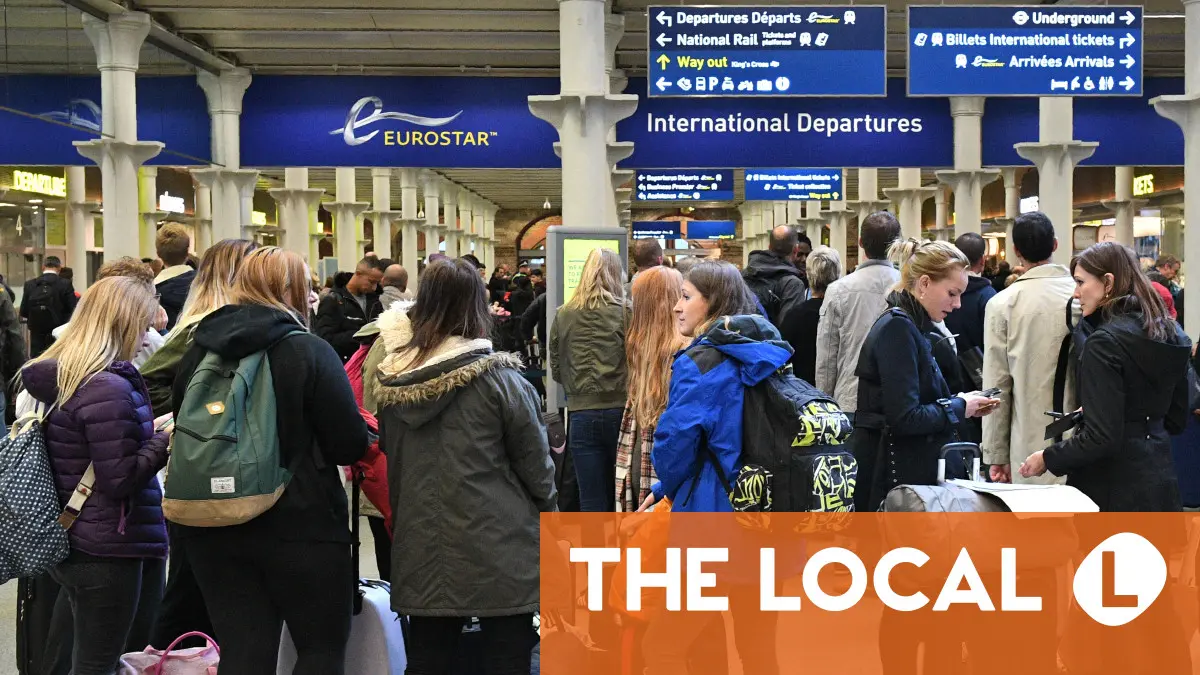
* Eurostar: At London St. Pancras and Paris Gare du Nord, Eurostar will activate 49 and 18 kiosks respectively by January 12th, 2026.
* Six-Month Phase-In: during this period, not all border posts will be fully operational, and not all passengers will be required to undergo checks.
* Queue Management: Ports and airports will have the adaptability to temporarily suspend checks if queues become unmanageable.
Traveling by Eurostar: What to Expect
Eurostar is actively preparing for the EES implementation. Here’s what you can anticipate:
* Dedicated Kiosks: London St. Pancras will have 49 self-service kiosks, and Paris Gare du Nord will have 18.
* Increased Staff: Eurostar has doubled the number of manual border control booths (from 9 to 18) and will have specially trained staff available to assist you.
Keep reading