
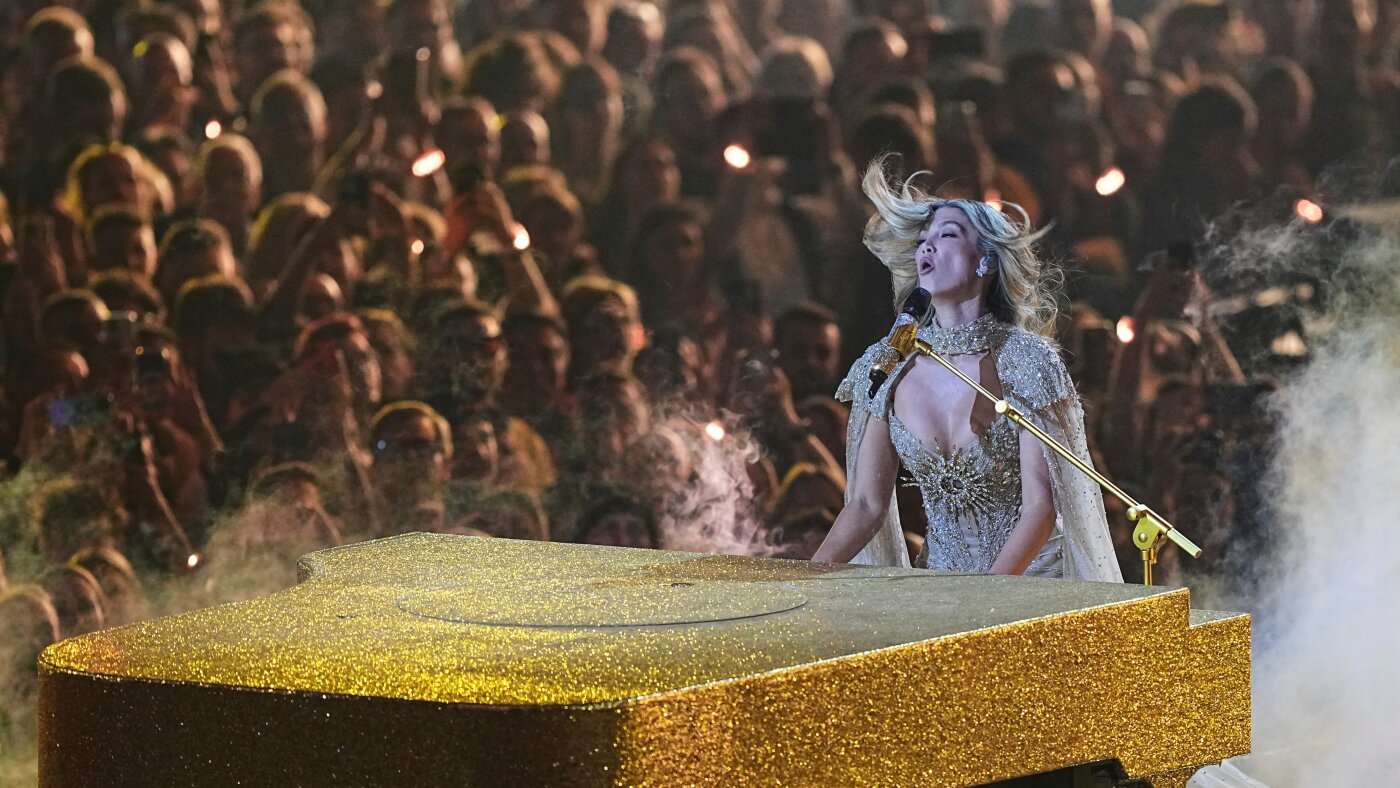
The global music community is turning its attention to Vienna, Austria, tonight as the Eurovision Song Contest 2026 Grand Final prepares to take center stage. After a series of intense semi-finals, 25 finalists have emerged to compete in what is widely considered one of the world’s most significant international song competitions. The event, which marks a major milestone for the European Broadcasting Union (EBU), promises a night of high-stakes performance, massive viewership, and the inevitable intersection of pop culture and geopolitical tension.
As the production scales up for the 21:00 CEST broadcast, the atmosphere in Vienna is a mix of high-octane enthusiasm and careful observation. For the EBU, the contest represents a decades-long tradition of musical diplomacy, but as the 2026 edition unfolds, the competition is being defined as much by its voting mechanics and political undercurrents as by the melodies themselves.
The Contenders: Betting Odds and Frontrunners
The path to the Grand Final has been grueling, but for the favorites, the momentum appears to be firmly in their favor. According to recent reports on the contest finalists, bookmakers have identified a clear hierarchy of talent heading into the Saturday night showdown. Finland currently holds a commanding lead in the projections, with the act Linda Lampenius x Pete Parkkonen and their entry “Liekinheitin” carrying a 37% chance of victory.
Following Finland, the competition appears much tighter. Greece, represented by Akylas with the song “Ferto,” and Australia, featuring Delta Goodrem with “Eclipes,” both sit at an 11% chance of winning. Industry observers have noted that Goodrem’s performance may be a pivotal factor in tonight’s result; her entry is described as a classic ballad reminiscent of Celine Dion, a style that traditionally performs well across both the professional jury and the public voting demographics.
For fans of the United Kingdom, the prospects are complex. The official UK entry, Look Mum No Computer, currently sits at 21st in the bookmaker rankings. However, the UK has a secondary path to victory via the Cypriot entry, Antigoni. A London-born and raised performer, Antigoni is currently ranked 16th, providing the UK with two distinct opportunities to impact the final standings.
The Voting Divide: Juries, Public Votes, and Political Friction
Understanding the outcome of the Eurovision Song Contest requires an understanding of its dual-track scoring system. The winner is not determined by a single metric but by a 50/50 split between professional songwriters’ juries and the public vote. This structure is designed to balance technical musicality with mass appeal, but it frequently becomes a point of contention when the two groups diverge.

This tension is particularly visible in the discussions surrounding Israel’s participation in this year’s contest. While the Eurovision organizers have maintained a neutral stance, the presence of the Israeli entry has surfaced long-standing debates within the contest’s ecosystem. There have been allegations from various participating countries suggesting that the Israeli government has attempted to influence the outcome through extensive advertising campaigns. The EBU has responded to these claims, insisting that such influence has not occurred.
The divergence between how juries and the public vote can create significant volatility in the final standings. As seen in recent years, a “romp” in the public vote can occasionally override jury preferences, a phenomenon that remains a “bone of contention” for many stakeholders in the music industry and the EBU itself.
A Milestone Year: The 70th Anniversary of Eurovision
The 2026 contest is not merely another entry in the Eurovision calendar; It’s a landmark year for the organization. As the contest celebrates 70 years of history, the scale of the production and the integration of new technology have reached new heights. The official Eurovision Song Contest website has highlighted several new features designed to enhance the experience for a global, digitally-native audience.
For this 70th anniversary, the EBU has introduced new digital tools such as “My Scoreboard” and “Eurodex” within the official app, allowing fans to engage more deeply with the competition in real-time. The contest has expanded its digital footprint, with “My Eurovision Party” returning to Roblox to engage younger demographics, ensuring the brand remains relevant in a rapidly evolving media landscape.
Since its inception in 1956, the contest has evolved from a regional broadcasting experiment into a massive international phenomenon. Managed by the European Broadcasting Union, the competition relies on a network of national broadcasters to deliver live content to millions of viewers, making it one of the longest-running and most successful television programmes in history.
Key Takeaways for the 2026 Grand Final
- Total Finalists: 25 countries will compete in the Grand Final in Vienna.
- Top Favorites: Finland (37%), Greece (11%), and Australia (11%) lead the betting markets.
- Scoring Model: A balanced 50% professional jury and 50% public vote determines the winner.
- Broadcast Time: The Grand Final is scheduled to begin at 21:00 CEST on Saturday, May 16, 2026.
- Milestone: The 2026 edition celebrates 70 years of the Eurovision Song Contest.
As the lights go up in Vienna, the contest stands at the intersection of artistic expression and global scrutiny. Whether the night is defined by a Finnish victory, a classic Australian ballad, or a shift in the political landscape of the competition, the 2026 Grand Final is set to be a defining moment in contemporary music history.
The final results of the Eurovision Song Contest 2026 are expected to be confirmed following the conclusion of the live broadcast tonight.
What are your predictions for tonight’s winner? Do you believe the jury or the public will have the final say? Share your thoughts in the comments below and share this article with your fellow music fans.