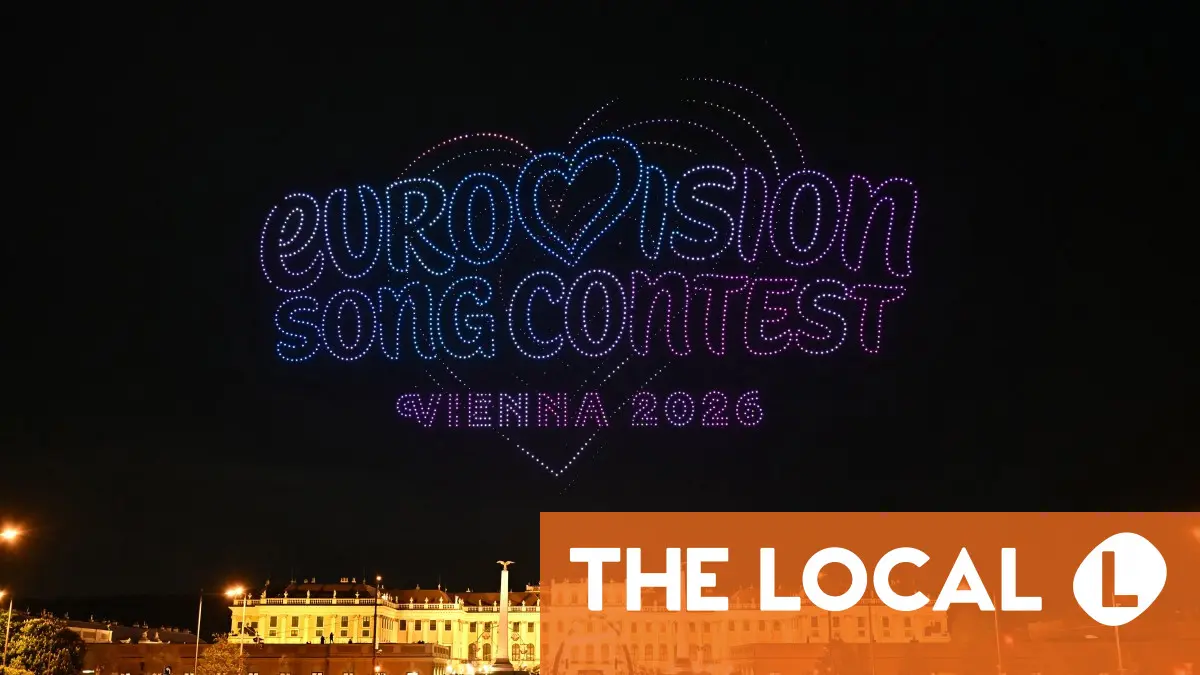
Vienna is preparing for a massive influx of international visitors as it readies itself to host the 70th Eurovision Song Contest in 2026. While the city is globally renowned as the cradle of classical music and imperial grandeur, Austrian officials and tourism leaders are viewing the upcoming event as a strategic opportunity to modernize the city’s international image.
By welcoming millions of viewers and thousands of fans to the Wiener Stadthalle, Vienna aims to demonstrate that its cultural identity extends far beyond the legacy of Mozart and Beethoven. The city is positioning the 2026 contest not just as a music competition, but as a platform to showcase a progressive, open, and tolerant capital capable of hosting the world’s largest pop music celebration.
This ambition marks a return to a strategy first deployed during the 2015 contest, which followed Austria’s victory by Conchita Wurst. That event served as a turning point for the city, blending its historic architecture with a loud message of inclusivity and diversity. Now, eleven years later, Vienna seeks to solidify that reputation on an even larger scale to celebrate the contest’s platinum anniversary.
The 70th Anniversary: A Global Milestone in Vienna
The 2026 edition of the Eurovision Song Contest is not a standard annual event; It’s the 70th anniversary of the competition, making it one of the most significant milestones in the history of the European Broadcasting Union (EBU). This anniversary status is expected to drive record-breaking interest, with fans from over 70 countries anticipated to travel to the Austrian capital.

To match the scale of the occasion, the city has designated the Wiener Stadthalle as the primary hub for the festivities. The venue will host the semi-finals and the grand final, serving as the epicenter for a global broadcast that reaches hundreds of millions of households. The 70th anniversary celebration is designed to be the biggest global event in the contest’s history, integrating legacy performances from Eurovision icons with the latest in stage technology.
Central to the fan experience will be the “Turquoise Carpet,” Vienna’s equivalent of the red carpet, where artists and delegations will be introduced to the public. This high-visibility event is a key component of the city’s plan to generate organic social media reach and project an image of glamour and modern excitement to a young, digitally native global audience.
Rebranding the ‘City of Music’ for a Modern Era
For centuries, Vienna has been synonymous with the Danube river, grand palaces, and a rigid adherence to classical traditions. While this heritage remains a primary driver for tourism, the Vienna Tourist Board is leveraging Eurovision to diversify the city’s brand. The goal is to shift the perception of Vienna from a “museum city” to a vibrant, contemporary metropolis.
The strategic focus is on “cultural diplomacy”—using a pop-culture phenomenon to signal social values. During the 2015 hosting, the city made headlines by altering pedestrian crossing lights to feature same-sex couples, a move that signaled a departure from conservative norms and emphasized a commitment to LGBTQ+ rights. For 2026, the city intends to build upon this foundation, presenting Vienna as a hub of tolerance and modern European values.
This rebranding effort is critical for the city’s long-term economic goals. By attracting a younger demographic of “music tourists,” Vienna can expand its tourism base beyond the traditional cultural traveler. The integration of official partners, such as ZOOP, indicates a move toward more commercial and youth-oriented collaborations to ensure the event resonates with Gen Z and Millennial audiences.
Economic Impact and Tourism Logistics
Hosting an event of this magnitude requires a massive logistical operation. The city is coordinating extensive entertainment programs for visitors that extend beyond the walls of the Wiener Stadthalle. This includes city-wide takeovers and fan-centric experiences designed to distribute the economic benefits of the contest across various districts of the city.
The anticipated “invasion” of pop fans is expected to provide a significant boost to the local hospitality sector. Hotels, restaurants, and transport services are preparing for a surge in demand, particularly from international delegations and the “Eurofans” who travel annually to support their respective countries. The EBU and local organizers are focusing on creating a seamless experience that encourages visitors to explore the city’s broader offerings, from its imperial museums to its modern art galleries.
To facilitate this, the official Eurovision app has been updated with new features for the 70th anniversary, including “My Scoreboard” and “Eurodex,” allowing fans to engage with the contest’s history while navigating the host city. These digital tools are intended to enhance the visitor experience and provide the city with valuable data on fan movement and preferences.
The Legacy of 2015 and the Path to 2026
The decision to host the contest in Vienna again is heavily influenced by the success of the 2015 event. That year, the victory of Conchita Wurst became a global symbol of empowerment and progressive values, effectively linking the Eurovision brand with a message of human rights. Vienna’s ability to manage the social and political complexities of that win while maintaining a festive atmosphere proved the city’s capacity for high-stakes event management.

As the 2026 contest approaches, the city is focusing on a “watch-along” strategy, revisiting previous editions like Vienna 1967 and 2015 to build momentum. This historical framing allows the city to showcase its evolution over the decades, positioning the upcoming 70th anniversary as the pinnacle of its journey toward becoming a modern, inclusive cultural capital.
The coordination of international media relations is a priority for the tourist board, ensuring that the narrative surrounding the event focuses on both the spectacle of the music and the openness of the city. By managing the intersection of pop culture and civic identity, Vienna hopes to leave a lasting legacy that persists long after the final note is sung.
The next confirmed milestone for the event will be the official reveal of the 2026 stage design and the announcement of the full artist lineup as rehearsals begin at the Wiener Stadthalle.
Do you think Eurovision can truly change the global perception of a city’s culture? Share your thoughts in the comments below.