

The Eurovision Song Contest has long served as more than a mere musical competition; it is a vivid, often glittering mirror reflecting the shifting political, social, and aesthetic landscapes of Europe. From the formal austerity of the 1950s to the high-concept pyrotechnics of the modern era, the contest captures the zeitgeist of a continent in constant flux. Now, this cultural phenomenon is being viewed through a satirical lens at the Karikaturmuseum Krems in Austria.
The museum has unveiled a specialized exhibition titled Tanzschein
(Dance Ticket), which offers visitors a visual time travel experience through the history of the song contest. By utilizing the medium of caricature, the exhibition strips away the polished veneer of the televised spectacle to highlight the absurdity, the kitsch, and the enduring charm of the event. For those who view the Eurovision Song Contest as the ultimate expression of European pop eccentricity, this collection provides a curated, critical, and humorous retrospective.
Located in the heart of Krems an der Donau, the Karikaturmuseum Krems has established itself as a premier venue for social commentary and satirical art. The Tanzschein
series aligns with the museum’s mission to challenge perceptions and provoke thought through humor, transforming the ephemeral nature of pop music into a permanent artistic critique.
The Art of the Absurd: Exploring the “Tanzschein” Series
At its core, the Tanzschein
exhibition is designed as an amüsante Revue
(amusing review) of the contest’s evolution. Caricature, by definition, relies on the exaggeration of specific features to reveal a deeper truth or a hidden irony. In the context of Eurovision, this means focusing on the oversized costumes, the dramatic facial expressions of hopeful contestants, and the often-stilted choreography that has defined various eras of the competition.

The exhibition does not merely mock the participants; rather, it celebrates the bravery of the spectacle. By isolating key moments and figures from the contest’s history, the artists capture the tension between the high aspirations of the performers and the often-campy reality of the production. This juxtaposition allows the audience to appreciate the contest not just as a search for the best song, but as a performance art piece on a continental scale.
Visitors navigating the gallery are invited to reflect on how the visual language of the contest has changed. The early years, characterized by orchestral arrangements and tuxedoed presenters, contrast sharply with the digital era of LED screens and avant-garde fashion. The Tanzschein
series captures these transitions, documenting the shift from traditional songwriting to the era of the viral moment
.
Eurovision as a Cultural Time Capsule
The decision to frame the exhibition as a Zeitreise
(time travel) is intentional. Eurovision is one of the few remaining annual events that provides a consistent longitudinal study of European taste. Each year’s winner and each year’s failure tell a story about what the participating nations valued at that specific moment in time.
The satirical works in Krems highlight several recurring themes in the contest’s history:
- The Evolution of Kitsch: From the sequins of the 1970s to the conceptual costumes of the 21st century, the exhibition examines the fine line between artistic ambition and unintentional comedy.
- National Identity: The caricatures often play with national stereotypes, reflecting how countries use the contest to project a specific image of themselves to the rest of the world.
- The Drama of the Vote: The tension of the scoring sequence—once a slow, agonizing process of telephone calls and now a rapid-fire digital tally—is a focal point of the exhibition’s humor.
By distilling these elements into caricature, the exhibition encourages viewers to look past the music and consider the sociological implications of the event. It asks why we are drawn to the spectacle and what the collective European obsession with the contest says about the desire for unity through shared, often absurd, experiences.
The Significance of Karikaturmuseum Krems
The setting of this exhibition is as significant as the art itself. The Karikaturmuseum Krems is not a traditional art gallery but a space dedicated to the power of the line and the punchline. Satire has a long history in Central Europe as a tool for political resistance and social critique, and the museum continues this tradition by applying it to contemporary pop culture.
By hosting the Tanzschein
series, the museum bridges the gap between high art
and low culture
. It asserts that a song contest, despite its perceived superficiality, is a worthy subject of artistic study. The museum’s curated approach ensures that the humor remains sophisticated, avoiding simple ridicule in favor of a more nuanced observation of human nature and celebrity culture.
For the global audience, this exhibition represents a uniquely Austrian perspective on a pan-European event. Austria’s own relationship with Eurovision has been one of peaks and valleys, and the local audience in Krems brings a specific regional sensibility to the viewing experience, blending a love for the contest with a healthy dose of skepticism.
Practical Information for Visitors
For those planning to visit the exhibition, the Karikaturmuseum Krems is located in the historic center of Krems, making it an accessible stop for tourists exploring the Wachau Valley region. The museum typically offers a variety of rotating exhibitions, and Tanzschein
serves as a vibrant addition to their current programming.
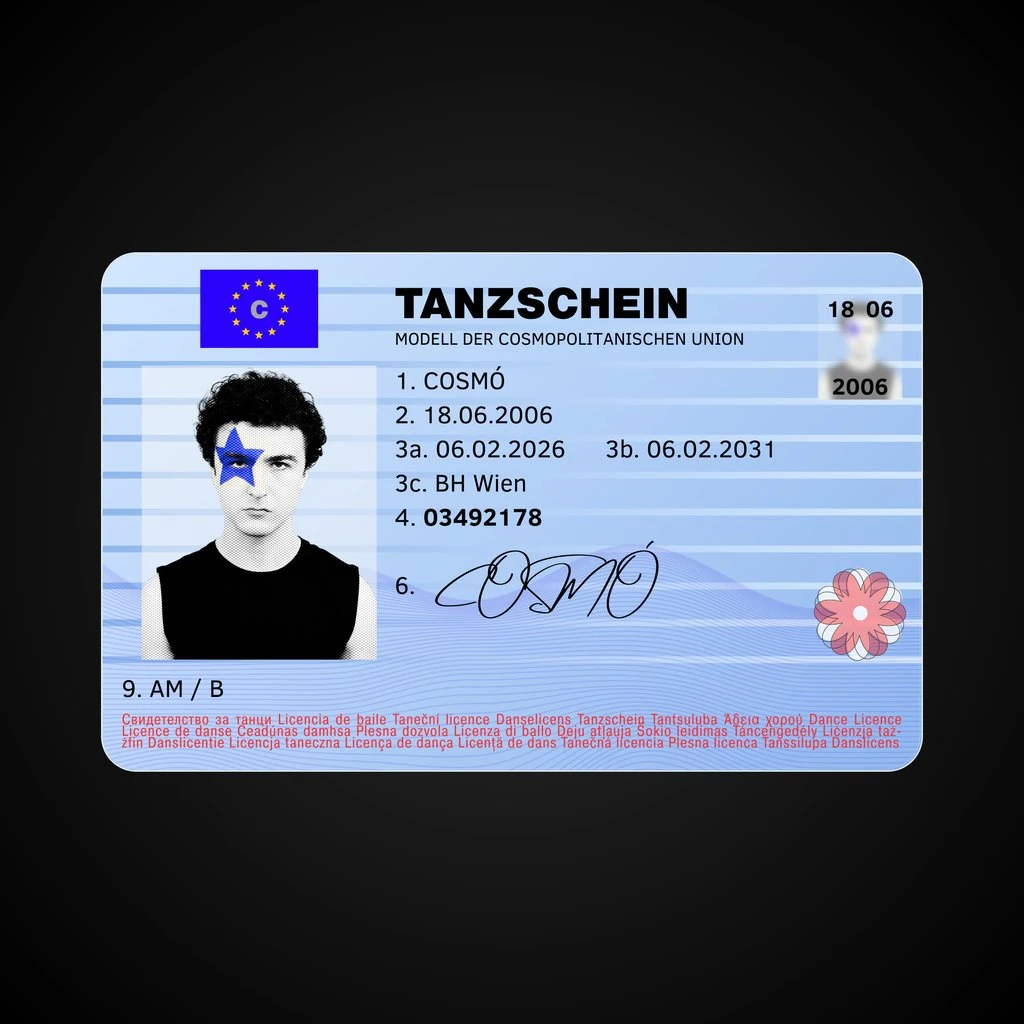
Visitors are encouraged to check the official museum schedule for specific opening hours and any accompanying events, such as artist talks or guided tours that may provide deeper insight into the creation of the Tanzschein
series. Given the visual nature of the exhibition, it is highly accessible to non-German speakers, as the humor of the caricature transcends linguistic barriers.
Key Takeaways: The “Tanzschein” Experience
- Focus: A satirical retrospective of the Eurovision Song Contest using caricature.
- Theme: A
time travel
journey through the kitsch, glamour, and absurdity of ESC history. - Venue: The Karikaturmuseum Krems, a hub for satirical and social art in Austria.
- Goal: To critique and celebrate the cultural impact of the contest through visual exaggeration.
As the Eurovision Song Contest continues to evolve with fresh technologies and changing musical trends, the Tanzschein
exhibition serves as a reminder that the most enduring part of the event is its willingness to be slightly ridiculous. In a world of curated perfection, there is something profoundly human about the glittering, chaotic, and often hilarious history of the song contest.
The museum continues to update its exhibits as new contest seasons unfold. Visitors are advised to monitor the museum’s official announcements for future additions to the collection or new thematic series that explore the intersection of art, and entertainment.
Do you have a favorite Eurovision moment that deserves its own caricature? Share your thoughts in the comments below or share this article with a fellow ESC enthusiast.