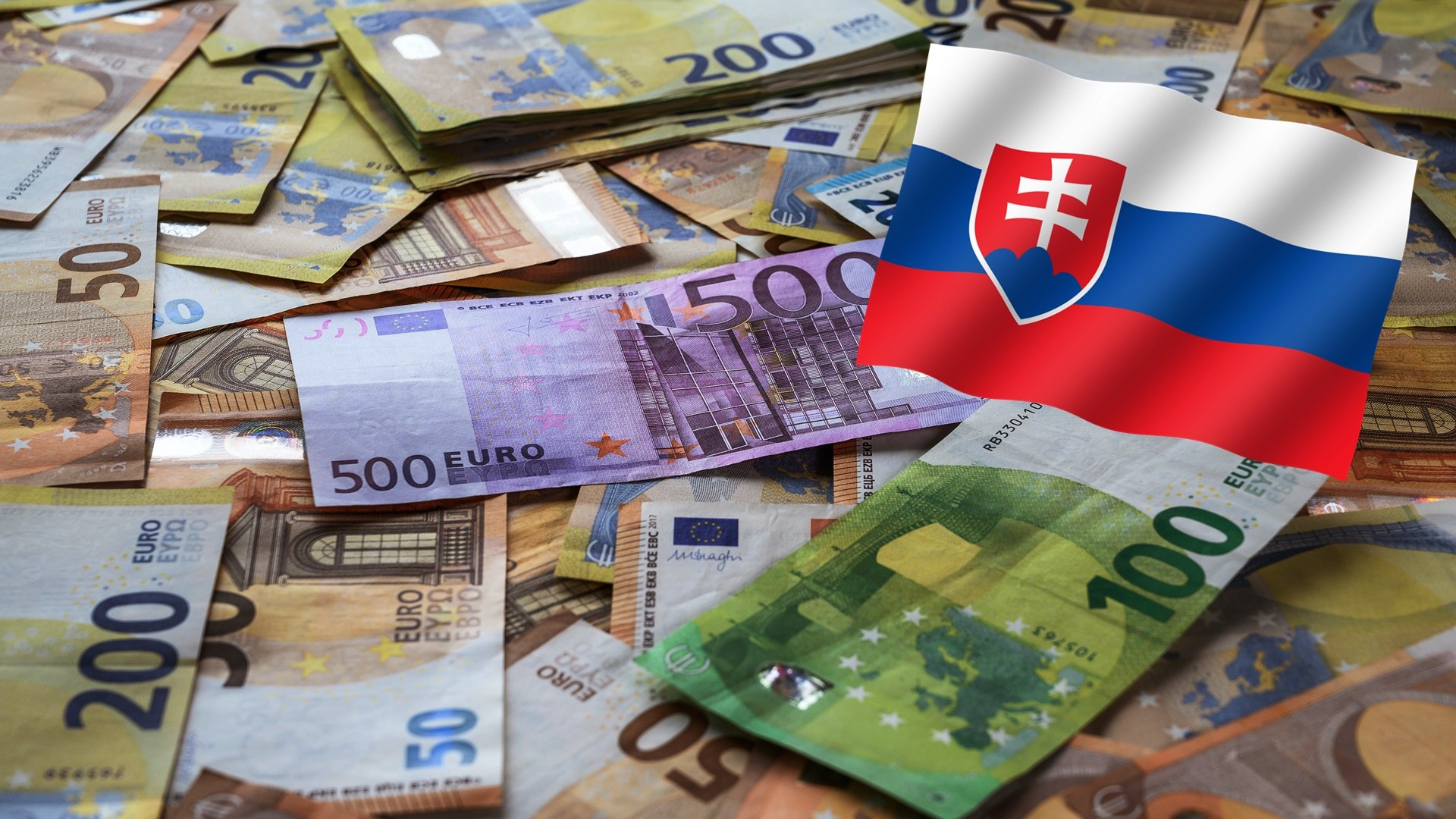
The Slovak energy landscape is facing a significant tremor as Eustream, the critical operator of the transit pipeline system for natural gas, confronts a precarious financial and operational future. Once a cornerstone of regional energy security and a generator of massive profits, the company is now grappling with the fallout of a shifted geopolitical reality that has fundamentally altered the flow of Russian gas into Europe.
Reports indicate that the company is facing the prospect of mass layoffs, with more than 100 employees potentially losing their jobs. This downturn comes after a period of record-breaking earnings, where the company reported profits in the hundreds of millions of euros. The stark contrast between these “golden years” and the current crisis underscores the volatility of the European energy transit market following the Russian invasion of Ukraine.
The crisis is not merely an internal corporate struggle but a systemic issue affecting the broader Slovak economy. As the revenue from gas transit collapses, the financial burden is shifting. Recent regulatory moves suggest that Slovak households and businesses may see increased gas fees starting in May 2026 to compensate for the loss of transit revenue from Ukrainian gas flows.
This transition marks a definitive end to an era where Slovakia served as a primary gateway for Russian energy. The current instability at Eustream is a direct reflection of the European Union’s strategic pivot away from Russian hydrocarbons and the physical and political risks associated with the transit corridors through Ukraine.
The Fall of a Transit Giant: From Record Profits to Layoffs
For years, Eustream operated as a highly lucrative entity, leveraging its strategic position as the manager of the pipeline system that transported Russian gas to Western Europe. During the height of this transit era, the company amassed significant reserves and reported earnings that placed it among the most profitable state-linked entities in Slovakia. But, the systemic reliance on a single source of energy proved to be a critical vulnerability.
The catalyst for the current decline was the drastic reduction—and in some cases, the total cessation—of Russian gas flows through the Ukrainian transit system. As the EU implemented sanctions and shifted toward Liquefied Natural Gas (LNG) imports, the volume of gas moving through Eustream’s infrastructure plummeted. Without the consistent transit fees that fueled its previous growth, the company’s operational costs began to outweigh its income.
The human cost of this shift is now becoming apparent. The threat of mass layoffs affecting over 100 staff members represents a significant portion of the company’s specialized workforce. These employees, many of whom possess deep technical expertise in pipeline management and energy logistics, now find themselves in a precarious position as the company attempts to “right-size” its operations for a post-Russian gas era.
Industry analysts suggest that the company’s previous success created a false sense of security, leading to a lack of diversification in its business model. The suddenness of the decline was exacerbated by the geopolitical urgency of the conflict in Ukraine, leaving the company with little time to pivot its infrastructure toward alternative gas sources or hydrogen transport.
The Financial Ripple Effect: Why Slovak Consumers Will Pay
The financial instability of Eustream is not contained within the company’s balance sheets; This proves leaking into the pockets of ordinary Slovak citizens. Given that the state and the energy sector are deeply intertwined, the loss of transit revenue creates a budgetary hole that must be filled.
According to reports from the Slovak public broadcaster RTVS and other regional outlets, households and companies are expected to face higher gas costs starting in May 2026. These price hikes are designed to offset the shortfall in funds previously generated by the transport of gas from Ukraine. Essentially, the “transit dividend” that once subsidized the energy system has vanished, and the cost is being redistributed to the end-user.
This move has sparked criticism from consumer advocacy groups and political figures who argue that the risks of the energy transit business should not be borne by the public. The transition is particularly painful because it coincides with a broader cost-of-living crisis, making any increase in utility bills a point of significant social tension.
The regulatory framework governing these price adjustments is currently under intense scrutiny. The Office for Energy and Water Regulation (ÚRSO) is tasked with managing this transition, but the process is fraught with legal complexities. The goal is to maintain the stability of the gas distribution network even as ensuring that the costs are distributed in a manner that does not lead to widespread energy poverty.
Legal and Regulatory Battles: The Role of ÚRSO
The struggle to manage the decline of gas transit has pushed Slovak regulators to the limit. The head of the Office for Energy and Water Regulation (ÚRSO), Holjenčík, has acknowledged that the current strategies to manage gas transit and pricing are pushing the boundaries of existing legislation.
In recent statements, Holjenčík indicated that the regulator is operating at the upper limit of European law
to find a viable path forward. This suggests that the measures being taken to stabilize the energy market and compensate for the loss of transit revenue may be legally precarious, potentially opening the door to challenges from the European Commission or private energy firms.
The core of the legal conflict lies in the “unbundling” rules of the EU, which require the separation of energy production, transmission, and distribution to prevent monopolies and ensure fair competition. By attempting to shift transit losses onto consumers or other parts of the energy chain, the Slovak government risks violating these competition laws.
the transition to a “reverse flow” system—where gas moves from West to East to supply Ukraine and other Eastern markets—requires a different operational logic than the traditional East-to-West transit. While this provides some utility, the revenue generated from reverse flows is significantly lower than the historic fees paid for the massive volumes of Russian gas.
The Strategic Pivot: What Happens Next?
Eustream is not merely managing a decline; it is attempting a fundamental transformation. The company’s survival depends on its ability to evolve from a passive transit pipe into a flexible energy hub. This involves several key strategic shifts:
- Hydrogen Readiness: There is a significant push to adapt existing pipeline infrastructure to transport hydrogen. This would align Slovakia with the EU’s Green Deal and provide a long-term purpose for the network.
- Diversification of Sources: Increasing the capacity for gas flowing from the West (LNG terminals in Poland and Germany) to ensure that Slovakia is no longer dependent on a single geopolitical actor.
- Operational Leaness: The current layoffs, while devastating for the affected workers, are part of a broader effort to reduce the company’s overhead to match its new, lower-revenue reality.
However, these pivots require massive capital investment at a time when the company’s revenue is crashing. This creates a “catch-22” scenario: the company needs money to modernize, but it cannot generate money until it modernizes.
The geopolitical stakes remain high. As long as the pipeline infrastructure exists, it remains a tool of strategic influence. The Slovak government must balance the economic necessity of cutting costs with the national security requirement of maintaining a functioning energy grid.
Key Takeaways: The Eustream Crisis
- Employment Impact: Over 100 employees at Eustream face potential job losses due to the collapse of Russian gas transit.
- Consumer Cost: Slovak households and businesses are expected to see gas fee increases starting May 2026 to cover transit revenue losses.
- Financial Shift: The company has moved from a period of record-breaking profits (hundreds of millions of euros) to a state of financial instability.
- Regulatory Strain: The energy regulator ÚRSO admits to operating at the edge of European law to manage the transition.
- Strategic Goal: The company is attempting to pivot toward hydrogen transport and Western gas flows to survive.
Conclusion and Future Outlook
The situation at Eustream is a cautionary tale of the dangers of energy dependency. The rapid transition from immense wealth to the threat of mass layoffs demonstrates how quickly geopolitical shifts can dismantle a business model. For Slovakia, the challenge is now to manage the social and economic fallout without compromising its energy security.
The next critical checkpoint will be the formal implementation of the new gas pricing structures in May 2026. This period will determine whether the regulatory measures taken by ÚRSO are sufficient to stabilize the system or if they will trigger further legal challenges and public outcry.
World Today Journal encourages readers to share this story and leave their comments below regarding the impact of energy transitions on national economies.
Related reading