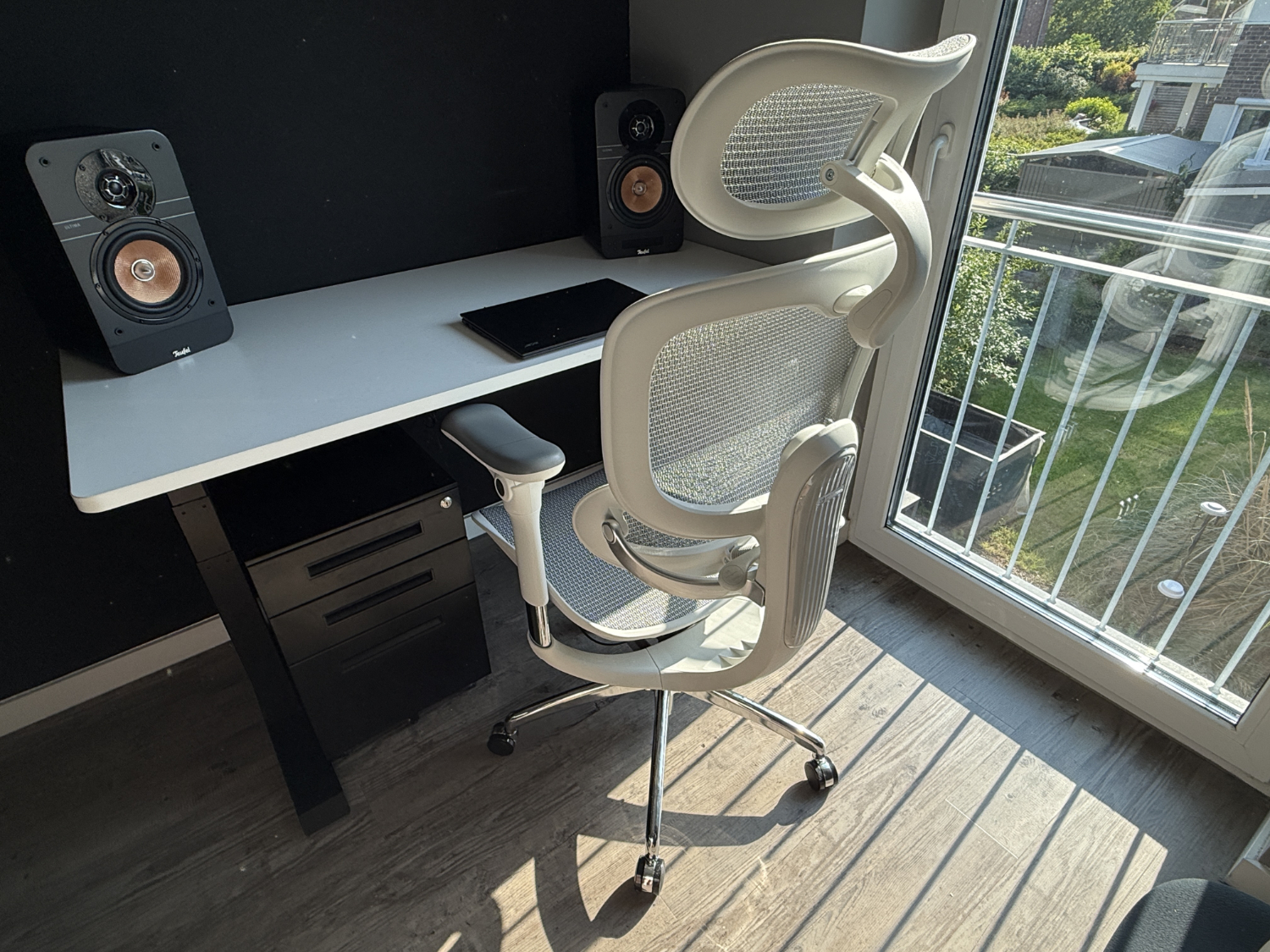
The Sihoo Doro C300 Pro V2 represents the latest iteration in the company’s line of ergonomic office seating, featuring hardware refinements designed to increase lumbar support and adjustability for extended sedentary work. As office furniture manufacturers increasingly focus on dynamic support systems, this model aims to address common musculoskeletal complaints associated with prolonged computer use by incorporating a “self-adaptive” backrest mechanism. According to the manufacturer’s technical specifications, the chair utilizes a weight-sensitive tension system that shifts with the user’s posture, a feature intended to maintain spinal alignment throughout a standard workday.
When evaluating the Doro C300 Pro V2, users often compare its performance to the original Doro C300, which established the brand’s presence in the mid-range ergonomic market. The V2 update introduces enhanced materials and a more granular control scheme for the armrests and headrest. These adjustments are significant for remote workers and office professionals who require equipment that complies with standard workplace ergonomic guidelines, such as those outlined by the Occupational Safety and Health Administration (OSHA) regarding proper workstation setup.
Design Evolution and Ergonomic Refinements
The primary distinction between the original Doro C300 and the Pro V2 version lies in the integration of the dynamic lumbar support system. While the predecessor utilized a fixed-flex design, the V2 incorporates a multi-directional pivot that responds to the user’s lower back curvature. This design choice aligns with current industry trends toward “active sitting,” where the chair encourages micro-movements to reduce pressure on the intervertebral discs. Research published by the National Institutes of Health (NIH) underscores that chairs providing consistent lumbar support during reclining motions significantly decrease the risk of lower back strain compared to static models.
The Pro V2 also features a 4D armrest configuration, allowing for height, width, depth, and angle adjustments. For users managing repetitive strain from typing, the ability to position armrests at the exact height of the desk surface is a critical factor in maintaining neutral wrist alignment. The manufacturer has replaced some of the plastic-heavy components found in the original model with reinforced nylon and aluminum alloys, which increases the structural integrity and expected lifespan of the chair base under standard daily use.
Comparison: Doro C300 vs. Doro C300 Pro V2
For prospective buyers, understanding the incremental changes is essential for determining if an upgrade or a new purchase is warranted. The following breakdown highlights the core hardware differences identified in product documentation and consumer testing environments.
- Lumbar Support: The C300 utilizes a basic tension-spring backrest, whereas the Pro V2 employs a multi-axis self-adaptive system that tracks spinal movement more closely.
- Material Quality: The Pro V2 includes a higher density of aluminum in the wheelbase and frame, providing a more stable center of gravity compared to the predominantly polymer construction of the base model.
- Adjustment Granularity: The Pro V2 offers a wider range of recline locking positions, allowing users to secure the backrest at angles that were previously unavailable on the original C300.
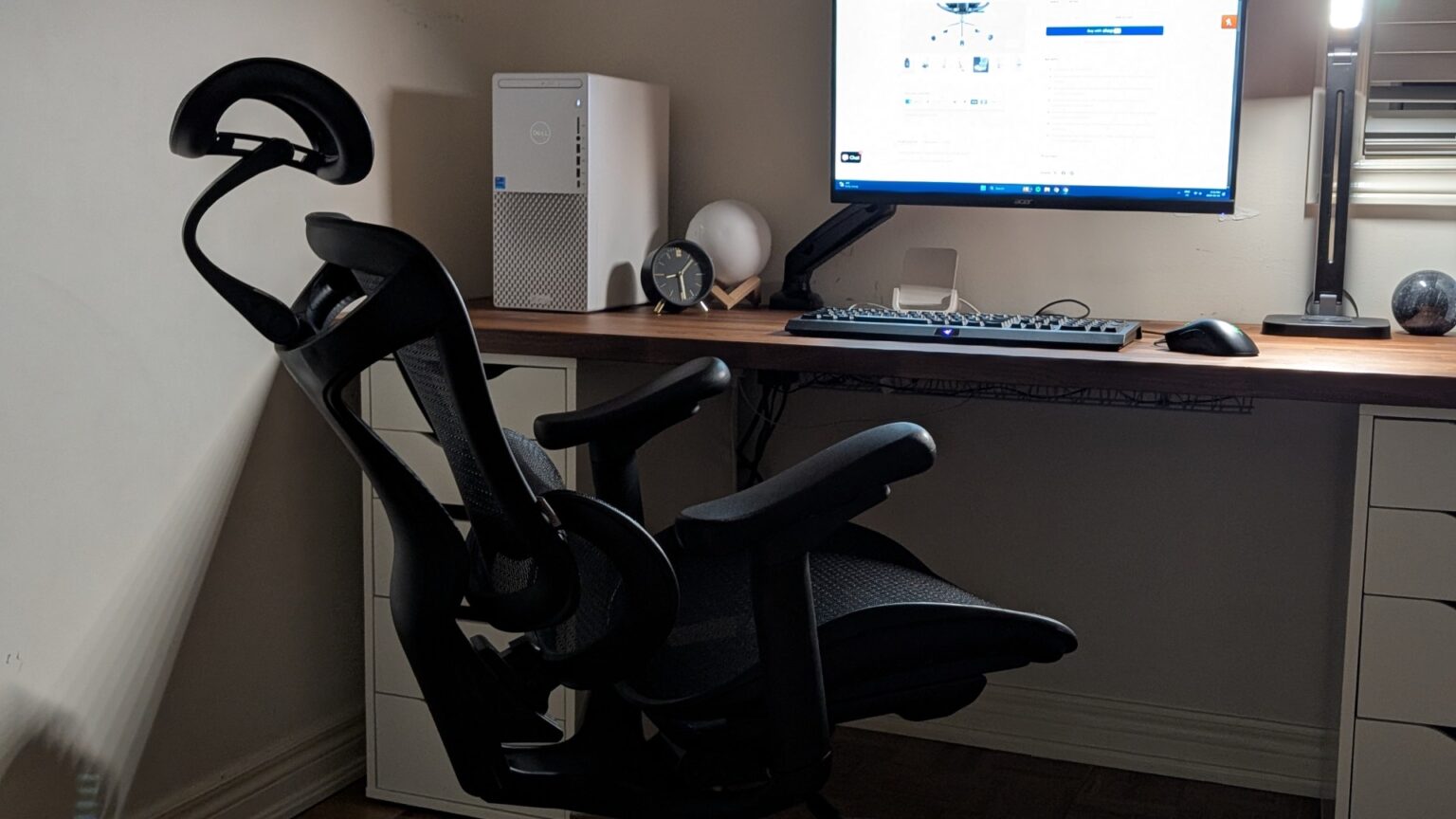
- Headrest Versatility: The headrest on the V2 features an extended vertical travel range, accommodating a broader spectrum of user heights, from approximately 5’2” to 6’4”.
Practical Considerations for Daily Use
In a professional setting, the effectiveness of an ergonomic chair is measured by its capacity to remain comfortable over an eight-hour period. The Doro C300 Pro V2 utilizes a breathable mesh material designed to facilitate airflow, which is a common requirement for high-intensity office environments where temperature control is variable. According to testing protocols used by International Organization for Standardization (ISO) committees for office chair safety and comfort, the durability of mesh tension is a key metric; the V2 mesh is rated for high-frequency use, though users should ensure they follow the manufacturer’s maintenance schedule to prevent sagging over time.
Assembly remains a factor for consumers, with the Pro V2 requiring a similar setup time to its predecessor. Most users can complete the assembly in approximately 20 to 30 minutes using the included hex key and hardware. For those working from home, it is important to verify that the chair’s dimensions—specifically the base diameter and the height of the armrests—are compatible with existing desk clearances, as the increased adjustability features can result in a slightly larger footprint than basic task chairs.
Future Updates and Availability
Sihoo has indicated that the Doro C300 Pro V2 will be the primary focus for their ergonomic office line throughout the current fiscal year. While there have been no official announcements regarding further iterations, the company typically provides updates to their product line based on feedback from regional distributors and customer support metrics. Users seeking official support, assembly guides, or warranty registration can find the most recent documentation on the manufacturer’s official support portal. As with all ergonomic furniture, potential buyers should check for local return policies, as individual body types and desk setups often dictate whether a specific chair provides the intended level of support.
For those interested in the ongoing development of ergonomic standards, the next major industry trade show, where new office furniture technology is typically showcased and reviewed by safety compliance experts, is scheduled for later this year. We will continue to monitor announcements regarding product updates and safety certifications. Please share your experiences with ergonomic office seating in the comments below, or join the discussion on our social channels.
Worth a look