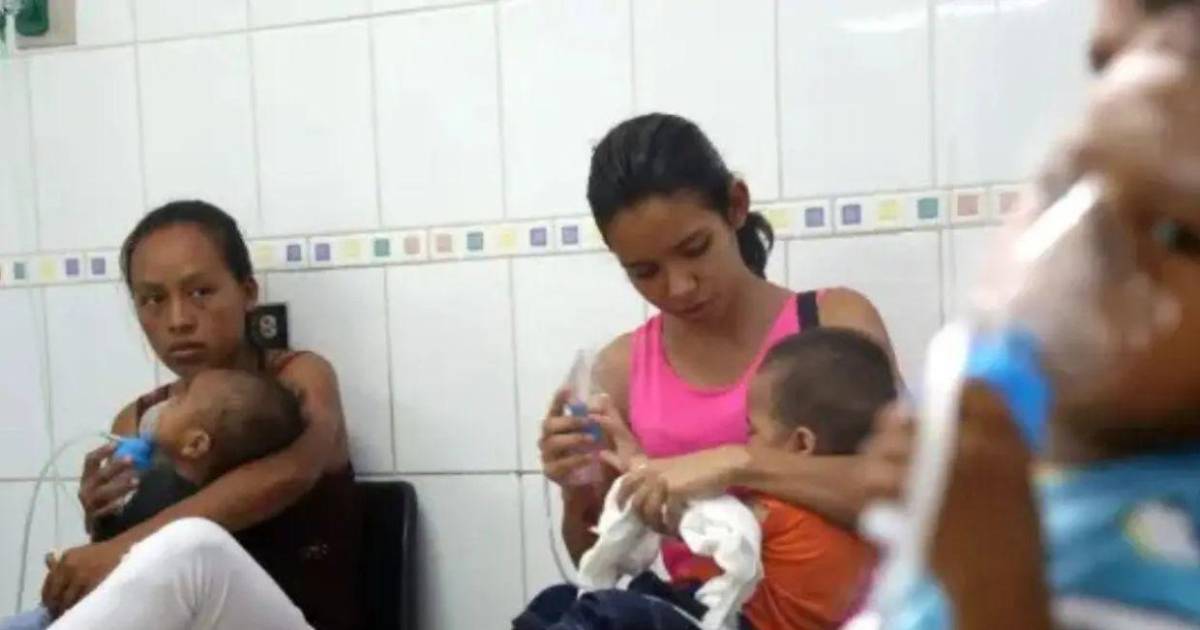
Public health officials are reporting a concurrent rise in respiratory viral infections and dengue fever cases, a trend often exacerbated by seasonal rainfall patterns in tropical and subtropical regions. The surge in illnesses, which includes influenza and respiratory syncytial virus (RSV), places significant demand on healthcare infrastructure as clinics manage overlapping symptom profiles in patients. According to the World Health Organization (WHO), dengue is a mosquito-borne viral infection common in tropical climates, while respiratory viruses tend to circulate more intensely during periods of increased humidity and indoor congregation.
Understanding the Seasonal Health Impact
The transition into rainy seasons often creates environmental conditions that favor both the proliferation of the Aedes aegypti mosquito—the primary vector for dengue—and the transmission of respiratory pathogens. Medical experts observe that standing water provides ideal breeding grounds for mosquitoes, leading to a rise in dengue cases. Simultaneously, changes in temperature and humidity levels, combined with behavioral shifts such as spending more time in enclosed spaces, facilitate the spread of viruses like influenza and RSV. The Pan American Health Organization (PAHO) notes that dengue outbreaks often correlate with periods of high precipitation, necessitating heightened vector control measures and public awareness campaigns.

Clinical Challenges of Overlapping Symptoms
Differentiating between dengue and respiratory infections presents a diagnostic challenge for primary care physicians. Both conditions frequently manifest with high fever, malaise, and body aches. However, the clinical management for each is distinct. Dengue requires close monitoring for warning signs of severe disease, such as plasma leakage or hemorrhage, whereas respiratory viruses generally involve supportive care for airway inflammation. According to the U.S. Centers for Disease Control and Prevention (CDC), clinicians must rely on a combination of travel history, local epidemiology, and laboratory testing to confirm a diagnosis, as clinical presentation alone is often insufficient to distinguish between these viral threats.
Public Health Strategies and Prevention
Effective prevention requires a dual approach targeting both vector-borne and airborne transmission. Public health authorities emphasize the importance of eliminating mosquito breeding sites—such as containers holding stagnant water—to curb dengue transmission. For respiratory viruses, the focus remains on vaccination, frequent hand hygiene, and the use of respiratory protection in crowded settings. The European Centre for Disease Prevention and Control (ECDC) underscores that robust surveillance systems are essential for identifying shifts in viral activity and ensuring that healthcare facilities have adequate resources to manage potential patient surges.
Risk Factors and Vulnerable Populations
Certain groups face a higher risk of complications from these overlapping health threats. Children, the elderly, and individuals with underlying chronic medical conditions are particularly susceptible to severe outcomes from respiratory infections. Regarding dengue, those living in areas with poor sanitation or inadequate housing are at an increased risk of mosquito exposure. Medical literature indicates that early medical intervention is critical in reducing mortality rates for both categories of illness. Healthcare providers encourage patients to seek professional evaluation if they experience persistent high fever or respiratory distress, rather than attempting self-diagnosis.
Looking Ahead: Surveillance and Reporting
The persistence of these health risks depends heavily on meteorological conditions and the effectiveness of local public health interventions. Health ministries worldwide continue to update their epidemiological bulletins to reflect current infection rates. Residents are advised to monitor official government health portals for localized advisories regarding vaccination schedules and vector control initiatives. As the season progresses, ongoing data collection will determine the efficacy of current mitigation strategies. For the most accurate and up-to-date information, individuals should refer to their national health ministry’s weekly surveillance reports. We invite our readers to share their local experiences or questions regarding these health trends in the comments section below.
Worth a look
- Inside the Era of Sadaharu Oh as Daiei Hawks Manager: Struggles, Strategy, and Secrets
- Abdominal Fat and Nutrition: DXA Measurement Insights from The Journal of Nutrition
- Theaterverein Bühnen-Virus 22 startet neues Einsteigerkurs-Projekt in Gränichen (archynewsy.com)
- New Cases of Dengue, Chikungunya, and West Nile Virus Detected in France (newsdirectory3.com)