
Deep Ellum, a historic district located just east of downtown Dallas, Texas, serves as a prominent hub for street art and mural culture, drawing visitors and local artists to its industrial-era architecture. According to the Dallas Convention & Visitors Bureau, the neighborhood, which dates back to the late 19th century, has transformed from a warehouse district into a center for nightlife, music venues, and expansive public art installations that define its modern aesthetic.
The Evolution of the Deep Ellum Mural Scene
The visual identity of Deep Ellum is largely shaped by its concentration of outdoor murals, which are frequently commissioned by local businesses or coordinated through community initiatives. These works often reflect the neighborhood’s history as a center for blues and jazz music, where artists such as Blind Lemon Jefferson once performed in the 1920s and 1930s. The Deep Ellum Foundation, a non-profit organization focused on the area’s revitalization, actively manages the visual landscape of the district to balance commercial growth with the preservation of its artistic heritage.
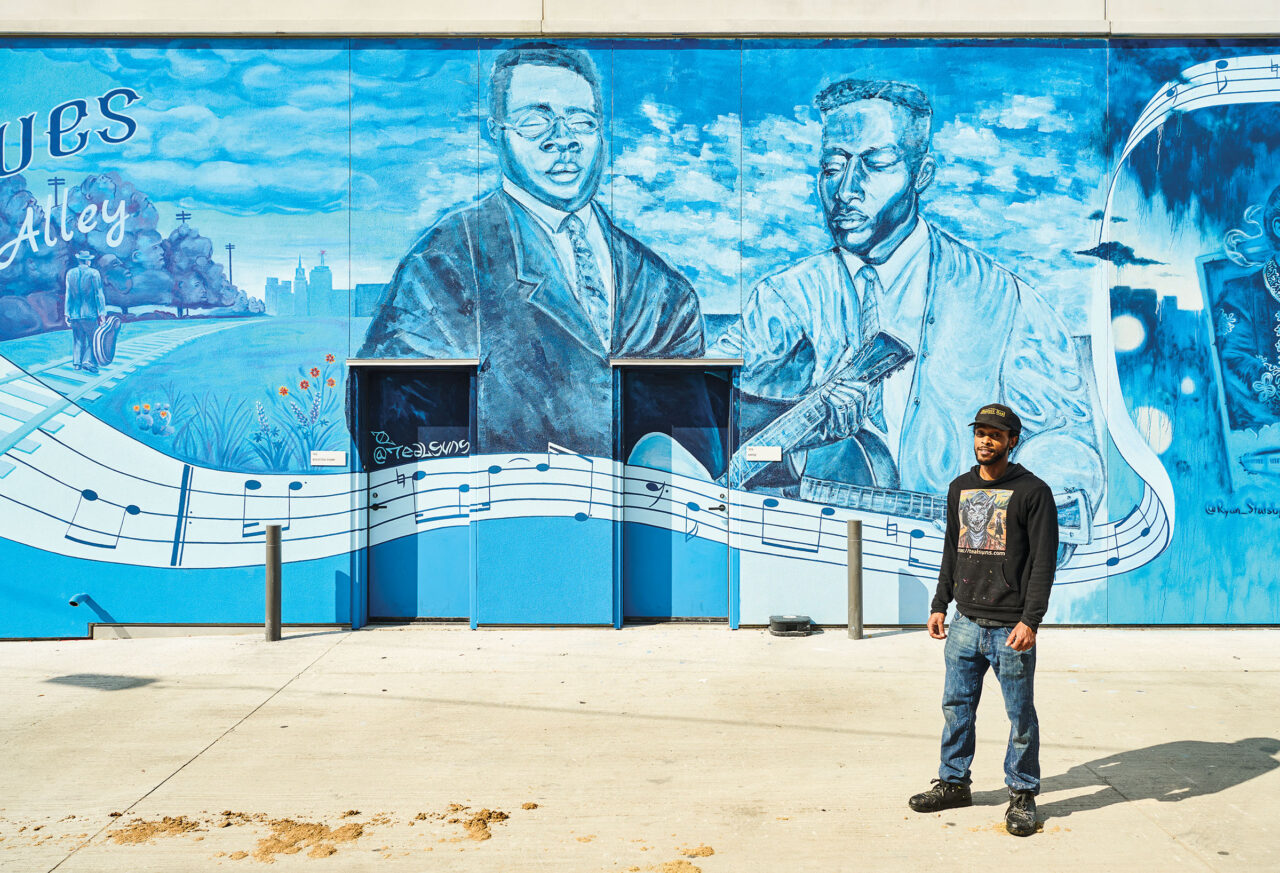
Public art in the district is not static; it is subject to frequent updates as property owners and local artists collaborate on new commissions. The street art serves as a primary driver of foot traffic, with many visitors touring the area specifically to view works that incorporate themes of Texas culture, musical history, and contemporary social commentary. The density of these murals has made the neighborhood a frequent subject for urban photography and tourism marketing campaigns throughout the Dallas-Fort Worth metroplex.
Infrastructure and Preservation Efforts
Maintaining the artistic integrity of Deep Ellum involves a complex interplay between private property rights and urban planning initiatives. Because most murals are painted on privately owned buildings, the longevity of any given piece is determined by the property owner’s maintenance schedule or future development plans. As reported by the Dallas Morning News, developers in the area have faced pressure from residents and preservationists to ensure that new construction does not erase the cultural markers that define the neighborhood’s character.
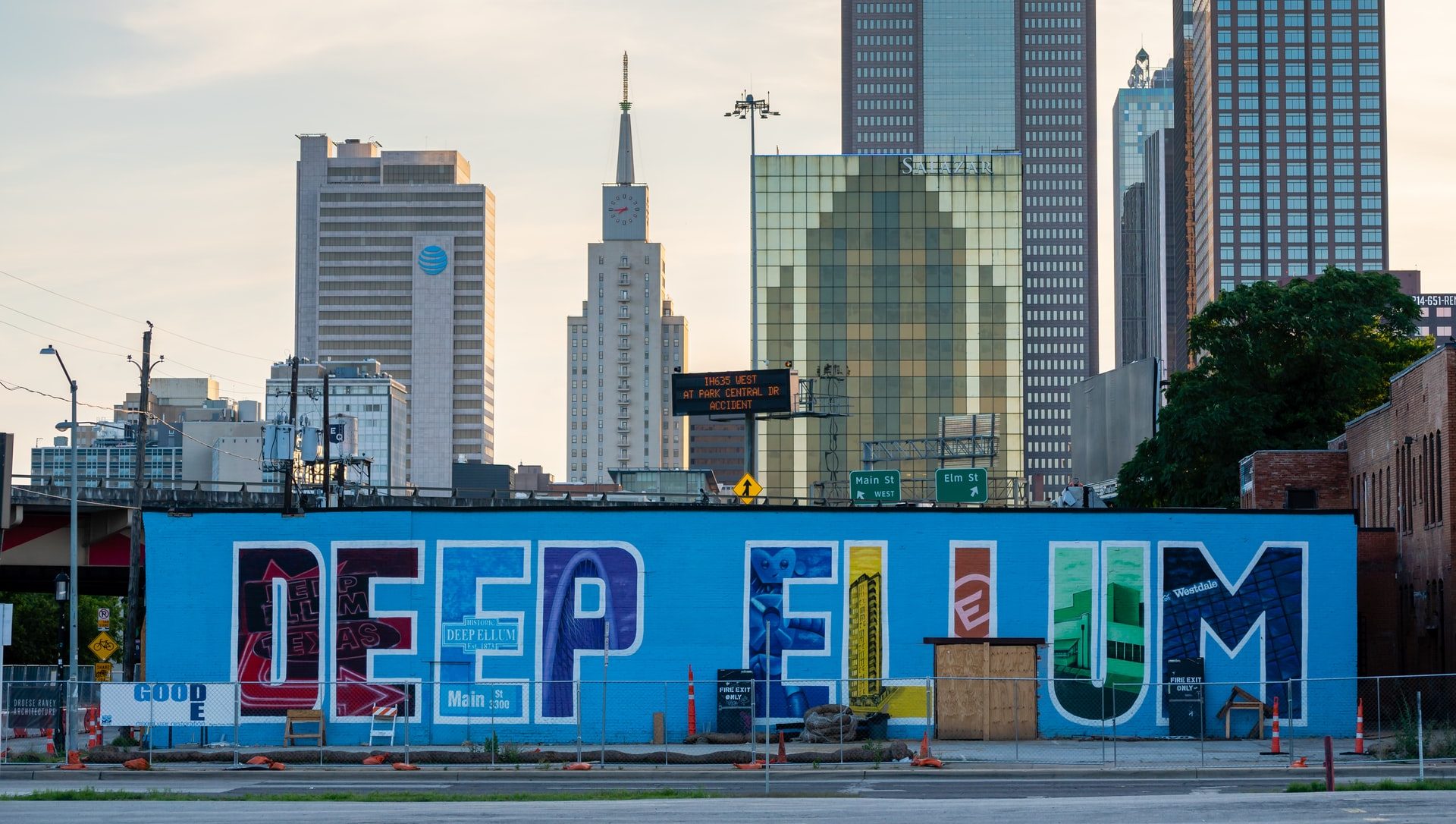
The city of Dallas periodically reviews zoning and public safety measures to accommodate the high volume of pedestrians that the art scene attracts. These measures include improved street lighting, sidewalk accessibility, and traffic management, particularly during weekend evenings when the district experiences its highest density of visitors. The city maintains a Planning and Urban Design department that oversees the long-term development strategies for historic districts, ensuring that public art remains a central component of the area’s economic and cultural strategy.
Economic Impact of Cultural Tourism
The street art scene functions as a cornerstone of the local economy, supporting a diverse ecosystem of bars, restaurants, and independent retailers. Data from the Dallas tourism board indicates that arts-related tourism accounts for a significant portion of the district’s annual revenue. By providing a walkable, visually engaging environment, Deep Ellum differentiates itself from other commercial hubs in North Texas, creating a unique “brand” that attracts both regional and international tourists.
Business owners in the area often report that the presence of high-quality murals increases the visibility of their storefronts and encourages social media engagement, which acts as free, organic marketing. This symbiosis between commercial interests and the arts has led to an increase in organized mural festivals, where artists are invited to refresh existing walls, ensuring that the neighborhood remains a dynamic and evolving canvas rather than a static historical site.
Visitor Guidance and Future Developments
For visitors planning to explore the street art of Deep Ellum, the best time to view the murals is during daylight hours, as the natural light provides the best conditions for photography and detail appreciation. While many murals are visible from the main thoroughfares like Elm, Main, and Commerce streets, some of the most intricate works are located in the alleys and secondary streets that define the district’s original layout.

The next major public planning update for the broader Dallas downtown and near-east area is expected to be released during the upcoming Dallas City Council legislative sessions. Residents and business owners interested in the ongoing development of the district can monitor official city portals for upcoming hearings regarding zoning changes or urban improvement projects. Comments on the impact of these developments on the neighborhood’s artistic culture are encouraged through the city’s public participation channels.