In the evolving landscape of corporate communications, the role of a marketing coordinator has become increasingly pivotal for organizations looking to bridge the gap between strategic planning and public engagement. For businesses operating in hubs like Richmond Hill, Ontario, the position often serves as a vital nexus, requiring professionals to balance internal administrative support with the execution of multifaceted promotional campaigns. As companies refine their outreach efforts, the expectations for those in coordination roles have shifted toward a more integrated approach, necessitating close collaboration with management and external partners alike.
The core objective for a marketing coordinator in this environment is to provide operational support while ensuring that brand messaging remains consistent across various channels. By working in tandem with market managers and communications staff, these professionals help translate high-level strategies into actionable event marketing tactics. This collaborative framework is essential for businesses that rely on direct consumer engagement, such as trade shows, community outreach events, or corporate functions, where the success of an initiative is often measured by the effectiveness of the underlying communication strategy.
Defining the Role of a Marketing Coordinator
At its foundation, a marketing coordinator is responsible for the day-to-day management of marketing tasks. In the context of a business environment in a region like Richmond Hill, this often involves a diverse set of responsibilities. These individuals typically act as the primary point of contact for internal stakeholders, ensuring that projects remain on schedule and within the defined scope. According to industry standards for professional development, the role encompasses everything from maintaining project timelines to facilitating communication between departments, such as sales and product development, to ensure that marketing materials are both accurate and timely.
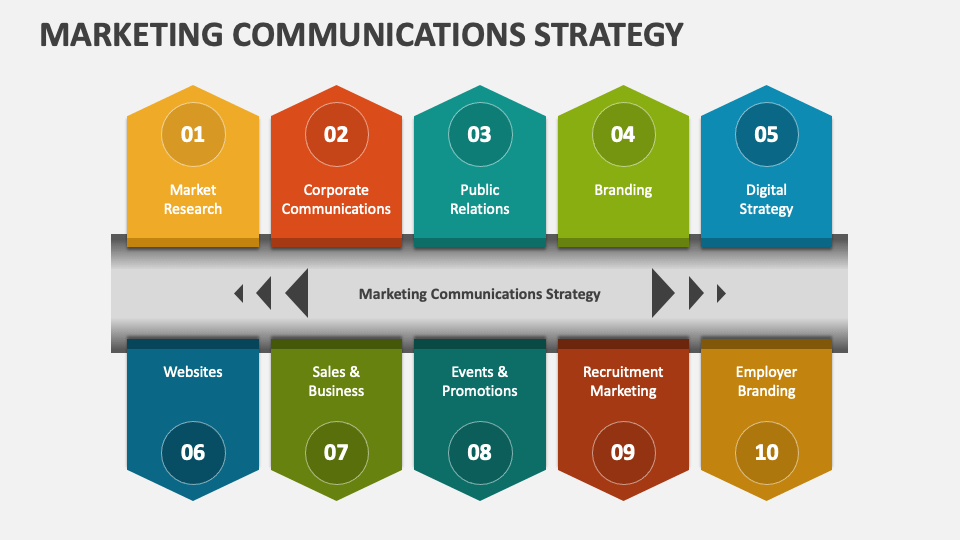
the position requires a high degree of adaptability. When working with communications staff, a coordinator must be adept at drafting content, managing social media schedules, and monitoring the effectiveness of specific campaigns. In many organizations, the ability to analyze data—such as attendance metrics at events or engagement rates on digital platforms—is increasingly valued, as it allows the team to pivot strategies in real time based on observed performance. This analytical requirement highlights the growing importance of technical literacy in what was previously considered a primarily administrative function.
Strategic Collaboration in Event Marketing
Event marketing remains a cornerstone for many organizations aiming to build brand loyalty and generate leads. For a marketing coordinator, this involves more than just logistical planning; it requires a deep understanding of the brand’s identity and the intended audience. By collaborating with a market manager, the coordinator helps identify which events align with the company’s broader business goals. This synergy ensures that every event, whether it is a small-scale workshop or a large industry conference, serves a specific purpose in the company’s growth strategy.

The integration of partners is another critical component of this role. In many instances, companies collaborate with external agencies, local vendors, or community organizations to execute their marketing vision. The marketing coordinator often serves as the liaison, managing these relationships to ensure that all parties are aligned with the project’s objectives. This requires strong interpersonal skills and the ability to negotiate timelines and deliverables, often under the pressure of tight deadlines. Effective coordination in this area is what often distinguishes a successful campaign from one that fails to gain traction with the target audience.
Key Competencies for Success
To excel in this role, professionals must cultivate a specific set of skills that go beyond traditional marketing theory. The following areas represent the current industry expectations for coordinators in competitive markets:
- Project Management: The ability to track multiple workstreams, manage budgets, and meet deadlines is non-negotiable.
- Cross-Functional Communication: Coordinating effectively between internal teams and external stakeholders requires clarity and professional diplomacy.
- Data Literacy: Understanding how to interpret performance metrics and translate them into actionable insights for the market manager.
- Strategic Alignment: Ensuring that all tactical marketing efforts—whether digital or event-based—are directly contributing to the organization’s long-term business goals.
Navigating the Professional Landscape in Ontario
The business climate in the Greater Toronto Area, including Richmond Hill, remains highly competitive, with a strong demand for marketing talent that can navigate both digital and physical event spaces. For those seeking career progression in this field, understanding the local economic context is essential. Organizations in this region often look for candidates who demonstrate an understanding of the specific demographics and consumer behaviors that define the local market. By aligning individual skills with the needs of the local business ecosystem, coordinators can provide significant value to their employers.

Professional development remains a priority for those in the marketing sector. Organizations such as the Canadian Marketing Association often provide resources, certifications, and industry standards that help professionals stay current with rapidly changing trends. Engaging with these professional networks can provide the necessary edge in a career path that is increasingly focused on measurable impact and ROI-driven strategies. As the industry continues to evolve, the ability to balance creative execution with disciplined coordination will remain the defining trait of a successful marketing professional.
For those currently operating in or seeking entry into the marketing field, the next step involves monitoring organizational announcements and industry job boards for new opportunities that emphasize collaborative, strategy-driven roles. Staying informed about shifts in local business requirements will be critical for long-term career growth. We encourage our readers to share their experiences regarding the evolving nature of marketing coordination in the comments section below, or to join the conversation on our social media platforms as we continue to track these professional trends.
Related reading