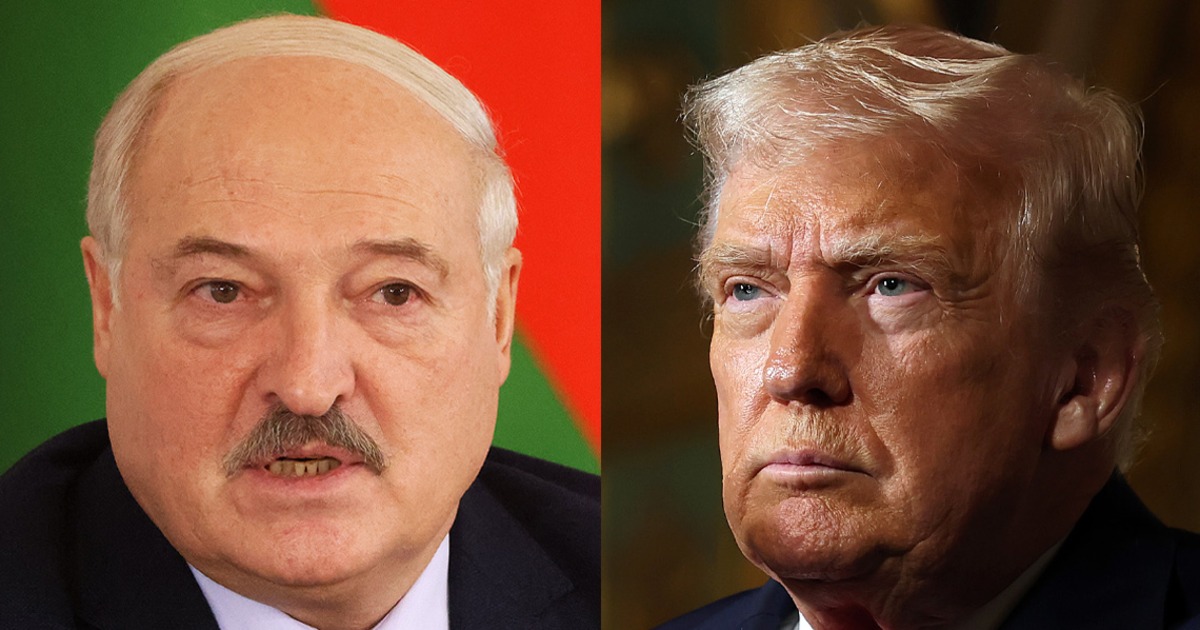
In the evolving landscape of transatlantic diplomacy, the potential for a shift in the United States’ posture toward Belarus has become a subject of intense scrutiny among international policy experts. Alexander Lukashenko, who has maintained an iron grip on Belarusian governance for three decades, finds himself at a unique junction in global affairs. As the administration of President-elect Donald Trump prepares to assume office in January 2025, observers are closely monitoring whether the incoming U.S. Leadership will seek to initiate a thaw in relations with a leader long isolated by Western sanctions and diplomatic censure.
The prospect of a diplomatic rapprochement with the man often described by international media as Europe’s last dictator involves a complex web of geopolitical interests. For years, the Belarusian government has faced severe restrictive measures from the European Union and the United States, particularly following the disputed 2020 presidential election and the subsequent crackdown on civil society, which human rights organizations have documented extensively. The question remains whether a change in Washington’s approach could alter the security architecture of Eastern Europe, especially given Minsk’s strategic alliance with the Kremlin.
To understand the gravity of these potential developments, one must look at the existing framework of international pressure. The U.S. Department of the Treasury continues to maintain a robust sanctions program targeting Belarusian individuals and entities identified as facilitating the regime’s activities or supporting the Russian Federation’s invasion of Ukraine. According to the U.S. Department of the Treasury, these measures remain a cornerstone of American policy toward the region, aimed at promoting accountability for human rights abuses and the undermining of democratic processes.
The Geopolitical Calculus of Engagement
The strategic rationale for any potential outreach by a new U.S. Administration toward Minsk would likely be rooted in a desire to decouple Belarus from its deep dependence on Moscow. Since the 2020 protests, Lukashenko has become increasingly reliant on the Russian Federation for economic stability and security guarantees. Analysts suggest that any move to bring Belarus “in from the cold” would require a significant recalibration of U.S. Foreign policy that moves beyond the established “containment” model.
However, proponents of a hardline stance argue that any easing of isolation would undermine the democratic opposition, led by figures such as Sviatlana Tsikhanouskaya, who continues to operate in exile. The Belarus Democracy, Human Rights, and Sovereignty Act of 2020 serves as a legislative mandate for the U.S. To support the aspirations of the Belarusian people for a democratic, sovereign state. Any deviation from this policy would likely face stiff resistance from bipartisan coalitions in the U.S. Congress, who view Lukashenko’s alignment with Vladimir Putin as an existential threat to regional stability.
the humanitarian dimension cannot be overlooked. The United Nations Office of the High Commissioner for Human Rights (OHCHR) has reported on the systematic suppression of dissent, noting that thousands of political prisoners remain in detention. The UN experts have consistently urged for the immediate and unconditional release of all individuals detained for exercising their fundamental rights, highlighting the immense gap between the current reality in Minsk and the international standards required for normalized diplomatic relations.
Potential Shifts in Regional Security
The security implications of any U.S.-Belarusian engagement are profound. Belarus shares borders with NATO members Poland, Lithuania, and Latvia, and has served as a staging ground for Russian military operations. During the 2022 invasion of Ukraine, the Belarusian territory was utilized by Russian forces to launch the northern front of the offensive. The North Atlantic Treaty Organization (NATO) has repeatedly condemned the Belarusian regime’s involvement, citing it as a major factor in the destabilization of the Euro-Atlantic security environment.
For a thaw in relations to gain traction, a new administration would need to navigate the delicate balance between realpolitik and the commitment to democratic values. Some political strategists suggest that engagement could be framed as a “wedge strategy” designed to weaken the Russia-Belarus Union State. Yet, critics warn that Lukashenko has proven adept at manipulating Western overtures to buy time and resources without ever conceding on domestic political reforms.
Key Considerations for the Upcoming Administration
- Sanctions Compliance: The existing architecture of sanctions is multi-layered, involving both executive orders and legislative mandates. Unwinding these would require a formal review process and, in many cases, congressional approval.
- Human Rights Benchmarks: Any serious diplomatic dialogue would likely be predicated on the release of political prisoners, a condition Minsk has historically been reluctant to meet in full.
- Regional Alliances: A unilateral U.S. Shift could potentially alienate European partners, particularly Poland and the Baltic states, who view the current regime in Minsk as a direct security threat.
- The Russian Factor: Any perceived rapprochement would be viewed with deep suspicion in Moscow, potentially triggering a compensatory response from the Kremlin to ensure Belarus remains firmly within its orbit.
Looking Ahead: The Path to January 2025
As the transition period progresses, the rhetoric emanating from the Trump transition team regarding Eastern Europe will be the primary indicator of whether a radical departure from the status quo is imminent. While the President-elect has historically favored a transactional approach to international relations, the institutional reality of the U.S. Foreign policy apparatus—including the State Department and the intelligence community—often acts as a moderating force on rapid policy reversals.
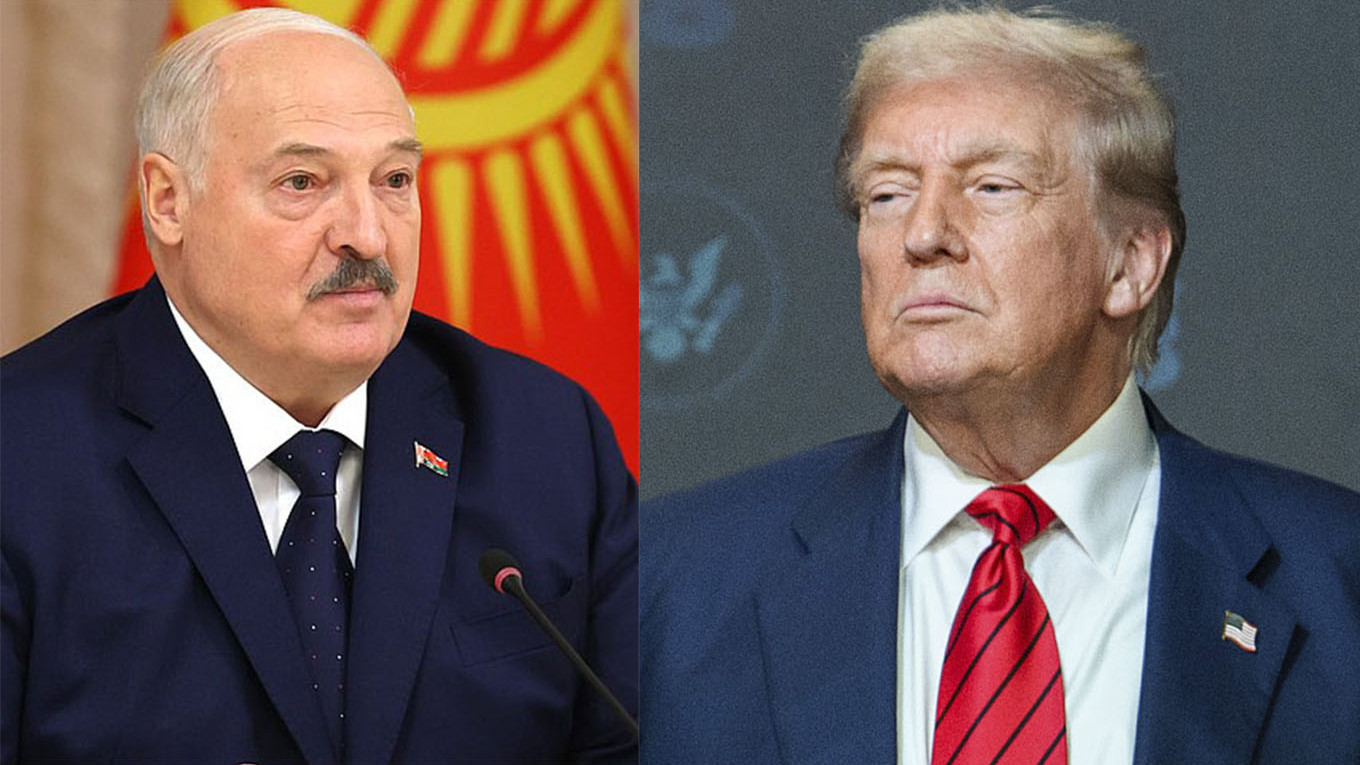
The next major checkpoint for this evolving story will be the confirmation hearings for Cabinet-level positions, particularly the Secretary of State. During these sessions, nominees will likely be pressed by the Senate Foreign Relations Committee to articulate a clear strategy regarding the Belarusian regime. Observers should also watch for any potential executive actions or policy directives issued shortly after the January 20, 2025 inauguration, which will signal the administration’s immediate priorities in the region.
Reporting on these developments requires a commitment to monitoring official government filings, legislative updates, and the evolving rhetoric from both Washington and Minsk. As the global community watches these potential shifts, the core question remains: can the interests of a sovereign, democratic Belarus be reconciled with the pragmatic needs of international diplomacy? The coming months will undoubtedly provide the answer.
What are your thoughts on this potential shift in international policy? We invite our global readers to share their analysis and insights in the comments section below. Stay tuned to World Today Journal for ongoing coverage of this developing story as we track the official transition and the resulting impacts on global stability.
Related reading