
In a dramatic shift signaling the high-stakes nature of U.S.-China tech diplomacy, Nvidia CEO Jensen Huang has been added to President Donald Trump’s delegation for this week’s high-profile trip to China—a move that follows his earlier exclusion from initial business leader rosters. The inclusion underscores the critical role of the semiconductor industry in shaping global economic and geopolitical strategies, as tensions between Washington and Beijing remain at a boiling point over trade, technology transfers, and market access.
The announcement comes as the U.S. And China continue their fierce competition in artificial intelligence, advanced computing, and next-generation chip design. Huang, whose company dominates the AI accelerator market with its cutting-edge GPUs, has become a key figure in the debate over whether American tech firms should engage with Chinese markets amid growing restrictions on exports, and investments. His last-minute addition to the delegation—confirmed by the White House on Tuesday—reflects both the urgency of securing U.S. Interests in the region and the delicate balancing act required in navigating relations with China’s tech sector.
While the White House has not disclosed the specific reasons for Huang’s initial omission from the list of business leaders accompanying Trump, industry analysts suggest the exclusion may have stemmed from concerns over Nvidia’s expanding operations in China, including its recent partnerships with local firms to develop AI chips tailored for the Chinese market. The reversal highlights the fluid nature of diplomatic engagements in the tech sector, where economic imperatives often clash with national security priorities.
Why Jensen Huang’s Inclusion Matters
Huang’s presence on the trip is more than a symbolic gesture—it carries significant weight in the broader context of U.S. Efforts to maintain influence in the global semiconductor supply chain. Nvidia’s technology underpins everything from data centers to autonomous vehicles, making its CEO a linchpin in discussions about trade policies, export controls, and the future of AI innovation. His inclusion also sends a message to Chinese officials about the U.S. Government’s commitment to engaging directly with the most influential figures in the tech industry, even as regulatory pressures mount.

For China, the visit presents an opportunity to reassure U.S. Business leaders that despite ongoing trade disputes, the door remains open for collaboration—particularly in areas where Chinese firms are seeking access to advanced American technology. However, the trip also comes as Beijing tightens its grip on domestic tech champions, including restrictions on data flows and demands for greater localization of foreign investments. The contrast between the two nations’ approaches to technology governance could dominate discussions during Huang’s meetings with Chinese officials.
Background: The Exclusion and Its Implications
Earlier this week, reports emerged that Huang had been left off the initial list of U.S. Business leaders invited to join Trump’s delegation, a snub that sparked speculation about shifting priorities in the administration’s tech diplomacy. The omission was particularly notable given Nvidia’s pivotal role in the U.S. Push to lead the AI revolution. While the White House has not provided a definitive explanation, industry observers have pointed to two primary possibilities:
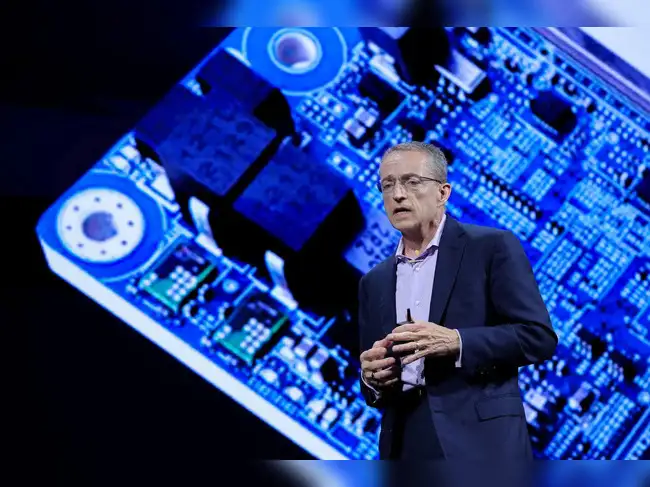
- Strategic messaging: The exclusion may have been intentional, aimed at signaling to Chinese counterparts that the U.S. Is willing to take a harder line on tech transfers and market access. By later inviting Huang, the administration could be attempting to soften the blow while still asserting its stance.
- Logistical adjustments: The addition may reflect last-minute changes to the delegation’s agenda, prioritizing direct engagement with a CEO whose company is at the forefront of both commercial and geopolitical tensions.
Regardless of the reason, the reversal underscores the volatility of U.S.-China relations in the tech sector. The two nations are locked in a race to dominate the next generation of computing, with implications for everything from military capabilities to economic growth. Huang’s inclusion suggests that, for now, the U.S. Is opting for engagement over isolation—at least in the short term.
What’s Next for Nvidia and U.S.-China Tech Diplomacy?
The trip to China is not the first time Huang has found himself at the center of U.S. Policy debates. In recent months, Nvidia has faced scrutiny over its sales of AI chips to China, leading to temporary restrictions by the U.S. Government. The company has argued that its technology is dual-use—beneficial for both civilian and military applications—and that outright bans could harm global innovation. Huang’s discussions with Chinese officials will likely focus on finding a middle ground, one that allows for continued trade while addressing U.S. Concerns about technology proliferation.
For Trump, the trip represents a rare opportunity to demonstrate that his administration remains engaged with China’s tech sector, even as broader diplomatic relations remain strained. The inclusion of Huang—alongside other business leaders—could be part of a broader strategy to signal that the U.S. Is open to dialogue, provided that Chinese partners are willing to meet American demands on issues like intellectual property and market access.
Looking ahead, the outcome of these discussions will be closely watched by investors, policymakers, and tech companies on both sides of the Pacific. If the talks yield concrete agreements—such as new export guidelines or joint ventures—it could ease some of the tensions plaguing the semiconductor industry. However, if no progress is made, the tech cold war between the U.S. And China may only intensify, with further restrictions on trade and investment.
Key Takeaways
- Diplomatic shift: Nvidia CEO Jensen Huang’s last-minute inclusion in Trump’s China delegation marks a significant reversal from his earlier exclusion, reflecting the high stakes of U.S.-China tech relations.
- Semiconductor supremacy: The trip underscores the critical role of the chip industry in global power dynamics, with both nations vying for dominance in AI and advanced computing.
- Regulatory tensions: Nvidia’s operations in China remain under scrutiny, with U.S. Export controls and Chinese localization demands creating a complex landscape for foreign tech firms.
- Engagement vs. Isolation: The inclusion of Huang suggests the U.S. Is prioritizing direct engagement with key industry leaders, even as broader diplomatic relations remain fraught.
- Economic and security implications: The outcome of the trip could have far-reaching consequences for trade policies, investment flows, and the future of global tech innovation.
Where to Follow Updates
For the latest developments on U.S.-China tech diplomacy, including statements from Nvidia and the White House, readers can monitor the following sources:
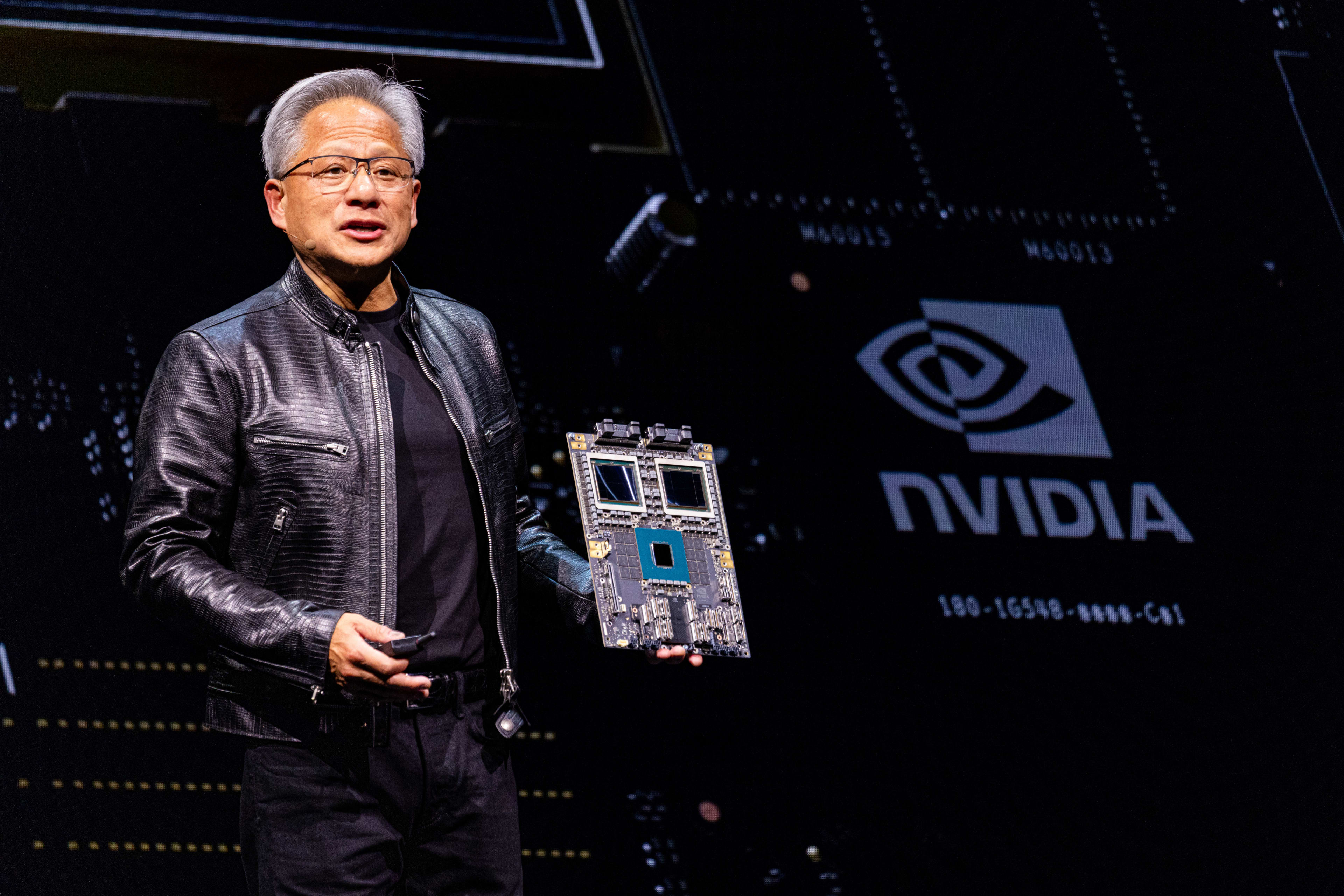
- White House official statements
- Nvidia Investor Relations
- U.S. Department of Commerce (Bureau of Industry and Security)
- Ministry of Commerce of the People’s Republic of China
The next major checkpoint will be the conclusion of Trump’s China visit, expected by May 17, 2026. Any joint statements or agreements reached during the trip will provide further clarity on the direction of U.S.-China tech cooperation—or the lack thereof.
This story is developing. For live updates and analysis, follow World Today Journal and share your thoughts in the comments below.
- NYC New Second-Home Tax Rollout Sparks Chaos, Exemptions, and Backlash
- Newark Mayor Identifies Dead Detainee Edwin Lopez-Cornejo Amid Center Scrutiny
- Bob Onder Meets With NFIB Small Business Owners in Jefferson City (news-usa.today)
- Trump Slams Iran’s Duplicity and Warns Blockade Will Remain Amid Stalled Talks (world-today-news.com)