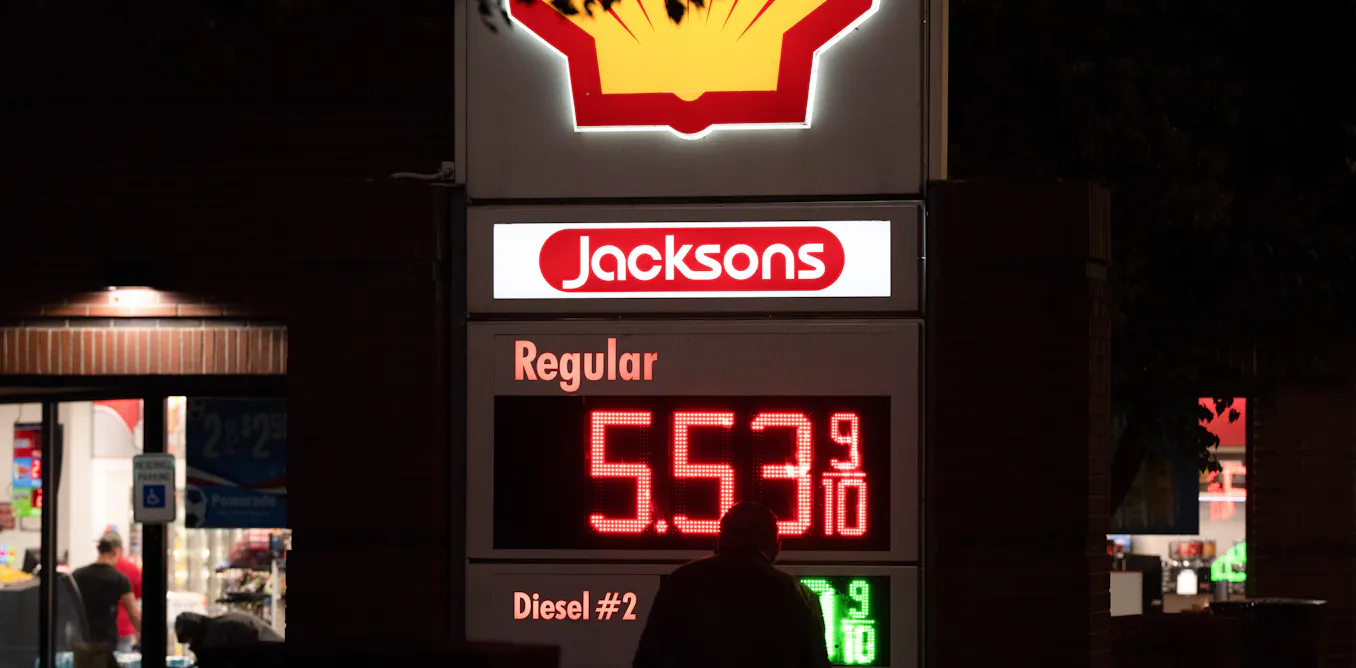
Why Suspending the Federal Gas Tax Won’t Save Drivers Much—Here’s What Really Drives Gas Prices
With gasoline prices hovering near $4.50 a gallon in mid-May 2026, policymakers are once again proposing to suspend federal gas taxes as a quick fix for drivers. But economists warn that the relief would be minimal—and temporary. While suspending the 18.4-cent federal gas tax (or the 24.3-cent diesel tax) might seem like a straightforward way to lower prices, the reality is far more complex. Only about 18% of the price at the pump comes from taxes, and even if that entire amount were passed directly to consumers, national average prices would drop by just 4%. In high-cost states like California, the impact would be even smaller.
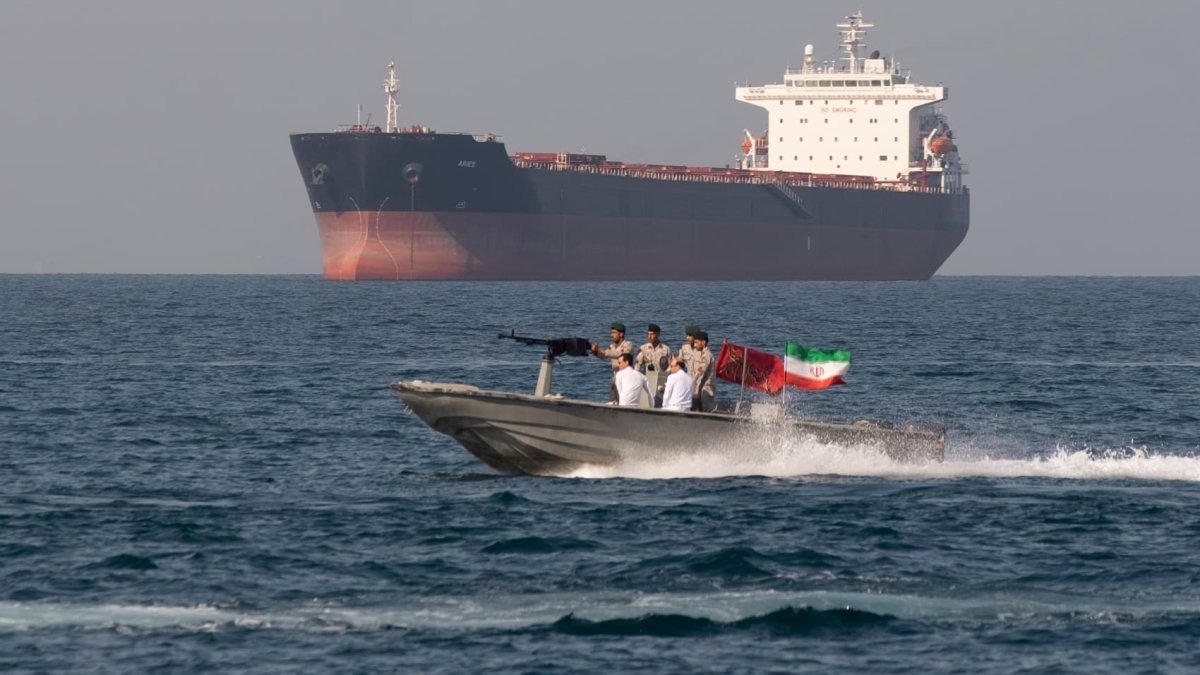
The price of gasoline is the sum of four key components: the cost of crude oil, refining, distribution and marketing, and taxes. Of these, crude oil is by far the largest factor, accounting for roughly 51% of the retail price in early 2026. When crude prices spike—such as during the current supply disruptions in the Strait of Hormuz—this share can balloon to over 60%. Meanwhile, taxes make up a smaller but still significant portion, while refining and logistics costs add another 31% to the final price.
Yet the debate over gas taxes obscures a more pressing question: Why are prices so high in the first place? The answer lies in global oil markets, domestic refining constraints, and regulatory quirks—factors that tax holidays cannot address. Below, we break down what’s really behind the pump price and why quick fixes often fall short.
Key Takeaways
- Taxes account for only 18% of gas prices—suspend them, and you’d still see minimal relief at the pump.
- Crude oil drives 51% of prices—supply shocks like the Iran war are the real culprit behind recent spikes.
- California’s prices are 20–30 cents higher due to refinery shortages and market inefficiencies.
- The Jones Act adds ~1.5 cents/gallon to East Coast prices by restricting fuel transport between U.S. Ports.
- Gas tax holidays hurt infrastructure by starving road and bridge funds while shifting costs to future drivers.
- Long-term solutions include electric vehicles, fuel efficiency, and harmonizing regulations across states.
Crude Oil: The Biggest Factor You Can’t Control
The price of crude oil is the single biggest driver of gasoline costs, and it’s largely beyond the control of domestic policymakers. In early 2026, crude accounted for about half of the retail price, but this share can swing dramatically. When crude prices rise sharply—such as during the current conflict in Iran—oil’s share of the pump price can exceed 60%. Conversely, when crude prices drop, taxes and logistics become a larger portion of the cost.

Most price swings are driven by global demand and expectations, not supply disruptions, according to research by economist Lutz Kilian. However, the war in Iran represents a classic supply shock: attacks on Middle Eastern infrastructure and disruptions in the Strait of Hormuz have removed millions of barrels per day from global markets. Unlike demand-driven spikes, supply shocks force consumers to pay more without the option to reduce consumption quickly.
“Most drivers can’t instantly cut back on driving when prices rise,” notes Severin Borenstein, an energy economist at UC Berkeley. “That means higher crude costs translate directly into higher prices at the pump.”
Why Gas Tax Holidays Fall Short
Proposals to suspend federal or state gas taxes have gained traction in recent months, with bills introduced in the Senate and House. States like Indiana, Georgia, and Utah have already suspended their gas taxes for part of 2026, and others are considering similar measures. But economists warn that the savings would be limited—and short-lived.

Historical data shows that consumers receive only about 79% of the tax reduction during gas tax holidays. The remaining 21% is retained by oil companies and retailers, either as profit or to offset other costs. Even if the full tax cut were passed to consumers, national average prices would drop by just 4%. In California, where state taxes alone add 70.9 cents per gallon, the impact would be even smaller.
“The idea that suspending taxes will solve the problem is a myth,” says Borenstein. “Taxes are a small part of the equation, and even if they were eliminated entirely, prices would still be driven by crude costs, refining margins, and logistics.”
The California Puzzle: Why Prices Are So High (Even Without Taxes)
California’s gasoline prices have long been above the national average, but the gap widened significantly after a refinery fire in Torrance in 2015. Since then, the state’s prices have been 20–30 cents per gallon higher than would be expected based on taxes and environmental regulations alone. Borenstein calls this the “mystery gasoline surcharge,” attributing it to limited competition among refineries and gas stations.
California’s Division of Petroleum Market Oversight estimates this surcharge has cost drivers $59 billion from 2015 to 2024. While the exact beneficiaries remain unclear—likely a mix of refineries and gas stations—the lack of pipeline connections to other U.S. Refining regions exacerbates the issue. “California is geographically isolated,” Borenstein explains. “Without pipelines bringing fuel in from other states, the market is less competitive, and prices stay higher.”
Distribution and Marketing: The Hidden Costs of Getting Fuel to Your Tank
Beyond crude and taxes, the cost of moving gasoline from refineries to service stations adds another 11% to the retail price. This includes pipeline fees, trucking, rail transport, and wholesale terminal costs. At the retail level, gas station operators face additional expenses like rent, labor, credit card fees (up to 10 cents per gallon), and franchise fees to brands like ExxonMobil or Sunoco.
Most gas station owners earn only a few cents per gallon on fuel itself—which is why many stations are really convenience stores with pumps. Borenstein’s research also shows that retail prices rise quickly when wholesale costs climb but fall slowly when wholesale costs drop, creating a “sticky” price dynamic that benefits retailers.
The Jones Act: A Small but Costly Law
The 1920 Jones Act requires cargo moving between U.S. Ports to use vessels built, owned, and crewed by Americans. Of the world’s 7,500 oil tankers, only 54 meet these requirements—and just 43 can transport refined fuels like gasoline. This restriction forces some U.S. Gasoline to be exported overseas while the Northeast imports fuel, despite ample refining capacity on the Gulf Coast.
Economists Ryan Kellogg and Rich Sweeney estimate the Jones Act raises East Coast gasoline prices by about 1.5 cents per gallon, costing drivers roughly $770 million annually. In response to the Iran crisis, the Trump administration temporarily suspended the Jones Act—a move typically reserved for hurricanes disrupting Gulf Coast refineries.
Permanent repeal could have broader economic effects, including lower costs for rail and truck transport of all goods, reduced emissions, and less infrastructure damage. However, the immediate impact on gasoline prices would be minimal.
The Broader Impact of Gas Tax Holidays
Beyond the limited price relief, gas tax holidays have unintended consequences. Gas taxes fund road and bridge maintenance, and suspending them shifts those costs onto future drivers and general taxpayers. Fuel taxes are meant to account for external costs like carbon emissions, air pollution, and traffic congestion—costs that society already bears at levels far below their true economic impact.
“Removing taxes on drivers effectively raises costs for everyone else,” Borenstein warns. “It’s a regressive policy that punishes those who can least afford it while doing little to address the root causes of high prices.”
What Actually Lowers Gas Prices?
For lasting relief, policymakers and consumers must focus on structural solutions:
- Electric vehicles (EVs) and hybrids: Reducing dependence on gasoline is the most effective long-term strategy.
- Harmonizing fuel regulations: Aligning environmental standards across states could lower costs, though it might increase emissions in some areas.
- Expanding refining capacity: Investing in new refineries or modernizing existing ones could ease supply constraints.
- Reforming the Jones Act: Permanent changes could lower transport costs for all goods, not just gasoline.
Until then, the best protection against oil price shocks remains clarity—and a realistic understanding of what drives those prices. As Borenstein puts it: “The $4.50 you pay at the pump isn’t just a tax. It’s a reflection of global markets, domestic policy, and the hidden costs of getting fuel from the ground to your tank.”

AP Photo/Erin Hooley
What’s Next?
Monitor updates from:
- U.S. Energy Information Administration for crude price trends
- California Division of Petroleum Market Oversight for state-specific price analysis
- Congress.gov for gas tax legislation tracking
Have insights or questions? Share them in the comments below or email our team.