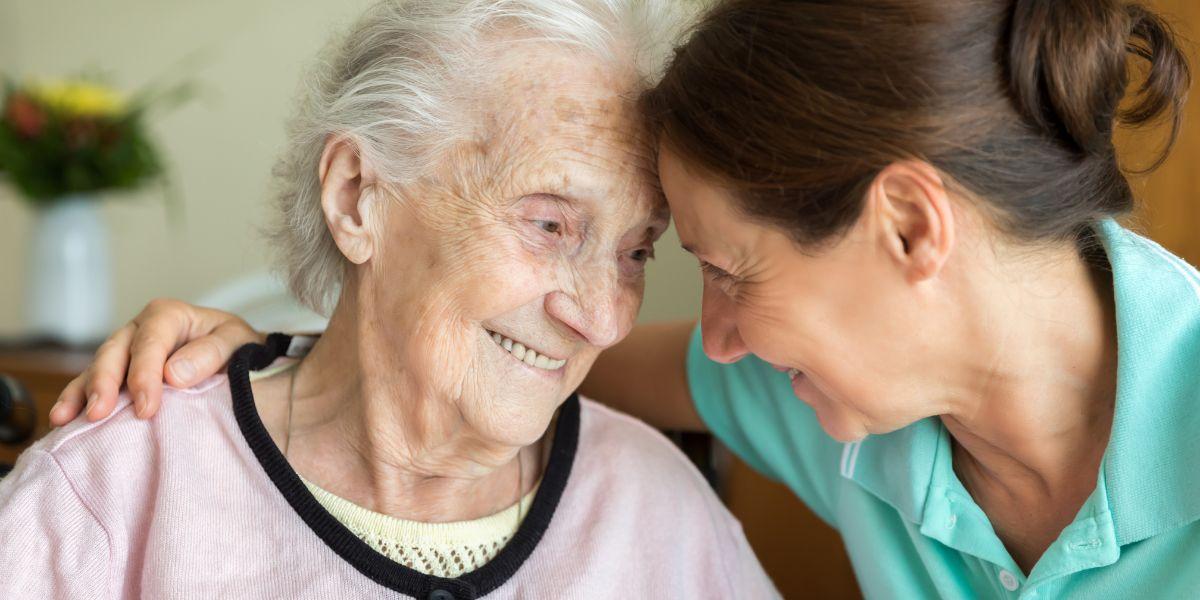
The landscape of dementia care is constantly evolving, with researchers seeking innovative approaches to not only manage symptoms but too to improve the quality of life for those living with the condition and reduce the burden on caregivers. A recent study conducted in the Stockholm area suggests that a combination of targeted exercise and nutritional supplementation – specifically, protein-enriched drinks – may offer a promising avenue for enhancing functional ability and potentially decreasing the need for intensive care among individuals with dementia. This research builds upon the growing understanding of the interplay between physical health, nutrition, and cognitive decline.
The study, involving 102 participants from eight care facilities in the Stockholm region, investigated the impact of a 12-week intervention program. Participants in the intervention group engaged in daily sit-to-stand exercises and consumed one to two protein-enriched nutritional drinks each day. Researchers meticulously tracked the level of assistance required by participants in performing essential daily activities, including personal hygiene, dressing, and mobility. The findings, while nuanced, offer a glimmer of hope for a more proactive and empowering approach to dementia care. The core of this research centers around the concept of maintaining and improving physical function as a means of preserving independence and reducing reliance on constant care.
The OPEN Study and its Findings
This latest analysis stems from the broader “OPEN” study, which has already yielded encouraging results regarding improvements in physical function, muscle mass, and nutritional status in individuals with dementia. Researchers at Karolinska Institutet, led by Anders Wimo, have been at the forefront of this investigation. The current study sought to determine whether these physical and nutritional gains translated into a tangible reduction in the level of care required by participants in their daily lives. The OPEN study’s initial focus on physical function and nutrition highlights the growing recognition that these factors are not merely secondary considerations in dementia care, but rather integral components of a holistic treatment approach.
Interestingly, when all participants were analyzed collectively, no significant differences were observed between the intervention and control groups. However, a more granular analysis, separating participants based on the type of care unit they resided in, revealed a compelling trend. Individuals living in dementia-specific units who participated in the exercise and nutrition program demonstrated improved functional abilities to a degree that lessened their need for assistance with daily tasks compared to those in the control group. This suggests that the benefits of the intervention may be particularly pronounced for individuals with a primary diagnosis of dementia.
“A possible explanation is that people in the dementia units had better physical prerequisites to improve their functional ability and therefore managed more tasks themselves after the intervention,” explains Anders Wimo, a researcher at Karolinska Institutet. This observation underscores the importance of tailoring interventions to the specific needs and capabilities of individuals with dementia, recognizing that a one-size-fits-all approach may not be optimal. The concept of “physical prerequisites” suggests that individuals who retain a certain baseline level of physical function may be more responsive to interventions aimed at improving mobility and independence.
The Role of Protein in Dementia Care
The inclusion of protein-enriched nutritional drinks in the intervention is noteworthy. Protein plays a crucial role in maintaining muscle mass, which naturally declines with age and is often accelerated in individuals with dementia. Sarcopenia, the age-related loss of muscle mass and strength, is increasingly recognized as a significant contributor to frailty and functional decline. Ensuring adequate protein intake can help mitigate sarcopenia and support overall physical health. According to the Stockholm City website, vård- och omsorgsboende (care and nursing homes) provide 24/7 service and assistance, highlighting the need for strategies to maintain independence within these settings. The study’s focus on nutritional supplementation reflects a broader trend towards recognizing the importance of personalized nutrition in dementia care.
Finding the Right Care Facility in Stockholm
For individuals and families navigating the complexities of dementia care in Stockholm, finding the appropriate care facility is a critical step. Stockholm offers a range of vård- och omsorgsboende (care and nursing homes), as detailed on the Stockholm City website. These facilities provide round-the-clock care and support, tailored to the individual needs of residents. Stockholms Sjukhem, an ideologically-driven foundation, operates several elder care facilities in the Stockholm region, including locations in Kungsholmen, Bromma, Upplands Väsby, Nacka, and Täby. Their website details several recently opened facilities, such as Mosaiken in Bromma and Poesin in Nacka, which offer specialized care and modern amenities. Ersta diakoni also provides elder care services in the Stockholm area and Uppsala, with contact information available on their website. Their contact page offers a comprehensive list of their facilities and contact details.
The choice of care facility should consider factors such as the level of care required, the availability of specialized dementia care units, the facility’s environment and amenities, and its location. Facilities like Näsby Slottspark in Täby offer a more tranquil setting with a focus on well-being, while others, such as Graninge Strand in Saltsjö-Boo, provide unique features like parlägenheter (couple apartments) for partners who wish to live together. Vallgossen on Kungsholmen specializes in dementia care for younger individuals with early-onset dementia or acquired brain injury, and Nyckelharpan in Upplands Väsby boasts a vibrant community with a rooftop terrace and dance floor.
Implications for Future Dementia Care
The findings of this study have essential implications for the future of dementia care. While the results are preliminary and require further investigation, they suggest that a proactive approach combining exercise and nutritional support can potentially improve functional outcomes and reduce the need for intensive care. This could translate into significant benefits for both individuals with dementia and their caregivers, enhancing quality of life and reducing the strain on healthcare systems.
Further research is needed to determine the optimal dosage and duration of exercise and nutritional supplementation, as well as to identify the specific subgroups of individuals with dementia who are most likely to benefit from this type of intervention. It is also important to explore the cost-effectiveness of this approach and to develop strategies for implementing it on a wider scale. The study highlights the need for a shift in focus from solely managing symptoms to actively promoting physical and cognitive well-being in individuals with dementia.
The Swedish model of care, with its emphasis on person-centered care and integrated healthcare services, provides a valuable framework for implementing these types of interventions. The availability of high-quality care facilities, such as those operated by Stockholms Sjukhem and Ersta diakoni, is essential for providing individuals with dementia with the support they need to live fulfilling lives. Continued investment in research and innovation is crucial for developing even more effective strategies for preventing and managing dementia in the years to come.
As the global population ages, the prevalence of dementia is expected to continue to rise. Finding effective and sustainable solutions for providing high-quality care to individuals with dementia is therefore a pressing public health priority. The findings of this study offer a promising step forward in that direction, demonstrating the potential of a simple yet powerful combination of exercise and nutrition to improve the lives of those affected by this devastating condition.
The next step in this research will likely involve larger-scale clinical trials to confirm these findings and to explore the long-term effects of the intervention. Researchers will also be investigating the underlying mechanisms by which exercise and nutrition impact cognitive function and disease progression. Stay tuned for further updates as this important area of research continues to evolve.
Do you have experience with dementia care? Share your thoughts and insights in the comments below. And please share this article with anyone who might find it helpful.
Related reading