Can Playing Tetris Reduce Traumatic Memories? New Study Reveals Surprising Results

In the complex landscape of psychiatric intervention, the most effective tools are often the ones least expected. While traditional psychotherapy focuses on verbal processing and emotional regulation, a burgeoning field of research is looking toward the cognitive mechanics of the brain—specifically, how visual information is processed and stored. Recent findings from a collaborative study between … Read more

Common Painkiller Could Reduce Cancer Risk by 50%

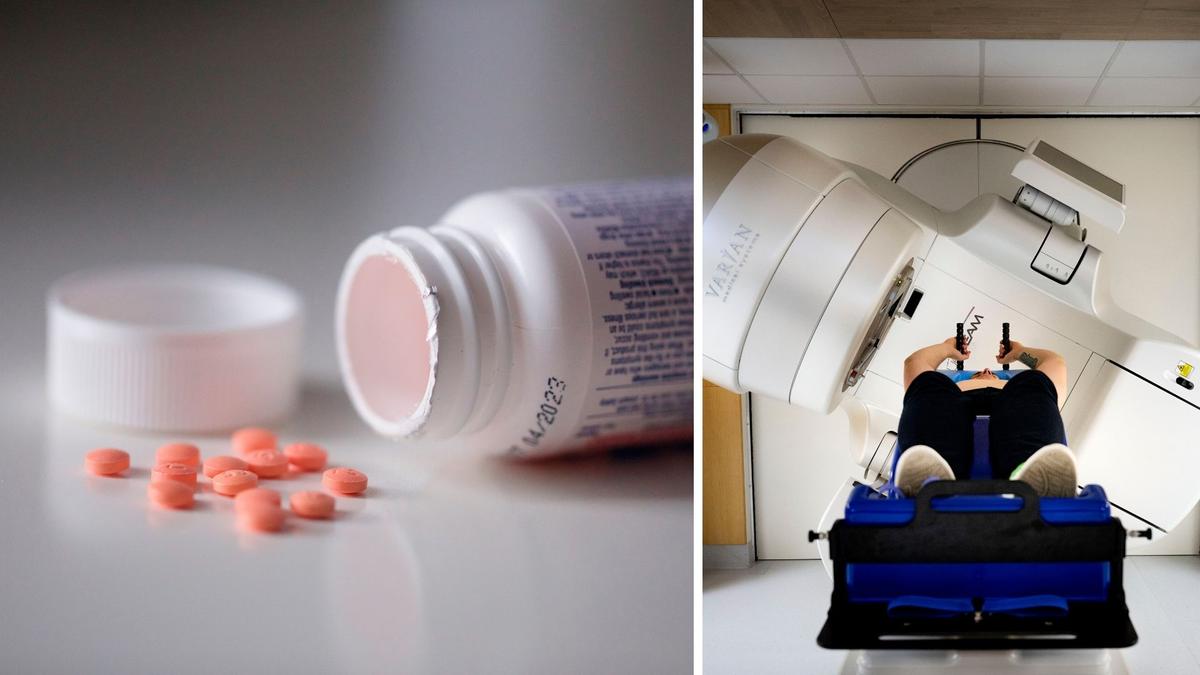
A common, low-cost medication found in many home medicine cabinets may significantly reduce the risk of cancer returning for a specific group of patients. New findings from a large-scale Scandinavian clinical trial indicate that low-dose aspirin can halve the rate of recurrence in patients with colorectal cancer who possess specific genetic mutations. The results, stemming … Read more

Shingles Vaccine Study: Could It Reduce Dementia & Brain Disease Risk? – Finland Launches Major Trial

Could a Shingles Vaccine Offer Protection Against Dementia, Parkinson’s, and ALS? Novel Finnish Study Investigates The potential link between viral infections and neurodegenerative diseases is gaining increasing attention from researchers worldwide. Now, a large-scale Finnish study, Findementia, is poised to investigate whether the shingles vaccine, specifically the Shingrix vaccine, could offer a protective effect not … Read more

Can Our Brains Grow New Neurons? Latest Research & What It Means for Alzheimer’s & Aging

The human brain, long considered a static organ after early development, is now understood to possess a remarkable capacity for change – a concept known as neuroplasticity. But can it actually *grow* new brain cells throughout life? For decades, this question has been debated within the scientific community. Recent research, utilizing cutting-edge techniques like gene … Read more

10-Minute Walk Daily Halves Risk of Falls & Fractures in Seniors – New Study

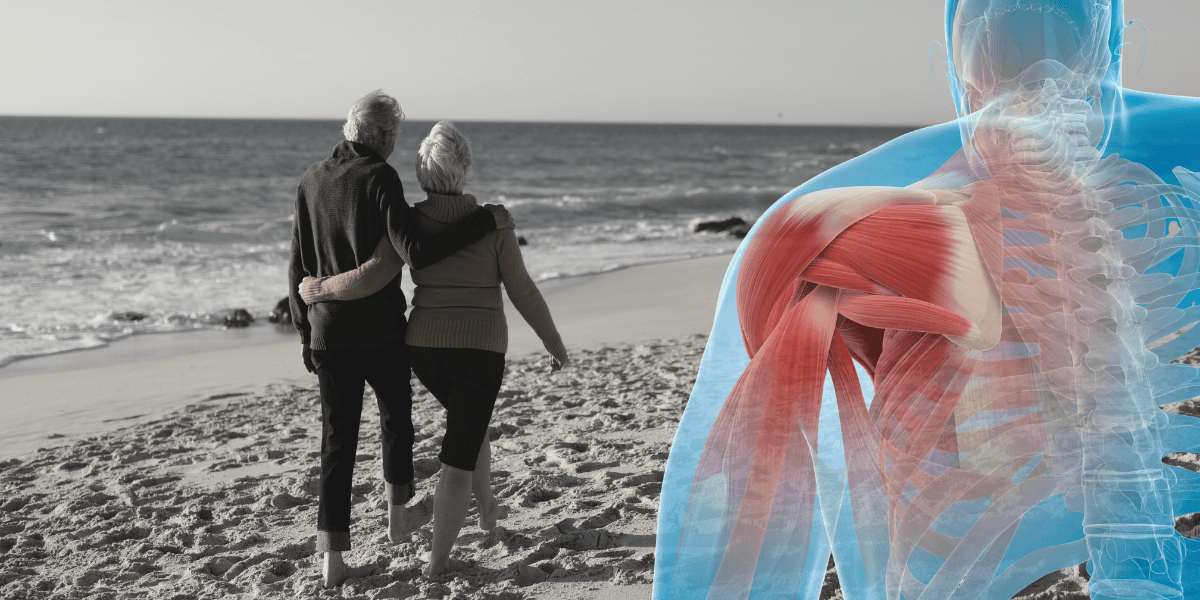
The conventional wisdom around preventing age-related decline often centers on rigorous exercise regimens. But what if a surprisingly accessible activity – a brisk walk – could significantly reduce the risk of a debilitating condition affecting millions of older adults? Fresh research from Örebro University in Sweden suggests that even moderate physical activity, well below currently … Read more

Fitness Matters More Than Alcohol: Study on Early Death Risk

The question of what most impacts our longevity – physical activity or alcohol consumption – has been a subject of ongoing debate. Now, a comprehensive study from the Norwegian University of Science and Technology (NTNU) offers a compelling answer: fitness levels appear to be the more significant factor. The research, which followed nearly 25,000 healthy … Read more

Exercise & Nutrition May Reduce Care Needs in Dementia Patients

The landscape of dementia care is constantly evolving, with researchers seeking innovative approaches to not only manage symptoms but too to improve the quality of life for those living with the condition and reduce the burden on caregivers. A recent study conducted in the Stockholm area suggests that a combination of targeted exercise and nutritional … Read more

ADHD in Girls: Rising Diagnoses & New Research Focus

The number of ADHD diagnoses has been steadily rising in recent years, particularly among girls and women. This increase, coupled with a historical lack of research focused specifically on the female experience of ADHD, is prompting a renewed push for dedicated studies and improved understanding. While awareness is growing, significant gaps remain in our knowledge … Read more