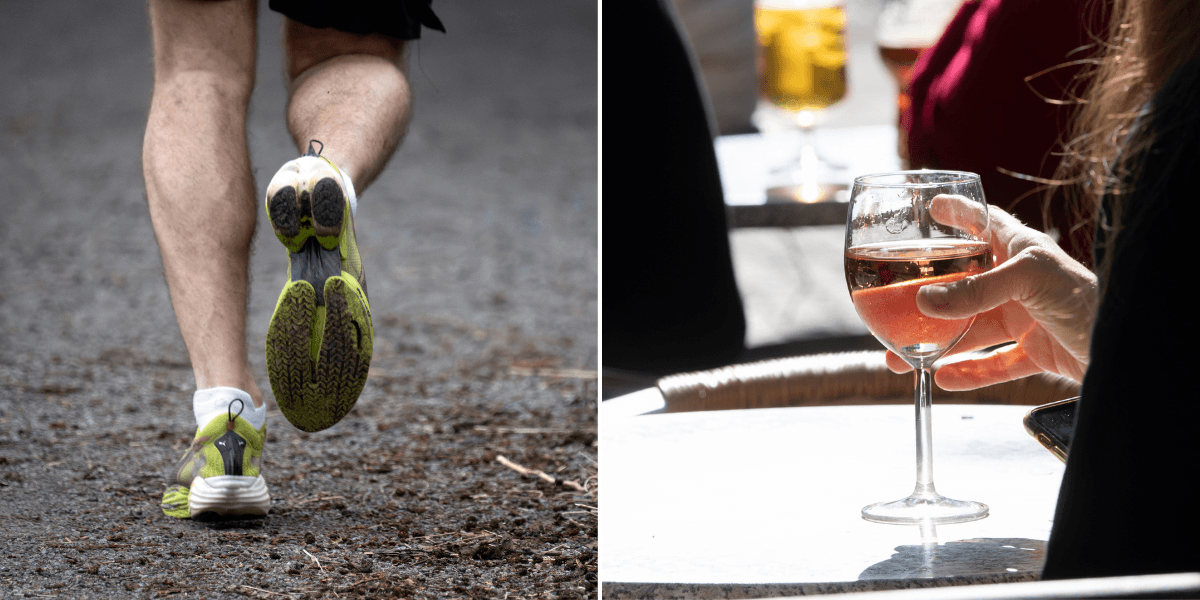
The question of what most impacts our longevity – physical activity or alcohol consumption – has been a subject of ongoing debate. Now, a comprehensive study from the Norwegian University of Science and Technology (NTNU) offers a compelling answer: fitness levels appear to be the more significant factor. The research, which followed nearly 25,000 healthy Norwegian adults for over 16 years, provides valuable insights into the interplay between exercise, alcohol intake and overall mortality risk.
Understanding the relative impact of lifestyle choices on health is crucial for public health initiatives and individual well-being. Even as moderate alcohol consumption has sometimes been linked to certain health benefits, this novel research suggests that prioritizing physical fitness yields a more substantial return in terms of reducing the risk of premature death. This isn’t to say alcohol is without risk, but rather that the benefits of being physically active appear to outweigh those risks, and certainly outweigh the risks associated with a sedentary lifestyle.
The NTNU study meticulously tracked participants’ fitness levels in relation to age and gender, then correlated this data with mortality rates and alcohol consumption patterns. The findings reveal a stark contrast: individuals with the lowest levels of fitness faced a significantly higher risk of early death, regardless of their alcohol intake. Conversely, those with normal or good fitness levels exhibited low mortality risk, even if they consumed small to moderate amounts of alcohol. This suggests that maintaining a reasonable level of physical activity can mitigate some of the potential harms associated with alcohol consumption, and more importantly, offers a substantial protective effect on its own.
The Power of Fitness: A Stronger Protective Factor
The most striking finding of the study, published in ResearchGate, was the disproportionately high risk faced by those in the bottom 20% of fitness levels. This risk remained elevated irrespective of alcohol consumption, highlighting the independent and powerful influence of physical activity on longevity. The study, part of the larger HUNT study in Norway, underscores the importance of prioritizing cardiovascular health and overall physical conditioning.
The HUNT study (Helseundersøkelsen i Trøndelag), initiated in 1984, is one of the largest health studies ever undertaken, and has been instrumental in providing valuable data on the health and well-being of the Norwegian population. According to the Norwegian University of Science and Technology, the HUNT study continues to provide crucial insights into a wide range of health-related topics. The current research builds upon this extensive dataset, offering a nuanced understanding of the relationship between fitness, alcohol, and mortality.
The Role of Moderate Alcohol Consumption
While the study emphasizes the primacy of fitness, it doesn’t entirely dismiss the potential for moderate alcohol consumption to be compatible with a healthy lifestyle. Professor Ulrik Wisloff, a lead researcher on the study, clarified that for individuals already engaging in moderate drinking and maintaining a good level of physical fitness, the measurable risk of mortality remains low. As he stated to VG, “At the same time, population studies, including the HUNT study, show that for people who already drink small to moderate amounts of alcohol and maintain normal or good physical shape, the measurable risk of mortality is low.”
This finding aligns with some existing research suggesting that light to moderate alcohol consumption – generally defined as up to one drink per day for women and up to two drinks per day for men – may be associated with certain cardiovascular benefits. However, it’s crucial to note that these potential benefits are often debated and are not universally accepted. The American Heart Association, for example, does not recommend that individuals start drinking alcohol solely to improve their cardiovascular health. The risks associated with alcohol consumption, including liver disease, certain cancers, and addiction, often outweigh any potential benefits.
Implications for Public Health and Individual Choices
The findings from NTNU have significant implications for public health messaging and individual lifestyle choices. The study reinforces the importance of promoting physical activity as a cornerstone of a healthy lifestyle. This message is particularly relevant in an era marked by increasing rates of sedentary behavior and obesity. Encouraging individuals to prioritize regular exercise, regardless of their alcohol consumption habits, could have a substantial impact on reducing the burden of chronic diseases and improving overall population health.
The study also highlights the importance of considering individual risk factors. While fitness appears to be a powerful protective factor, individuals with pre-existing health conditions or a family history of certain diseases may need to be more cautious about their alcohol consumption. Personalized health advice, tailored to individual circumstances, is essential for making informed decisions about lifestyle choices.
The Norwegian University of Science and Technology, with approximately 40,000 students, is a leading research institution in Norway, specializing in technology and the natural sciences. NTNU’s commitment to cutting-edge research continues to advance our understanding of health and well-being. The university’s regional campuses in Trondheim, Gjøvik, and Ålesund contribute to its diverse research portfolio and its impact on the Norwegian community.
What Kind of Exercise is Best?
While the NTNU study didn’t specify the *type* of exercise that provides the greatest benefit, experts generally recommend a combination of aerobic exercise (such as running, swimming, or cycling) and strength training. Aerobic exercise improves cardiovascular health, while strength training builds muscle mass and improves metabolism. The World Health Organization recommends at least 150 minutes of moderate-intensity aerobic exercise or 75 minutes of vigorous-intensity aerobic exercise per week, along with strength training exercises at least twice a week.
It’s important to start slowly and gradually increase the intensity and duration of exercise. Consulting with a healthcare professional before starting a new exercise program is always advisable, especially for individuals with pre-existing health conditions. Finding activities that you enjoy is also crucial for maintaining long-term adherence to an exercise routine.
the message from the NTNU study is clear: prioritizing physical fitness is a powerful investment in your health and longevity. While moderate alcohol consumption may not necessarily negate the benefits of exercise, it’s the commitment to an active lifestyle that truly makes a difference. The study serves as a compelling reminder that taking care of your body is one of the most important things you can do to live a longer, healthier life.
Further research is planned to investigate the specific mechanisms by which fitness protects against mortality, and to explore the potential for personalized exercise prescriptions based on individual risk factors. The HUNT study continues to collect data, providing a valuable resource for ongoing research into the determinants of health and well-being.
Key Takeaways:
- Fitness levels are a stronger predictor of longevity than alcohol consumption.
- Individuals with low fitness levels face a significantly higher risk of premature death, regardless of their alcohol intake.
- Moderate alcohol consumption may be compatible with a healthy lifestyle for those who are already physically active.
- Prioritizing regular exercise is crucial for reducing the risk of chronic diseases and improving overall health.
This research provides valuable insights into the complex relationship between lifestyle factors and health outcomes. Stay tuned to World Today Journal for further updates on this evolving field of study. We encourage you to share this article with your friends and family and to discuss these findings with your healthcare provider.
Worth a look
- RSV Outbreak in Panama: 13 Child Deaths Prompt Urgent Calls for Monoclonal Antibody Rollout
- France Pierron : sa violente sortie sur l’accouchement choque la Toile
- The Death of the Polished Instagram Feed: The Rise of Casual Content (newsdirectory3.com)
- Phil Collins Opens Up About Near-Death Alcohol Struggle and Personal Life Challenges (world-today-news.com)