
In the complex landscape of psychiatric intervention, the most effective tools are often the ones least expected. While traditional psychotherapy focuses on verbal processing and emotional regulation, a burgeoning field of research is looking toward the cognitive mechanics of the brain—specifically, how visual information is processed and stored. Recent findings from a collaborative study between Uppsala University and the University of Cambridge suggest that a classic video game might offer a surprisingly potent defense against one of the most debilitating symptoms of post-traumatic stress disorder (PTSD): intrusive flashbacks.
The study, which investigated the impact of digital interventions on traumatic memory, indicates that engaging in high-intensity visual tasks, such as playing Tetris, can significantly disrupt the consolidation of distressing mental imagery. For those suffering from the persistent, unwanted “replays” of traumatic events, this research offers a glimmer of hope for a non-verbal, accessible form of cognitive support.
By targeting the way the brain manages visual resources, researchers are exploring a method to “crowd out” traumatic memories before they become deeply ingrained. This approach does not aim to erase the memory itself, but rather to mitigate the frequency and intensity of the intrusive visual fragments that characterize the PTSD experience.
The Science of Visual Interference
To understand why a game like Tetris could be effective, one must look at the mechanics of memory consolidation. When a person experiences a traumatic event, the brain begins the process of encoding that experience. This involves the amygdala, which processes emotional significance and the hippocampus, which assists in spatial and temporal context. In many cases of PTSD, these memories become “fragmented,” manifesting as vivid, intrusive visual flashbacks that occur without warning.
The theory of visual interference suggests that the brain has a finite capacity for processing complex visual information at any given moment. By engaging in tasks that require intense visual-spatial attention—such as rotating shapes, tracking movement, and planning spatial arrangements—the brain’s resources are diverted. This cognitive load can interfere with the brain’s ability to consolidate the traumatic visual imagery into stable, intrusive long-term memories.
In the recent study, researchers utilized a digital treatment program that combined Tetris with specialized mental rotation exercises. These exercises require participants to mentally manipulate various shapes, training the brain to visualize how objects turn and shift in three-dimensional space. This type of cognitive training serves as a “mental muscle,” strengthening the brain’s ability to manage visual processing and potentially blurring the edges of traumatic imagery.
Study Results: A Significant Reduction in Flashbacks
The study focused on a specific and highly vulnerable demographic: approximately 100 healthcare professionals who had experienced traumatic events during their work. This group is often at high risk for secondary traumatic stress and PTSD due to the nature of their frontline duties.

The results of the digital intervention were striking. Before beginning the program, participants reported an average of approximately ten flashbacks per week. Following the completion of the digital treatment, that number plummeted to fewer than one flashback per week. This represents a profound shift in the daily quality of life for those managing the symptoms of trauma.
Crucially, the efficacy of this intervention appears to be durable. According to the researchers, the reduction in flashback frequency was maintained for at least six months following the treatment. This suggests that the cognitive shifts induced by the digital program may lead to lasting changes in how the brain processes and manages traumatic visual stimuli.
Key Takeaways from the Uppsala-Cambridge Study
- Target Population: Approximately 100 healthcare workers experiencing work-related trauma.
- Intervention Method: A digital program featuring Tetris and mental rotation cognitive exercises.
- Primary Outcome: A reduction in weekly flashbacks from an average of ten to fewer than one.
- Long-term Efficacy: Benefits were observed to persist for a minimum of six months.
- Core Mechanism: Using visual-spatial tasks to compete with and disrupt intrusive traumatic imagery.
Expert Perspectives on Cognitive Competition
Emily Holmes, a professor at the Department of Women’s and Children’s Health, has been a prominent voice in this area of research. The core philosophy behind this intervention is not to force patients to relive or “talk through” their trauma—a process that can sometimes be re-traumatizing—but to use cognitive competition to manage the symptoms.
The goal is to “compete out” the intrusive images. By providing the brain with a high-demand visual task, the intrusive memories are deprived of the cognitive “space” they need to take hold. This method offers a unique alternative to traditional talk therapies, providing a way to manage the most distressing aspects of PTSD through active, visual-spatial engagement rather than purely emotional processing.
The Rise of Digital Therapeutics (DTx)
This research sits at the intersection of psychiatry and digital therapeutics (DTx). As healthcare systems worldwide face increasing pressure to provide mental health support, the development of scalable, technology-based interventions is becoming a priority. Digital programs that can be administered remotely, which are low-cost, and which require minimal clinical supervision represent a significant frontier in public health.
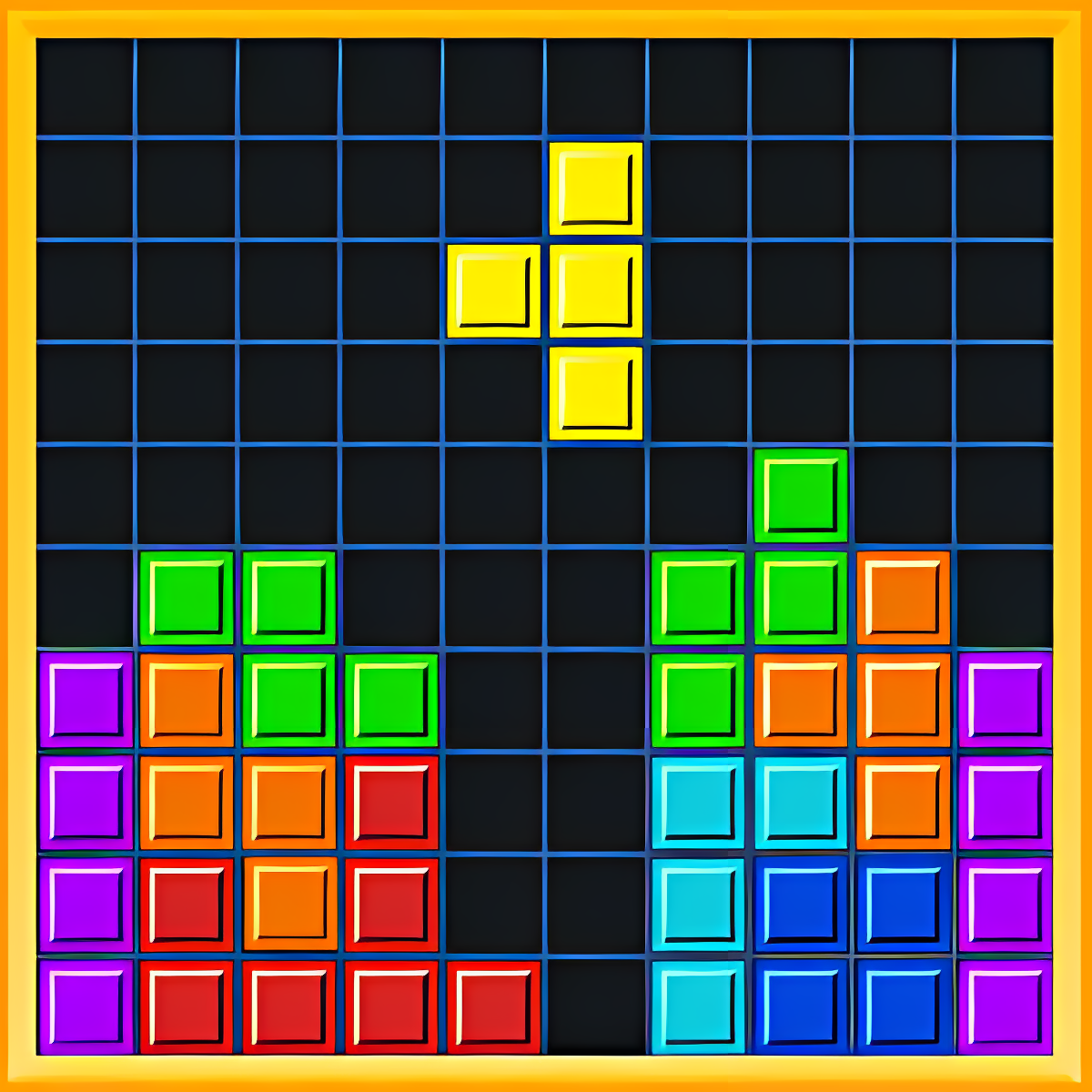
While Tetris is a well-known consumer product, its application here is highly structured. The transition from “casual gaming” to “clinical intervention” requires precise timing, specific task difficulty, and rigorous validation through studies like the one conducted by Uppsala and Cambridge. The success of this study provides a strong foundation for further exploring how other types of cognitive training might be tailored to treat various manifestations of mental health disorders.
Clinical Implications and Future Directions
For healthcare professionals and PTSD patients, these findings suggest that the tools for managing symptoms may be more accessible than previously thought. However, experts caution that digital interventions should be viewed as a component of a broader, holistic approach to mental health care, rather than a standalone cure.
The next steps for this research will likely involve larger-scale clinical trials to determine if these results can be replicated across more diverse populations and to identify the optimal “dosage” of visual-spatial tasks required for maximum efficacy. Researchers will also look to see if these digital tools can be integrated into standard clinical protocols for frontline workers experiencing acute stress.
As we continue to decode the relationship between cognitive load and memory consolidation, the line between entertainment and medicine continues to blur, offering new pathways for healing in the digital age.
The researchers involved in this study are expected to present further longitudinal data in upcoming clinical psychology forums.
What are your thoughts on the use of digital tools in mental health treatment? We invite you to share your insights and join the conversation in the comments below.
Keep reading