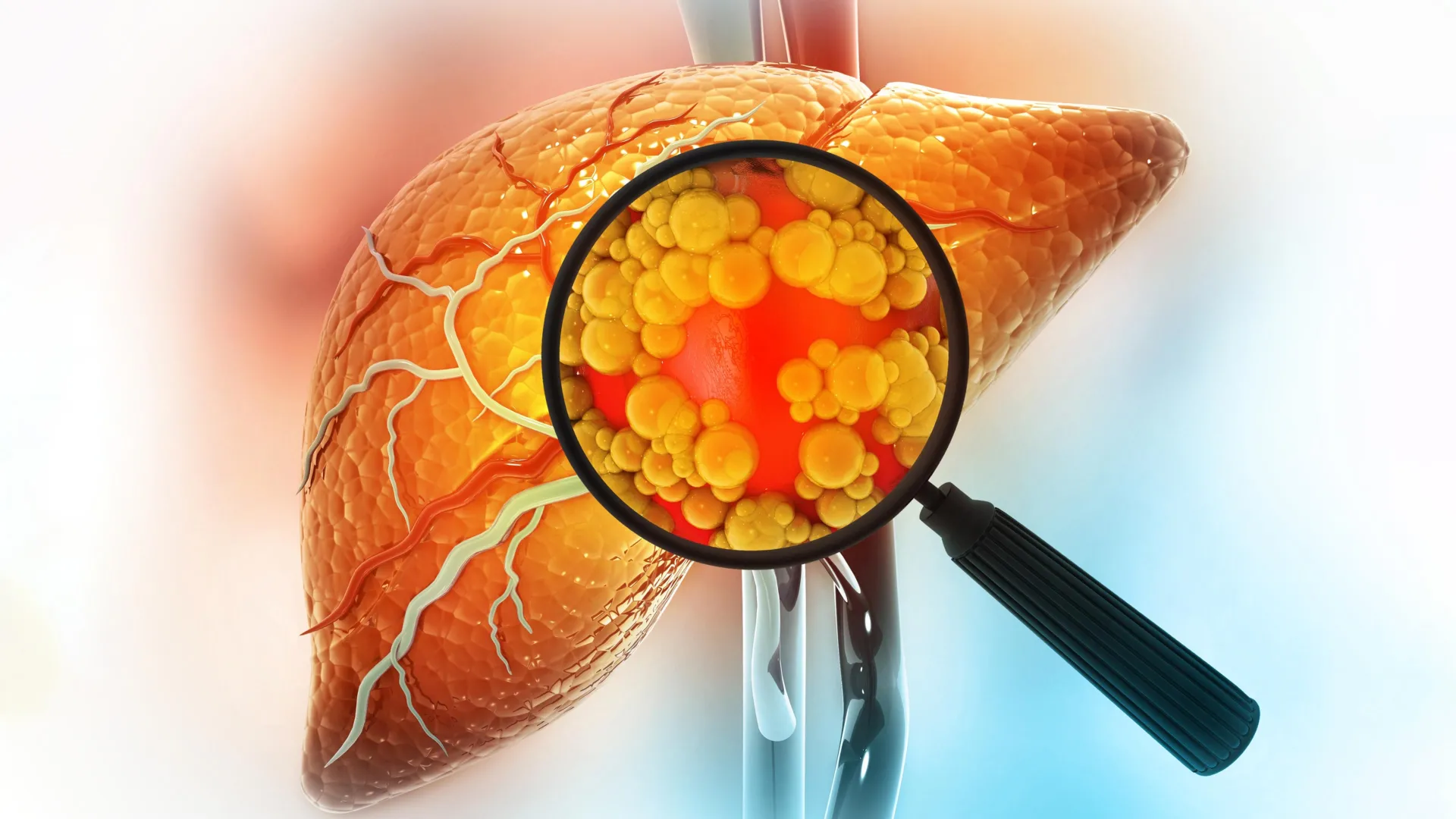
Researchers studying the complex relationship between digestive health and liver function have identified an experimental compound, DT-109, that shows potential in reversing severe fatty liver disease in animal models. By targeting the gut-liver axis, the treatment appears to prevent toxic substances from migrating from the intestines to the liver, a process often implicated in the progression of metabolic dysfunction-associated steatohepatitis (MASH).
The Gut-Liver Axis and Metabolic Disease
Recent investigations into DT-109 suggest that the compound works by strengthening the intestinal barrier, effectively stopping the translocation of these harmful metabolites.
Experimental Findings in Preclinical Models
In studies involving animal models, researchers observed that the administration of DT-109 resulted in a significant reduction of hepatic fat accumulation. The data indicated that the drug not only prevented further damage but also promoted the reversal of existing, severe fatty liver pathology.
While these results are promising, it is critical to note that the efficacy and safety of DT-109 have not yet been established in human clinical trials.
Future Directions for MASH Treatments
If future human trials confirm that repairing the intestinal lining can effectively manage or reverse liver disease, it could provide a new therapeutic category for patients who currently have limited treatment options. Beyond MASH, this mechanism of action could theoretically have implications for other chronic conditions characterized by systemic inflammation and gut dysbiosis.
What Comes Next in Clinical Research
Medical developments in the field of gastroenterology and hepatology are moving rapidly. We encourage our readers to share their thoughts on this emerging area of research in the comments section below.