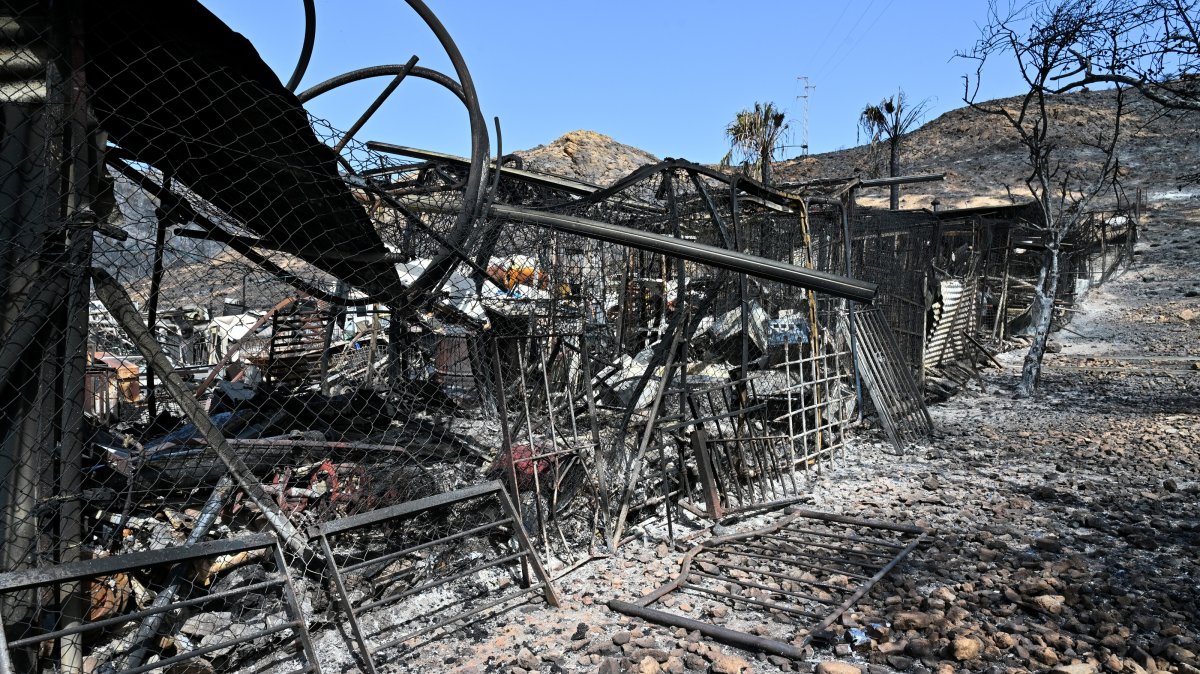
Emergency crews in Spain are working to contain a series of devastating wildfires that have resulted in at least 12 confirmed fatalities. The blazes, which have swept through vulnerable regions, have prompted a massive mobilization of firefighters, helicopters, and fixed-wing aircraft as authorities struggle to protect residential areas and critical infrastructure. The situation remains fluid as high temperatures and volatile wind conditions continue to complicate containment efforts, according to reports from the Spanish interior ministry.
Scale of the Emergency Response
The scale of the disaster has required an unprecedented level of coordination between local, regional, and national emergency services. Hundreds of specialized firefighters have been deployed to the front lines, supported by a fleet of aerial assets tasked with dumping water on inaccessible terrain. According to the Spanish Ministry for the Ecological Transition, the deployment includes both specialized ground crews and heavy-lift aircraft capable of operating in high-altitude conditions. These units are currently focusing on firebreaks to prevent the further spread of the flames toward populated municipalities.
Conditions Driving Rapid Fire Spread
The intensity of these wildfires is largely attributed to a combination of prolonged drought and unseasonable heatwaves that have left vegetation extremely dry across the Iberian Peninsula. Meteorological data analyzed by the State Meteorological Agency (AEMET) indicate that humidity levels have reached record lows, creating conditions where sparks can ignite and spread with extreme velocity. This environmental context has made the current fires some of the most challenging to manage in recent years, testing the limits of Spain’s disaster management protocols.
Impact on Local Communities
The human toll of the disaster has been severe, with at least 12 deaths reported by local civil protection agencies. Thousands of residents have been forced to evacuate their homes, with many seeking refuge in temporary shelters established by the Red Cross and municipal authorities. The government has prioritized the safety of displaced families, providing emergency medical aid and basic necessities. Officials have urged citizens to monitor official channels for real-time evacuation orders and safety guidance, noting that the priority remains the preservation of human life and the security of residential zones.
Official Oversight and Next Steps
The central government has pledged full support to the affected regions, with the Prime Minister’s office coordinating with regional leaders to ensure that resources are distributed effectively. Investigations into the origins of the fires are ongoing, though authorities have yet to issue a definitive statement regarding specific causes. The next official briefing is expected to be provided by the General Directorate of Civil Protection and Emergencies, which will update the public on containment percentages and the status of evacuation orders. As the situation develops, citizens are encouraged to follow local emergency alerts and refrain from travel in areas designated as high-risk zones.
This is a developing story. Please check back for updates as more information becomes available from official emergency management sources.