
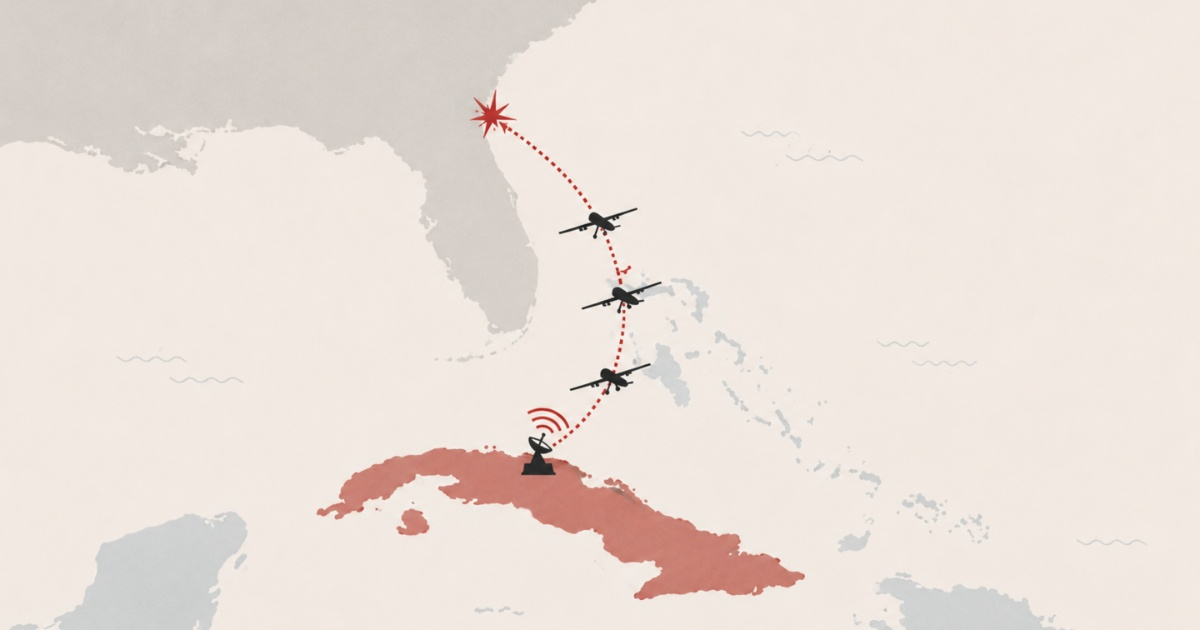
As geopolitical tensions in the Caribbean shift, new concerns have emerged regarding the potential for unconventional security threats originating from Cuba. Analysts are increasingly evaluating the implications of reports suggesting that the Cuban government has bolstered its aerial capabilities through the acquisition of advanced drone technology. These developments have prompted a broader discussion among regional security experts about the risks these systems could pose to U.S. National security interests.
The discourse surrounding this potential attack-drone threat remains a point of significant focus for military intelligence officials. While the primary focus of international observers is often on traditional naval or air assets, the integration of unmanned aerial systems (UAS) represents a strategic evolution in the region. Understanding the scope and nature of these capabilities is essential for assessing the stability of the Florida Straits and the surrounding maritime borders.
Evaluating the Regional Drone Threat
Intelligence assessments have highlighted that Cuba has significantly expanded its military inventory, reportedly incorporating hundreds of unmanned aerial vehicles from foreign suppliers. According to reports from Axios, U.S. Intelligence officials have identified the acquisition of more than 300 military drones by the Cuban government. This influx of technology, sourced from nations such as Russia and Iran, signals a departure from the island’s historical reliance on aging Soviet-era hardware.
For policymakers in Washington, the presence of these systems near the U.S. Coastline necessitates a recalibration of coastal defense strategies. The primary concern is not merely the existence of these drones, but their potential to conduct surveillance or offensive operations in scenarios where diplomatic or military tensions escalate. The U.S. Department of Defense continues to monitor these developments closely, emphasizing that such acquisitions complicate the security architecture of the Western Hemisphere.
Strategic Implications and National Security
The conversation regarding potential military actions—such as the hypothetical scenarios involving high-profile political figures—often serves to highlight the broader anxiety surrounding regional instability. Security analysts note that the capability to deploy drone swarms or precision-strike vehicles changes the calculus for any potential maritime interdiction or sovereignty-related disputes. When considering the proximity of Cuba to the United States, even limited drone capabilities can exert a disproportionate influence on tactical planning.
Beyond the hardware itself, the reliance on external partners for maintenance and technical support introduces a layer of complexity for U.S. Intelligence agencies. The ability of the Cuban military to effectively integrate these systems into a unified command-and-control structure remains a subject of ongoing analysis. As outlined by the Office of the Director of National Intelligence, the proliferation of UAS technology is a global challenge that requires consistent, multi-agency oversight to mitigate risks to domestic security.
Understanding the Current Security Environment
To better understand the current landscape, it is helpful to look at the factors driving these security concerns:
- Technological Proliferation: The shift toward unmanned aerial systems allows smaller states to project power in ways previously reserved for major military powers.
- Supply Chain Dependencies: Cuba’s reliance on international partners for drone technology creates new avenues for U.S. Sanctions and diplomatic pressure.
- Geographic Proximity: The 90-mile distance between Cuba and the U.S. Means that response times to any aerial incursion must be measured in minutes, not hours.
These factors combined create a environment where the threshold for military miscalculation is lowered. Analysts emphasize that while current reports focus on the acquisition of these systems, the operational readiness and the specific intent behind their deployment remain the most critical variables. The U.S. Department of State continues to advocate for regional transparency and adheres to a policy of maintaining robust defensive posture in the Caribbean basin.
Moving Forward: Monitoring and Defense
As the situation continues to evolve, the international community will be watching for signs of increased military activity or further acquisitions. The focus for the coming months will likely remain on intelligence gathering and the reinforcement of existing maritime and aerial surveillance networks. We find no scheduled public hearings on this specific topic at the current time, but the Senate Armed Services Committee is expected to maintain oversight of regional drone threats in upcoming budget and policy reviews.

The complexity of these threats underscores the importance of maintaining an informed public discourse. As we continue to track these developments, we encourage our readers to participate in the conversation below. What measures do you believe are most effective for addressing regional security concerns in the modern era? We look forward to your insights and contributions to this ongoing discussion.