
Managing the Peak: Why Experts Are Calling for Limits on Mount Everest Climbers
As the narrow climbing windows on Mount Everest continue to fluctuate due to unpredictable weather patterns, a growing chorus of mountaineering experts, environmentalists, and safety advocates is sounding the alarm. The issue is no longer just about the extreme altitude or the technical difficulty of the ascent. it is about the sheer volume of people attempting to navigate the world’s highest peak simultaneously.
The phenomenon of overcrowding on Mount Everest has transformed what was once a feat of individual human endurance into a high-stakes logistical challenge. Experts are increasingly urging the Nepal Department of Tourism and other governing bodies to implement strict limits on the number of climbing permits issued each season. The goal, they argue, is to mitigate life-threatening traffic jams, reduce the environmental footprint on the mountain, and ensure that the “Death Zone” does not become a site of avoidable tragedy.
The debate comes at a critical juncture for Himalayan mountaineering. While the commercialization of Everest has brought significant revenue to the Nepalese economy, the unintended consequences of unregulated growth are becoming impossible to ignore. From the physical dangers of oxygen depletion during long waits to the mounting crisis of high-altitude waste, the pressure on the mountain is reaching a breaking point.
The Perils of the “Death Zone” Bottleneck
The most immediate and visceral argument for limiting climber numbers centers on human safety. In mountaineering, the area above 8,000 meters is known as the “Death Zone.” At this altitude, the atmospheric pressure is so low that there is insufficient oxygen for humans to breathe indefinitely. The body begins to die, cell by cell, and climbers must rely heavily on supplemental oxygen to survive.
When overcrowding occurs, the primary danger is the formation of “traffic jams” at critical technical points, most notably near the Hillary Step. These bottlenecks can force climbers to stand still for hours, sometimes even days, while waiting for their turn to ascend. In the Death Zone, time is a luxury that no climber possesses. Every minute spent waiting in a queue is a minute where supplemental oxygen is being depleted and the body is being pushed closer to total physiological failure.
These delays are not merely inconvenient; they are often fatal. If a climber is caught in a bottleneck and their oxygen supply runs low, or if a sudden weather shift occurs while they are stuck in line, the window for a safe descent can vanish instantly. Experts point out that the predictability of the ascent is compromised when hundreds of climbers are vying for the same narrow path, creating a chaotic environment where individual decision-making is often overruled by the movement of the crowd.
the presence of large groups can lead to a “domino effect” of risk. A single exhausted or incapacitated climber in a bottleneck can halt the progress of everyone behind them, exponentially increasing the risk for the entire group. This collective vulnerability is a central pillar in the argument for a permit cap designed to maintain a manageable flow of movement across the mountain’s most dangerous sections.
Environmental Degradation and the Waste Management Crisis
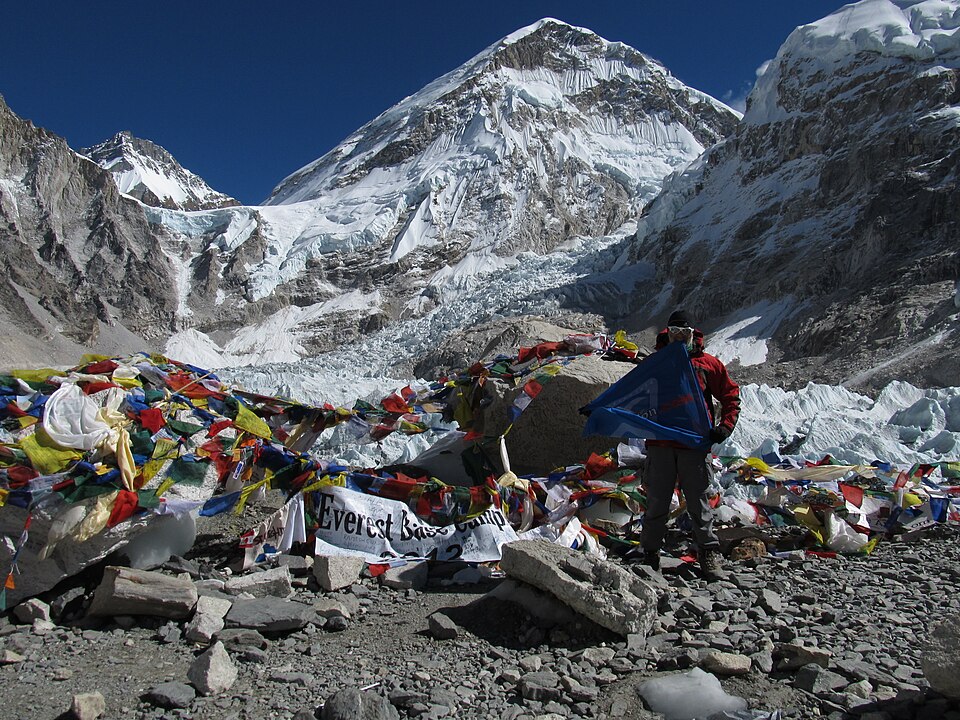
Beyond the immediate threat to human life, the environmental impact of increasing climber numbers is a mounting concern for the global mountaineering community. Mount Everest, while majestic, is an incredibly fragile ecosystem. The influx of thousands of climbers, supported by massive logistical operations, has left a significant physical footprint on the mountain.
The issue of high-altitude waste is perhaps the most visible sign of this degradation. For decades, discarded oxygen canisters, torn tents, empty food wrappers, and even human waste have accumulated on the slopes and in the glaciers. While recent efforts have been made to improve waste management—including requirements for climbers to bring down their own refuse—the sheer volume of people makes comprehensive cleanup an immense challenge.
Environmentalists warn that the accumulation of waste does more than just mar the aesthetic beauty of the peak; it poses long-term ecological risks. As glaciers melt due to rising global temperatures, much of the waste deposited decades ago is being released back into the water systems that feed downstream communities. The chemical composition of certain mountaineering gear and the biological impact of unmanaged waste present a complex set of challenges for the local environment and the people living in the shadow of the Himalayas.
Limiting the number of climbers is seen by many as the most effective way to reduce this “human load.” By capping the number of expeditions, authorities could theoretically implement more stringent, manageable waste protocols and ensure that the mountain’s natural state is preserved for future generations. This approach shifts the focus from maximizing short-term tourism revenue to ensuring the long-term sustainability of the Everest region.
The Economic Dilemma: Tourism vs. Regulation
The push for regulation faces its most significant hurdle in the form of economic interests. For Nepal, mountaineering is a vital component of the national economy. The fees paid for climbing permits, combined with the revenue generated by trekking, guiding, and local logistics, provide essential income for thousands of families and contribute significantly to the national treasury.
The Nepal Department of Tourism must strike a delicate balance between ensuring the safety and environmental integrity of Mount Everest and maintaining the economic vitality of the region. A sudden or drastic reduction in permit numbers could lead to economic hardship for Sherpas, mountain guides, and the local communities that depend on the climbing season. This tension is at the heart of the ongoing policy discussions in Kathmandu.
However, proponents of regulation argue that the current model is ultimately unsustainable. They suggest that rather than simply reducing the number of climbers, the government could implement a “value over volume” strategy. This could involve increasing the cost of permits to generate higher revenue from fewer, more high-end expeditions, while simultaneously using those funds to bolster safety infrastructure, search and rescue capabilities, and environmental cleanup initiatives.
By pivoting toward a more regulated and premium model, the Nepalese government could potentially achieve two goals at once: protecting the mountain and its climbers while maintaining or even enhancing the economic benefits of mountaineering. This transition, however, requires careful planning and international cooperation to ensure that the shift does not unfairly penalize smaller, local operators.
Looking Ahead: Potential Regulatory Pathways
As the international community continues to monitor the situation on Everest, several potential regulatory pathways are being discussed by policymakers and experts. While no single solution has been universally adopted, the consensus is shifting toward the necessity of some form of intervention.
- Quota Systems: Implementing a hard cap on the total number of climbing permits issued per season to prevent overcrowding in the Death Zone.
- Staggered Climbing Windows: Mandating specific time slots for different expeditions to reduce the density of climbers at technical bottlenecks like the Hillary Step.
- Enhanced Permit Fees: Using higher fees to fund mandatory environmental contributions and improved safety and rescue services.
- Mandatory Training and Certification: Requiring more rigorous proof of experience and training for individual climbers to ensure they are capable of navigating the mountain safely.
The implementation of these measures will likely require significant coordination between the Nepalese government, international expedition companies, and the climbers themselves. The goal is to move away from a model of unregulated growth and toward a structured, sustainable system of high-altitude mountaineering.
For now, the eyes of the mountaineering world remain on Kathmandu. The decisions made by the Nepal Department of Tourism in the coming seasons will set the precedent for how the world’s highest peak—and perhaps other high-altitude peaks—are managed in an era of increasing global interest and environmental vulnerability.
Key Takeaways
- Safety Risks: Overcrowding in the “Death Zone” creates life-threatening bottlenecks, increasing the risk of oxygen depletion and weather-related fatalities.
- Environmental Impact: The accumulation of waste and the degradation of the Himalayan ecosystem are major concerns driven by high climber volumes.
- Economic Tension: Nepal must balance the vital revenue from climbing permits with the need for safety-focused regulation.
- Proposed Solutions: Experts advocate for permit caps, staggered climbing windows, and higher fees to fund sustainability and safety.
The next significant checkpoint for these discussions will be the upcoming seasonal permit allocation period, where the Nepal Department of Tourism is expected to outline its regulatory framework for the next climbing cycle.
What are your thoughts on the future of Mount Everest? Should authorities prioritize economic growth or environmental and human safety? Share your views in the comments below and share this article with your mountaineering community.
Keep reading
- The Evolution of the Arizona Coat Since 1948
- Understanding the Rapture: Author Todd Hampson’s Guide to the Biblical Prophecy
- South Africa’s Public Investment Corporation Faces Governance Crisis Amid CEO Suspension (time.news)
- Has the Kessler Syndrome Already Started? Experts Are Split (daybreakwire.com)